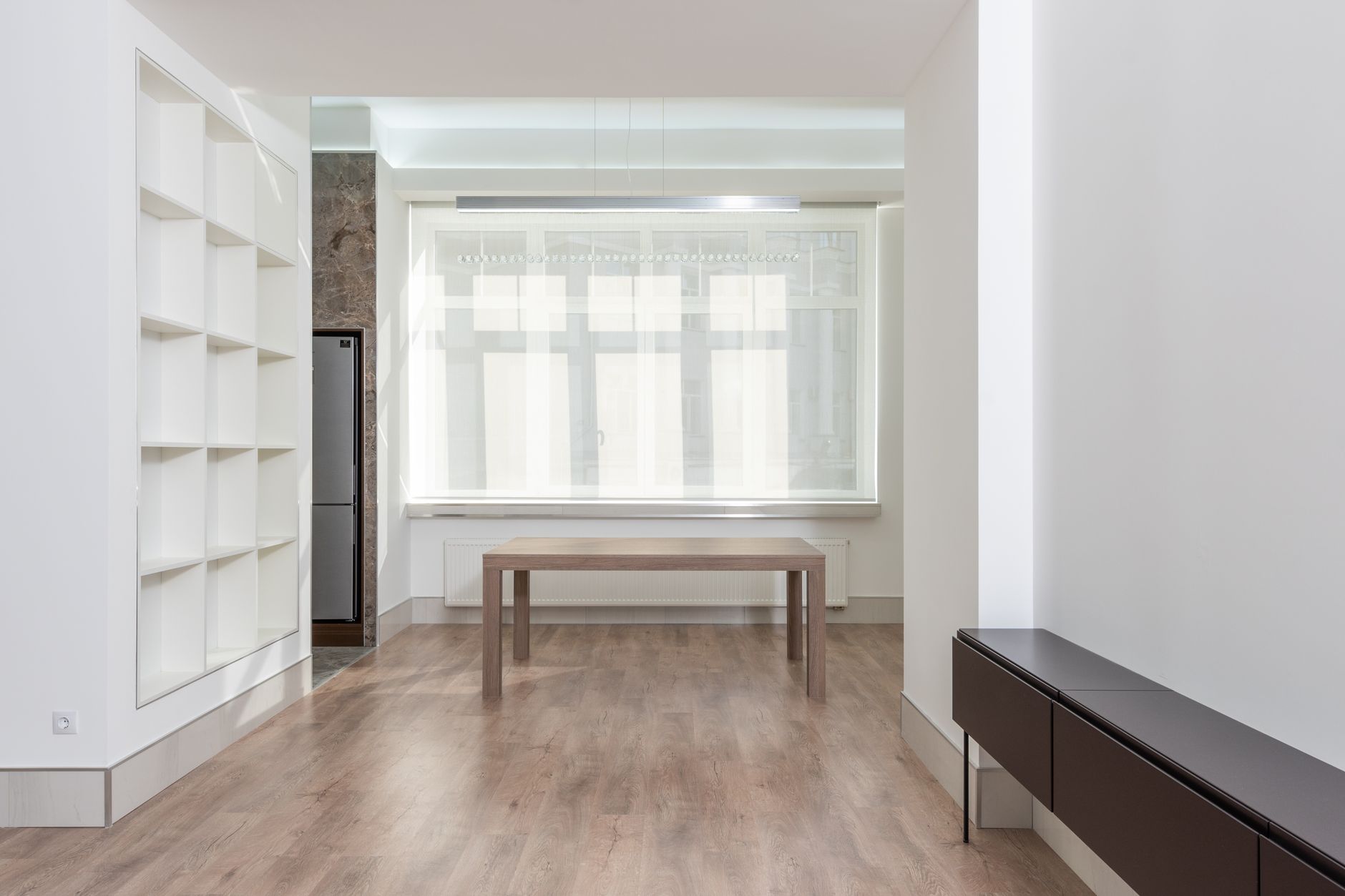
Feng shui and interior design often look at the same sofa, the same window, the same cluttered hallway. But they ask different questions about it. Interior design asks whether a room functions well and looks considered. Feng shui, depending on the school, asks whether the layout supports or blocks the flow of chi (qi), and whether the room sits correctly within a symbolic map of the house or the site. The two frameworks can agree on a solution by coincidence. They do not share a method.
What does interior design actually evaluate?
Interior design evaluates a room on comfort, function, and visual coherence. A designer asks whether traffic moves easily between the door and the seating area, whether there is enough storage, whether the lighting suits the task, and whether materials and colors work together. These judgments are tied to how the room is used day to day. They rest on ergonomics, acoustics, and light — things that can be measured.
The U.S. Environmental Protection Agency notes that people in industrialized countries spend about 90 percent of their time indoors, which is part of why ventilation and daylight get so much attention in design guidance. See more on light and air for how that plays out room by room.
What does feng shui actually evaluate?
Feng shui evaluates a room against a symbolic structure that sits outside visual preference. In Compass School (Liqi) practice, this includes the compass direction a building faces and the dates associated with its construction. In Form School (Xingshi) practice, it includes the shape of the land, the direction of slopes, and the position of doors relative to the street. The Western Black Sect (BTB) adaptation, common in English-language books, maps an eight-sided bagua onto the floor plan starting from the front door — a method classical Compass School does not use. The feng shui basics hub covers how these schools differ in more detail.
Where do feng shui and interior design actually disagree?
The vocabulary gap is the easy part to describe. The harder, more useful comparison is where the two frameworks produce different recommendations for the identical room. The table below sets out six points of real divergence.
| Criterion | Interior design | Feng shui |
|---|---|---|
| What is evaluated | Function, comfort, proportion, light, material | Position within a bagua or compass reading; shape of land and site history |
| Time horizon | Current use of the room, adjustable as needs change | Often tied to the date a building was constructed or occupied (Compass School); some readings are treated as fixed to the structure |
| Who or what is centered | The people who use the room and their daily habits | The household’s stated fortune categories (wealth, health, relationships) in BTB practice; the site’s form in Form School |
| Fixability of a problem | Nearly anything can be redesigned, rebuilt, or replaced | Some layout issues are called structural and not fully correctable by furniture alone; see which layout problems are fixable |
| Role of the building’s history | Mostly irrelevant beyond maintenance records | Can matter directly — see how the tradition treats a home’s previous occupants |
| When the two disagree on the same room | Recommends what works for the people using it now | May call for a correction regardless of current comfort, such as reorienting a desk away from a door even if that reduces natural light |
That last row is the one readers run into most. A bright window seat might be the obvious design choice. Feng shui might flag the same spot because it sits behind the room’s main door, outside the commanding position described in the tradition. Neither claim is wrong on its own terms. They are answering different questions.


Why does a building’s history matter to one and not the other?
Interior design treats a house as a blank structure to be arranged for present use. Feng shui, in several of its branches, does not. Compass School calculations are often tied to the construction date of a building. Classical discussions of yin and yang houses treat the function and history of a structure as part of the reading, not separate from it — the difference between yin and yang houses explains this split. A design consultant has no equivalent concept; a 1920s kitchen and a 2020s kitchen are judged by the same functional standards.
What happens when the two give opposing advice?
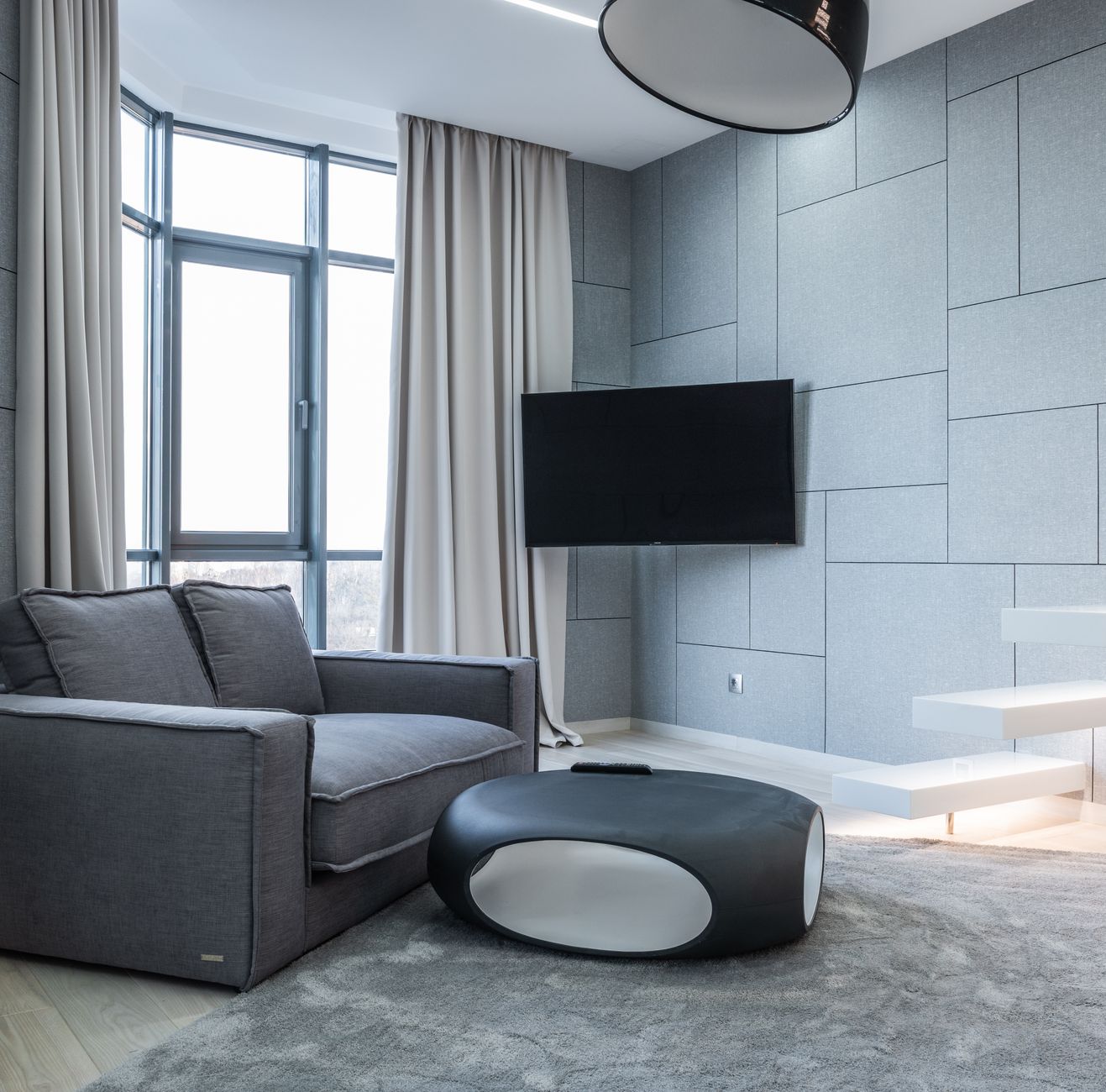
Most readers will meet a conflict eventually. A sofa with its back to the window suits a small living room’s traffic flow. A classical Form School reading might prefer a solid wall behind seating instead, for the commanding position it is said to provide. Building codes offer a useful contrast here: many require a clear hallway width of at least 36 inches for safe passage, a fixed, checkable figure. Feng shui’s layout preferences are not building codes. They are a separate framework the household can choose to follow, partly follow, or set aside. Nothing here is a safety rule, and nothing overrides an actual fire exit, a smoke detector, or a lease restriction a renter needs to check first.
Is one framework more correct than the other?
They answer different questions, so “more correct” does not quite apply. Interior design can be tested against function: does the room work, is it comfortable, is it well lit. Feng shui’s claims about chi and fortune are not testable in that way, and this site does not present them as proven. What can be checked is which school says what, and whether a given rule has an ordinary design reason behind it or stands on tradition alone. Readers weighing specific advice against the clutter of generic online guidance may find what to ignore in most online feng shui advice useful, along with why feng shui consultants disagree with each other — disagreement between schools is normal, not a sign that someone is doing it wrong.
For a grounding in the written tradition itself, including the texts that shaped these schools, see what classical texts form the basis of written feng shui. For a broader sense of how design decisions get made room by room, the basics archive is a reasonable starting point.
This article explains design and cultural traditions. It is not medical, financial, or legal advice, and any structural or safety question about a specific home belongs with a licensed professional.
About this site. Feng Shui Pack explains what the feng shui tradition holds and which school holds it, from published sources. Feng shui is a tradition of placement and orientation, not a science: nothing here will bring you wealth, health, luck or a relationship, and we never claim otherwise. Where a suggestion has an ordinary practical reason — daylight, airflow, sightlines, less clutter — we say so; where it does not, we say that too. This is not medical, financial, legal or tenancy advice. If a decision matters, talk to a professional in that field.