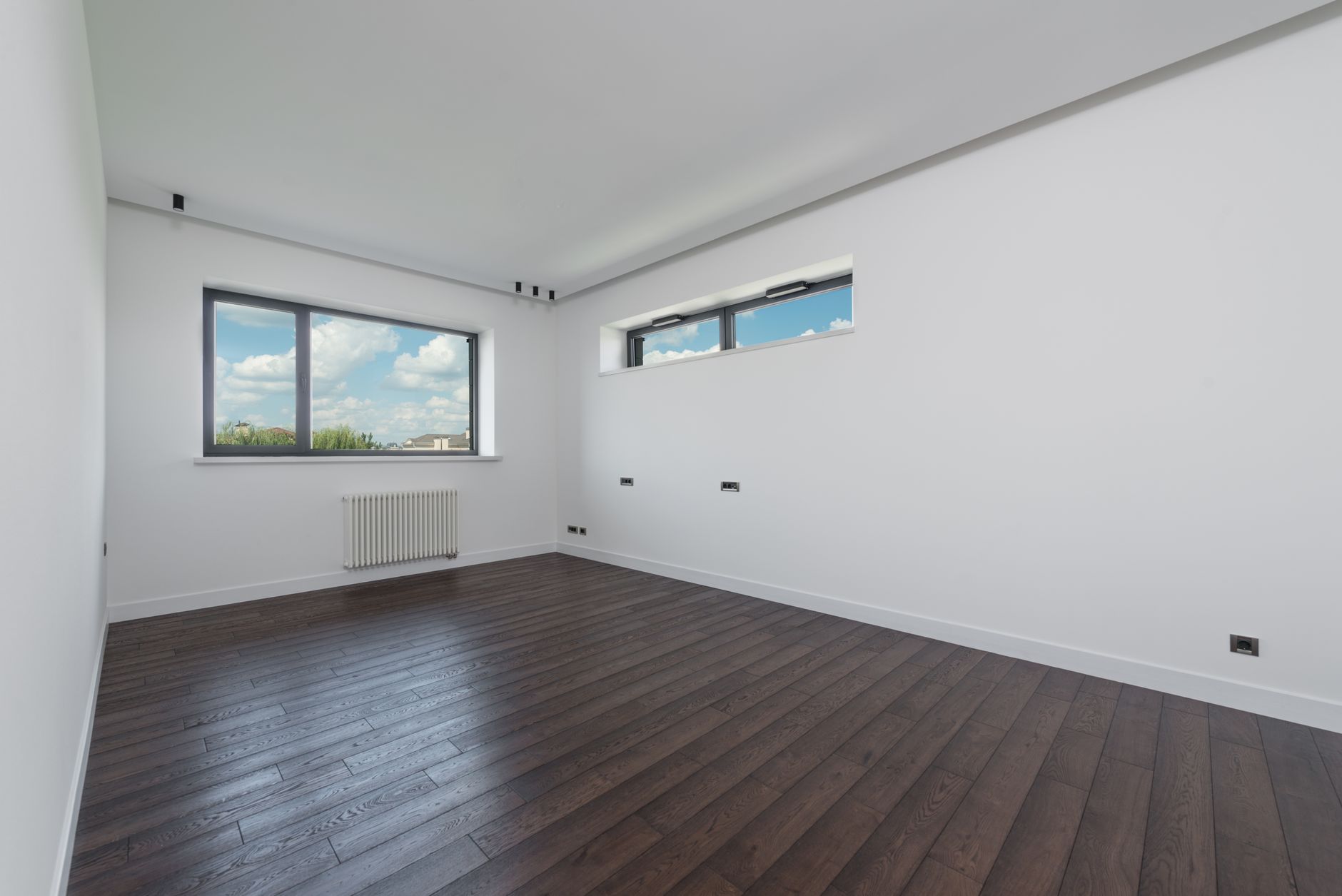
Feng shui traditions do not agree on a single answer. Form School and classical Compass School focus almost entirely on the building’s structure, orientation and surroundings, not on who lived there before. The BTB (Black Sect Tantric Buddhist) adaptation, more common in Western books, is the branch most likely to discuss “residual energy” from past residents, and even there it treats it as something to be addressed practically, not feared.
Does feng shui say a previous owner’s luck carries over to the next occupant?
No mainstream school claims that a house transfers a previous owner’s specific fortune — their finances, health or relationships — to whoever lives there next. That idea is closer to folk superstition than to classical feng shui, which concerns itself with the flow of chi (qi) through form and orientation, not with inherited biography.
What the traditions do discuss, in different ways, is whether a space retains an atmosphere shaped by how it was used and left. That is a narrower and more defensible claim, and it is worth separating from the stronger, unsupported version of the idea that circulates online. For a broader look at where popular feng shui advice overstates its own tradition, see what to ignore in most online feng shui advice.
What is “residual chi” and which schools actually use the term?
“Residual chi” is a phrase used mainly in BTB writing to describe the idea that a room holds an emotional imprint from what happened in it — arguments, illness, prolonged sadness, or simply neglect. Classical Compass School texts do not use this framework; they assess a site by its form, its facing direction and the compass sectors of the bagua (pa kua) map, not by its emotional history.
Where BTB practitioners raise the idea, the reasoning given is psychological rather than metaphysical: a room that was allowed to become cluttered, dark or unused tends to carry visible signs of that — dust, closed curtains, stale air — regardless of any energetic claim. Addressing those visible conditions is the practical core of the advice, however it is phrased. See how the tradition treats stagnant air generally at ventilation and stale air and why feng shui cares about natural light.
Does it matter how the previous occupants left the house, rather than who they were?
Practitioners in the BTB tradition generally say the physical condition left behind matters more than any story about the people. A home left clean, ventilated and in good repair is treated very differently from one left cluttered, damp or with unresolved maintenance problems — and this distinction lines up with ordinary practical sense, not just tradition.
- Clutter left by a previous occupant is addressed the same way clutter from any source is addressed — see why clutter is the first problem in every feng shui school.
- Broken fixtures, stuck doors or items left behind that no longer function are treated as a first task for a new occupant, not a lingering energetic issue — see what feng shui says about broken or unused objects.
- Structural condition — damp, poor light, a stuck or sticking door — is a matter for the tradition’s practical logic first, and a maintenance issue second. See sticking or squeaking doors in feng shui.
Does feng shui have anything to say about death or serious illness in a house?
Classical texts and Form School manuals rarely address this directly; their concern is with the shape of land, water and structure, not with the medical history of occupants. Some BTB-influenced writers suggest a “space clearing” ritual — burning particular herbs, using sound, or symbolically inviting stagnant energy to leave — before moving into a home with a difficult history. No practical rationale is given for why this changes anything beyond the tradition’s own terms, and this article does not present it as more than that.
Whether a property’s history must be disclosed to a buyer or tenant is a legal and regional matter, not a feng shui one. This is not legal advice; readers with a genuine question about disclosure obligations should raise it with a licensed real estate professional or their local housing authority, not with a feng shui guide.
Is there a difference between a house that has stood empty and one that has been continuously lived in?
Feng shui traditions that discuss this at all tend to treat a long-vacant house differently from one that changed hands directly between occupants, largely because of the physical consequences of vacancy — unopened windows, stopped airflow, undisturbed damp — rather than anything mystical about the absence of people. That subject is covered in detail at what feng shui says about a house that has stood empty.
A home viewing is the practical point at which these physical signs are actually visible — light, airflow, damp, the condition of doors and windows — and is a more useful checklist than speculation about who lived there. See the home viewing feng shui checklist for what to look at on a walkthrough.
What does the tradition actually suggest a new occupant do?
Where BTB sources address moving into a home with an unknown or difficult history, the suggestions given are consistently modest and physical rather than ritualistic in the way popular articles sometimes imply:
- Open every window and door in the home for a sustained period before moving belongings in, to establish fresh airflow rather than rely on the previous occupant’s habits.
- Clean thoroughly, including surfaces and fixtures the previous occupant may not have maintained, before arranging furniture.
- Repair or replace anything left broken — a stuck lock, a cracked window, a non-functioning light — as a first task, not a later one.
- Arrange furniture, and particularly the bed, according to the commanding position rather than however the previous occupant left it. See how to apply the commanding position in a small room and what feng shui says about a bed that faces the door.
None of this is presented, even within BTB writing, as guaranteed to produce a particular outcome for the new occupant. The claim made is narrower: that a clean, well-ventilated, well-arranged space is a better starting point than one left as found.
Is “clearing” a home’s energy a recognized practice, and should a reader buy anything for it?
Space clearing — burning sage or similar herbs, ringing a bell through each room, opening windows in sequence — appears in some BTB-influenced consumer books but has no basis in classical Form School or Compass School texts, which do not address the emotional residue of previous occupants at all. Where it is described, it is described as a ritual act with a stated intention, not as something with a demonstrated mechanism.
This site does not recommend buying any object — a bundle of herbs, a bell, a crystal — to perform this or any other feng shui task. See why “buy this lucky object” is bad feng shui advice for the reasoning behind that position generally. If a reader finds the idea of a clearing ritual meaningful, the tradition’s own instructions are simple enough to follow without a purchase: open the windows, clean the space, and move on to arranging the room properly.
Why do different sources give such different answers to this question?
Much of the disagreement traces back to which school a given source is drawing from without saying so. Classical Compass School manuals are concerned with orientation, sector and structure and simply do not discuss previous occupants. BTB writing, developed later and adapted for a Western audience, introduced the emotional and psychological framing that produces phrases like “residual energy” and “space clearing.” A reader encountering conflicting advice online is very often reading two different traditions presented as one. See why feng shui consultants disagree with each other for a fuller account of this pattern across the subject.
What should a buyer or renter actually take from this?
The physical evidence a previous occupant leaves behind — the state of maintenance, the smell of a closed room, dust and clutter, unresolved repairs — is worth attention regardless of any feng shui claim, because it affects daylight, air quality and how a space functions from day one. The tradition itself, honestly represented, does not claim more than that a fresh, well-kept, well-arranged home is a better starting point than one taken over as found. For renters and buyers weighing what can and cannot be changed about a property’s history, what feng shui says about renting and can’t change things and the wider Buying & Renting archive address the practical constraints in more detail. Broader grounding in what the tradition holds, and what it does not, is at the feng shui basics hub.
About this site. Feng Shui Pack explains what the feng shui tradition holds and which school holds it, from published sources. Feng shui is a tradition of placement and orientation, not a science: nothing here will bring you wealth, health, luck or a relationship, and we never claim otherwise. Where a suggestion has an ordinary practical reason — daylight, airflow, sightlines, less clutter — we say so; where it does not, we say that too. This is not medical, financial, legal or tenancy advice. If a decision matters, talk to a professional in that field.