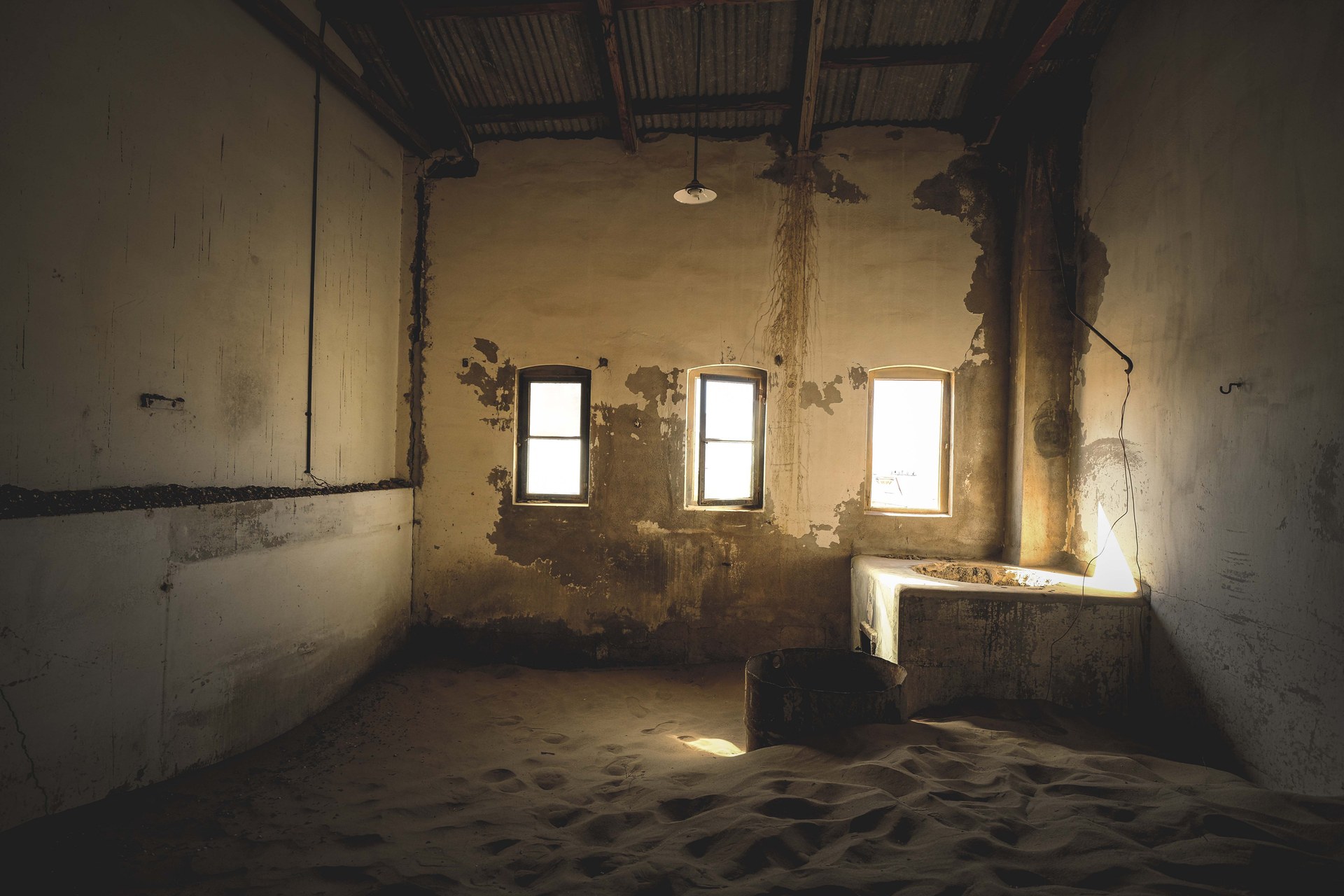
Feng shui traditions generally hold that a house left empty for a long stretch develops “stagnant chi” — the idea that without people moving through it, opening doors and windows, and using its rooms, the flow the tradition associates with a lived-in home slows or stalls. Most schools recommend a period of active use — opening, airing, cleaning — before treating the house as settled.
Why does feng shui treat an empty house as a problem?
Classical Form School texts describe chi as something that needs a path — through a door, along a hallway, into a room — much as it describes wind and water needing a course. A house with nobody in it has no one to open the windows, walk the halls, or use the rooms, so practitioners describe the chi as sitting still rather than circulating.
The Western Black Sect (BTB) adaptation, which is where most English-language “stagnant energy” language originates, extends this into a broader claim: that emptiness itself changes the character of a space, and that a house needs to be “woken up” by activity before it functions well for whoever moves in next. Classical Compass School texts are less concerned with this and focus instead on the property’s orientation and the compass directions of its rooms, which do not change whether or not anyone is living there.
Is there a practical explanation, separate from the tradition?
Yes, and it is worth separating from the symbolic claim. An unoccupied house genuinely does change physically:
- Without regular ventilation, air becomes stale and humidity can build, which is covered in more detail on the site’s page about ventilation and stale air.
- Unused plumbing traps can dry out, allowing sewer odour into the house — a maintenance issue, not a symbolic one.
- Dust, damp, and pest activity increase without regular cleaning and disturbance.
- Mail piles up, curtains stay shut, and the house reads as unoccupied from the outside — a separate, practical concern covered by the site’s page on the approach to a house.
None of this requires any feng shui framework to explain. A house that has had no one to open a window or run a tap for months will need airing out and basic maintenance checks regardless of which tradition, if any, a new occupant follows. This is a matter for a surveyor or property professional, not a feng shui consultant, and this article is not a substitute for a structural or damp survey.
Does it matter how long the house has stood empty?
Practitioners generally treat this as a matter of degree rather than a fixed threshold. A house empty for a few weeks between tenants is treated differently from one that has stood empty for years — the tradition does not fix an exact cutoff, and no consistent number appears across schools.
What is consistent across Form School and BTB writing is the idea that the longer a property sits unused, the more deliberate the “reactivation” is described as needing to be: more airing, more cleaning, more use of every room rather than just the ones a new occupant plans to live in day to day.
What does feng shui suggest doing before moving in?
Recommendations vary by school, but a few themes recur across most English-language and classical sources:
- Open everything. Doors and windows in every room, not just the ones that will be used, are opened to let air move through the whole house rather than a few rooms.
- Clean before arranging. Most schools put cleaning ahead of any placement advice — clutter and dirt are treated as the first problem to solve, a point covered at length on the site’s piece on why clutter is the first problem in every feng shui school.
- Use every room at least once. BTB sources in particular describe walking through and briefly occupying every room — sitting at a table, standing in a doorway — as part of “activating” the space, rather than treating unused rooms as an afterthought.
- Remove what the previous occupants left behind. Broken fixtures, abandoned furniture and unused objects are treated as carrying over the neglect of the empty period; the reasoning is discussed further on the page about broken or unused objects.
None of these steps promise an outcome. The tradition frames them as restoring a house to an ordinary, functioning condition — not as guaranteeing wellbeing, finances or luck for whoever moves in.
Does the reason the house was empty matter?
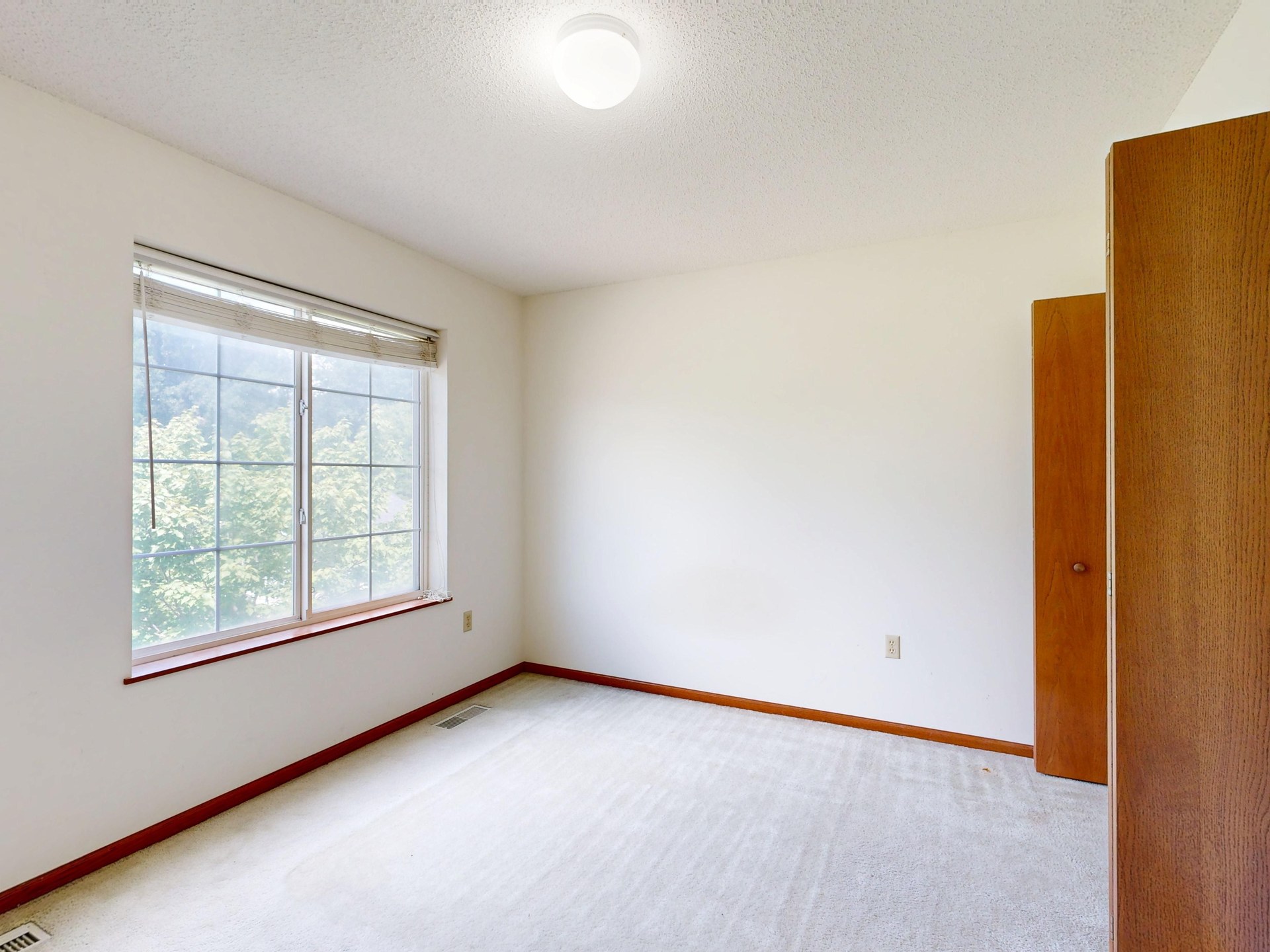
Some feng shui writing distinguishes between a house left empty through ordinary circumstance — between tenancies, during a renovation, while a sale completes — and one left empty after a death, a foreclosure, or a dispute. Practitioners in this camp suggest the second category may need more deliberate cleaning and airing, sometimes alongside a symbolic act such as burning incense through the rooms, though no practical rationale is given for the incense beyond the tradition itself.
This is squarely a belief-based claim, and schools disagree on how much weight to give it. It should not be read as a statement about the physical condition of the house — a property that changed hands after a death or a repossession is not different structurally, only in its documented history. Readers concerned with structural or legal history of a property should consult the actual sale records, a surveyor, or a solicitor, not a feng shui reading of the house’s past.
Does this apply differently to buying versus renting?
A buyer inspecting a long-vacant house has more freedom to act on this advice than a renter moving into one — repainting, deep-cleaning every room, and replacing fixtures left behind are all more available to an owner. The site’s home viewing feng shui checklist covers what to look at during a viewing, empty or otherwise, and the Buying & Renting archive covers the wider set of questions that come up specifically at the point of purchase or lease.
Renters moving into a property that has stood empty for some time — common with long-term lets between tenancies — are usually working with more constraints: fixtures they cannot replace, walls they cannot repaint, furniture left by a landlord. The site’s guide to what feng shui says about renting and things you can’t change addresses this directly, and the emphasis in most schools shifts from structural change to cleaning, airing and rearranging what is movable.
Is “stagnant chi” a claim that consultants agree on?
No. As with most feng shui concepts, the emphasis and the reasoning differ by school, and English-language consultants frequently apply BTB reasoning while describing it as universal. The site’s explainer on why feng shui consultants disagree with each other covers this pattern in more detail, and it is worth reading before treating any single claim about an empty house as settled tradition rather than one school’s position.
What is not in dispute, across schools and outside the tradition altogether, is that an unused house needs airing, cleaning, and a basic maintenance check before anyone settles into it. That much is just good practice for any building that has sat closed up for a while — the rest is a matter of which tradition, if any, a reader chooses to follow. For a broader grounding in what the tradition holds and what it does not claim, the site’s feng shui basics hub is the place to start.
About this site. Feng Shui Pack explains what the feng shui tradition holds and which school holds it, from published sources. Feng shui is a tradition of placement and orientation, not a science: nothing here will bring you wealth, health, luck or a relationship, and we never claim otherwise. Where a suggestion has an ordinary practical reason — daylight, airflow, sightlines, less clutter — we say so; where it does not, we say that too. This is not medical, financial, legal or tenancy advice. If a decision matters, talk to a professional in that field.