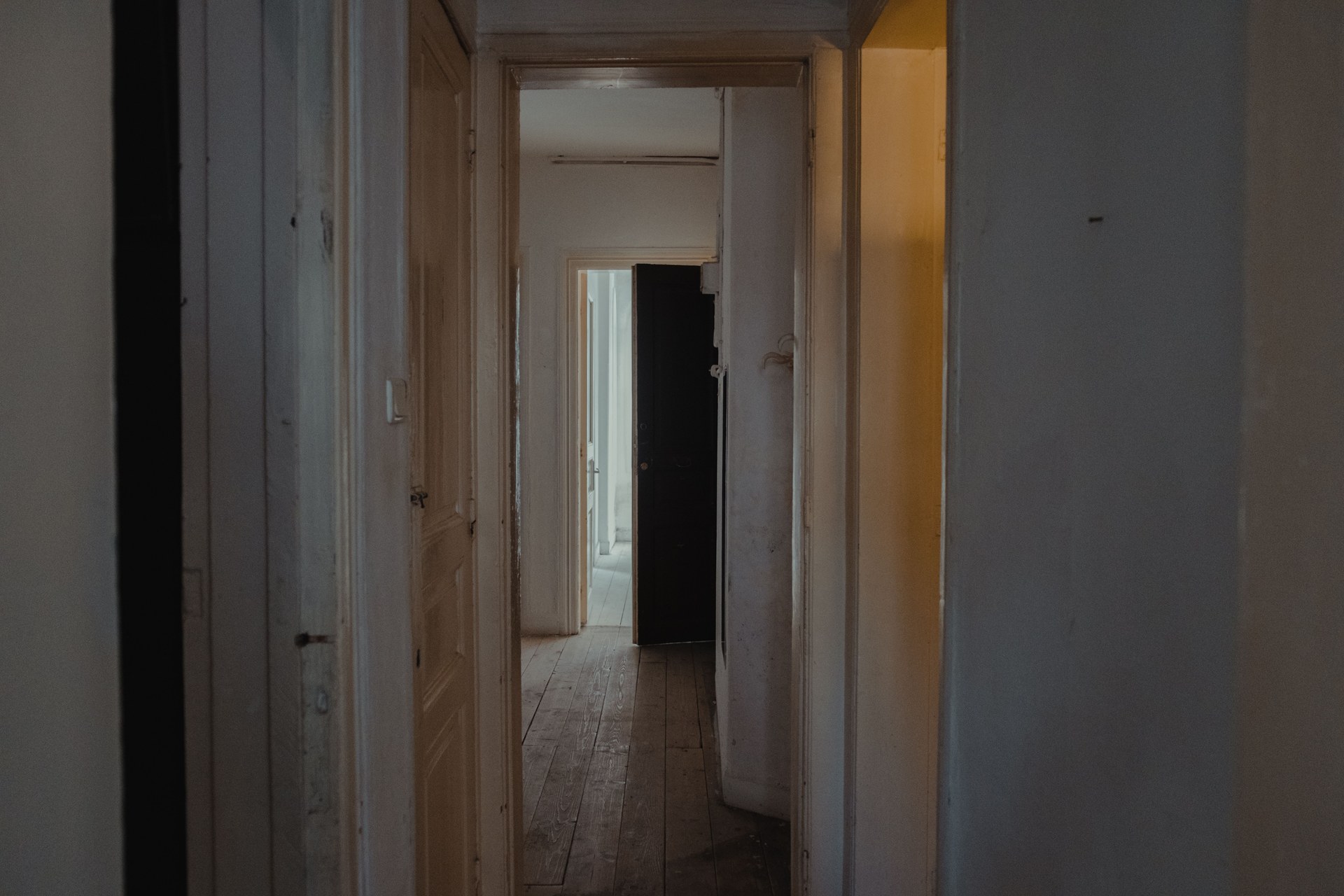
Some layout problems can be addressed by moving furniture, screening a sightline, or changing a habit — a desk with its back to a door, a bed under a beam that can be shifted a foot. Others are structural: a north-facing block of flats, a fixed staircase, a shared house you cannot renovate. Feng shui has always distinguished between the two, though which category a given problem falls into depends on which school is answering.
What actually separates a fixable problem from an unfixable one?
A layout problem is fixable, in feng shui terms, when the fix is placement, screening, lighting or behaviour — things a tenant or a visitor can change without a contractor. It is not fixable, in the same terms, when the fix would require moving a wall, a window, a staircase or the building itself.
This distinction matters because a lot of advice glosses over it. Form School (Xingshi) is largely concerned with the second category — the shape of the land, the direction a building faces, what sits outside a door — and its remedies for structural issues are often about acceptance and compensation rather than removal. Compass School (Liqi) works with fixed directions tied to a building’s construction date and orientation, which by definition cannot be changed once the building exists. The Western Black Sect (BTB) adaptation, more common in English-language books and blogs, tends to focus on what is inside a room — furniture position, mirrors, colour — because that is what a renter or homeowner can actually move. None of the three is more “correct” than the others; they are answering different questions. For a wider look at how these schools diverge, see why feng shui consultants disagree with each other.
Can a bed that faces the door be fixed without moving it?
Usually, yes. The concern with a bed directly in line with the door is about a sleeper being startled by movement or draught from the doorway, and about not seeing who enters — the practical logic behind what is called the commanding position. Where the bed frame itself cannot be moved — a fixed alcove, a shared room, a landlord’s furniture — the tradition’s fallback is a mirror positioned so the sleeper can see the door reflected, or simply repositioning the head of the bed within the available space rather than the whole frame.
Details on this specific configuration are covered in what feng shui says about a bed that faces the door, and on working within limits at all in what feng shui actually suggests when the bed can’t be moved. The commanding position itself — being able to see the door from a bed, desk or main seat without being directly in line with it — is explained more generally in the guide to applying the commanding position in a small room.
Is a home with no hallway a real problem, or just a different layout?
It is a different layout, not a defect, though the tradition treats the transition from outside to inside as significant regardless of whether a hallway exists. Where a front door opens straight into a living space, the usual suggestion is a visual break — a rug, a change in lighting, furniture set at an angle to the door — rather than any structural change, because none is available or needed.
This is a genuinely common situation in older housing stock and studio conversions, and it is addressed directly at how to handle a home with no hallway. The wider set of entrance and flow questions — what belongs near a front door, how directly it should face a path, what a cluttered entry is thought to do — sits in the Entrances & Flow archive.
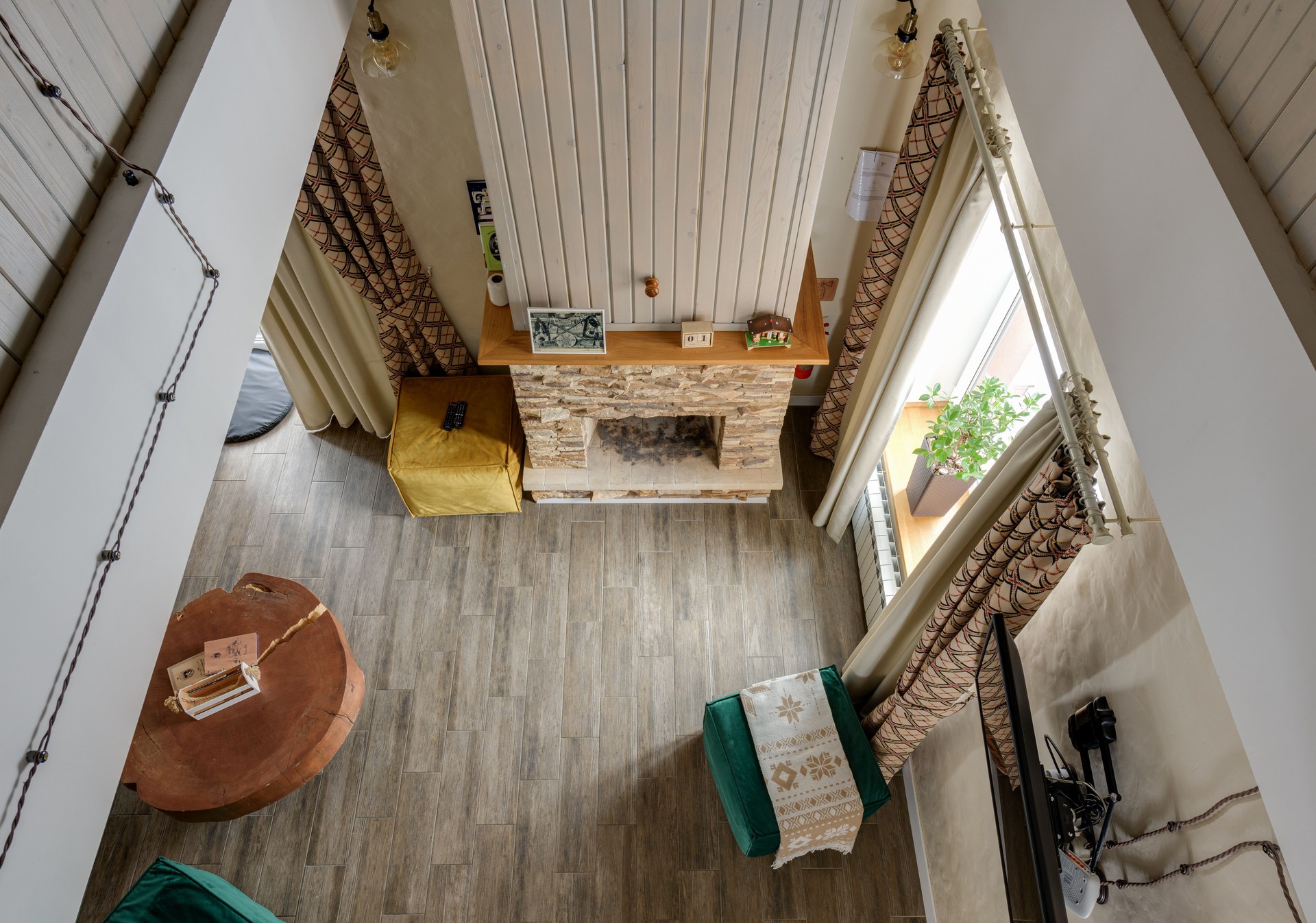
What about a house shape or a room a landlord won’t let you change?
This is the clearest unfixable category, and the tradition is honest about it rather than pretending otherwise. A building’s orientation, an L-shaped floor plan with a “missing” corner, a staircase facing the front door, a shared kitchen — none of these can be altered by a tenant, and no school of feng shui claims placement alone undoes a structural configuration.
What the tradition offers instead is compensation rather than correction: lighting a dim corner, screening a sightline with a plant or furniture rather than a wall, accepting that some rooms will be used differently than a floor plan suggests. This is set out plainly at what feng shui says about renting and things you can’t change, and the same logic applies to shared housing, covered in the guide to applying feng shui in a shared house. This is not a substitute for a tenancy agreement or a landlord’s obligations — for anything to do with a lease, deposit or repair responsibility, the relevant authority is a housing advice service or a solicitor, not this site.
Can beams, sloped ceilings and awkward structural features be addressed?
Partially. A low beam running across a bed or desk is a fixed architectural fact; it cannot be removed by a tenant and rarely by an owner without significant building work. What can change is where the bed or desk sits relative to it — shifting a bed frame so the beam runs along the body rather than across the chest, for instance — which is placement, not renovation, and falls squarely in the fixable half of the ledger.
The reasoning classical sources give for beams overhead is about a felt sense of pressure while sleeping or working directly beneath one; there is no claim, in any school, that a beam itself causes harm beyond that. The topic is covered fully at beams and low ceilings in feng shui, and sloped ceilings specifically — common in loft conversions and top-floor flats — at the related guide to sloped bedroom ceilings.
Is a north-facing room or a windowless room fixable?
The orientation of a room and the presence or absence of a window are both fixed by the building and cannot be changed by furniture arrangement. What can change is how the room is used and lit.
- A north-facing room in the northern hemisphere gets comparatively little direct sun; the practical response is about lighting layers and colour choice, not about relocating the room, and is covered at what feng shui says about north-facing rooms.
- A room with no window at all raises genuine practical questions about ventilation and daylight that sit outside feng shui and inside building physics — see what feng shui says about a room with no window for how the tradition frames it, and note that persistent damp, mould or poor ventilation is a matter for a landlord, a surveyor or a local housing authority, not a placement adjustment.
Related structural questions about how orientation shapes room use are gathered in the Light & Air archive.
When does feng shui say a problem should just be accepted?
Consistently, when the fix would require altering the building’s structure, its orientation, its date of construction, or another occupant’s space. Compass School calculations are explicitly tied to a building’s construction date and facing direction — figures that cannot be revised after the fact, only worked around. Form School’s reading of land shape, slope and what stands outside a property is, by definition, about conditions a resident did not create and mostly cannot alter.
What most schools agree on, despite their other disagreements, is that clutter, poor lighting, blocked pathways and a bed or desk with its back to a door are within a resident’s control and are treated as the first and most useful problems to address — see why clutter is the first problem in every feng shui school. Beyond that starting point, the room-by-room detail on what can and cannot be adjusted in a given space is set out in the room-by-room feng shui guide, and the underlying principles — what the tradition actually holds, and what it is not — are covered in the feng shui basics hub. For a broader survey of layout and furniture questions specifically, the Layout & Furniture archive covers everything from open-plan divisions to furniture height and circulation.
None of this is a substitute for structural, damp, electrical or safety advice from a qualified surveyor, builder or the relevant local authority. Feng shui addresses arrangement and habit; it does not diagnose or repair a building.
About this site. Feng Shui Pack explains what the feng shui tradition holds and which school holds it, from published sources. Feng shui is a tradition of placement and orientation, not a science: nothing here will bring you wealth, health, luck or a relationship, and we never claim otherwise. Where a suggestion has an ordinary practical reason — daylight, airflow, sightlines, less clutter — we say so; where it does not, we say that too. This is not medical, financial, legal or tenancy advice. If a decision matters, talk to a professional in that field.