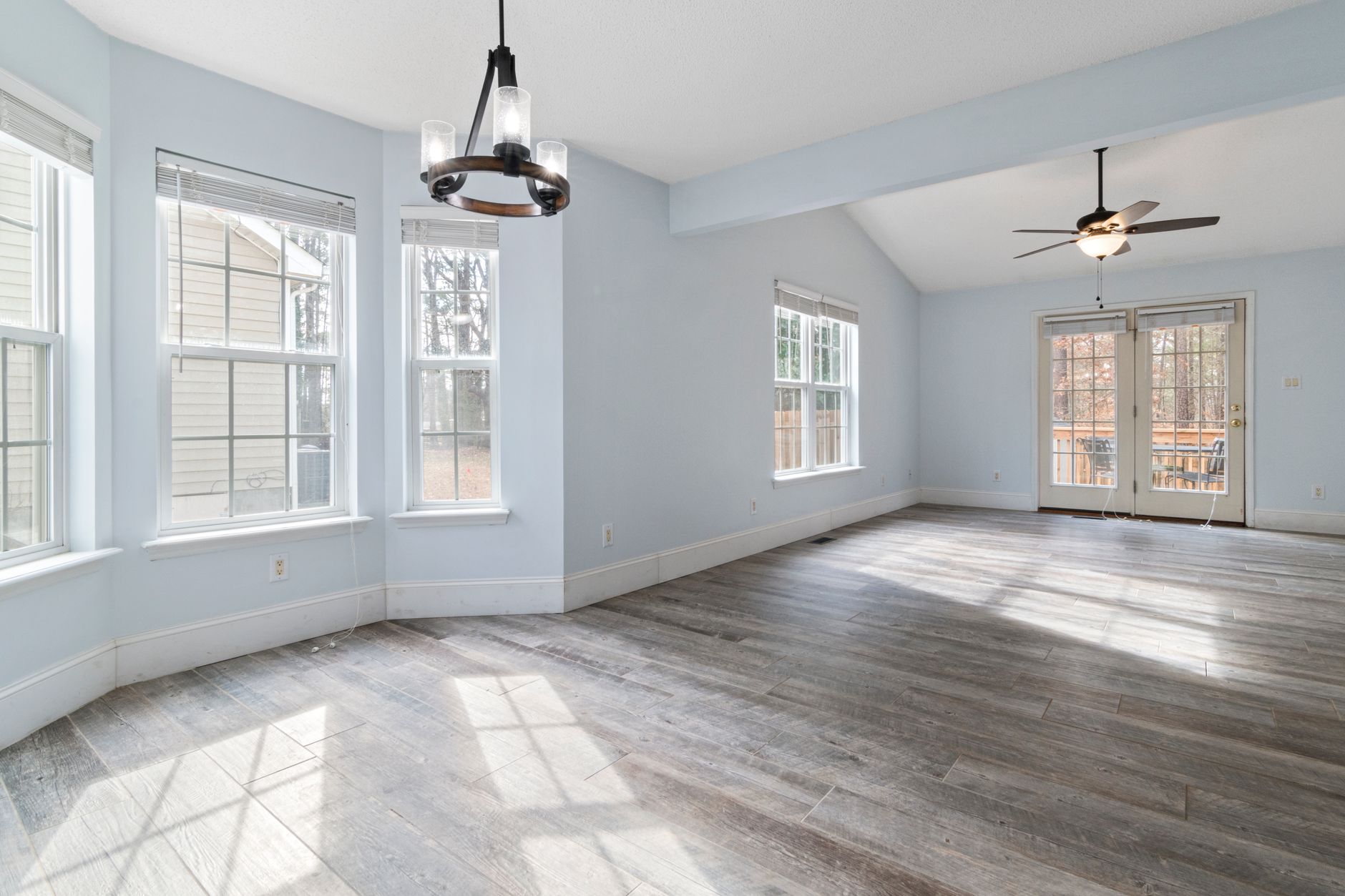
Feng shui gives two different answers, depending on the school. In classical Compass School (Liqi), north is tied to the Kan trigram, the Water element, and is traditionally associated with career and the flow of life. In the Western Black Sect (BTB) adaptation, “north” is not a compass direction at all — it is wherever the wall opposite the front door falls when the bagua map is laid over the floor plan. The two systems are not describing the same thing.
Does “north-facing” mean the same thing in every feng shui tradition?
No. This is the point most English-language advice glosses over, and it causes real confusion. Compass School uses an actual magnetic or true-north reading, taken with a compass or luopan, and maps the eight directions onto trigrams that classical texts assign fixed meanings. BTB, developed in the twentieth century by Professor Thomas Lin Yun, dispenses with the compass entirely and instead orients the bagua map from the main entrance of a room or home, regardless of which way that entrance actually faces geographically.
A room can therefore be “north” in the BTB sense — the far wall from the door — while its windows genuinely face south, east, or any other direction on a compass. Anyone reading advice about a “north” room needs to know which system is being used before the advice means anything at all. For more on why these frameworks disagree so consistently, see why feng shui rules contradict each other and the more detailed comparison of Form School versus Compass School.
What does Compass School say about a room that faces true north?
In Compass School, north corresponds to the trigram Kan, associated with Water, the season of deepest winter, and traditionally linked to career and the working life of a household. Water in the five-element scheme is also connected to stillness, depth and things held in reserve. Classical texts describe a north-facing main door or room as sitting under this influence, though schools of thought differ on whether that reading is favourable or simply neutral and worth working with deliberately.
Compass School practitioners also read the relationship between a room’s facing direction and the specific occupant’s personal trigram, calculated from birth year and sex under the Eight Mansions (Ba Zhai) method. This means the same north-facing room can be read differently for two different people living in it — a level of individual calculation that has no equivalent in BTB.
None of this is presented on this site as a guarantee of career success or any other outcome. It is a description of what the tradition claims, attributed to the tradition, not advice about what will happen to a reader’s finances or career.
What does BTB feng shui say about the north sector of a room?
In BTB practice, the bagua map is placed against the wall containing the main entrance, and the sector directly opposite the door is labelled Career, regardless of which compass direction it actually faces. Because BTB’s “north” is a floor-plan position rather than a geographic one, a room’s true compass orientation is irrelevant to this reading. This is a major point of departure from Compass School, and the two should not be blended without saying so.
Readers who want the fuller picture of how the bagua is applied — and where BTB and classical Compass School genuinely part ways — are better served by what the bagua is and how it’s used, how to orient a bagua map to a home, and the BTB adaptation explained directly.
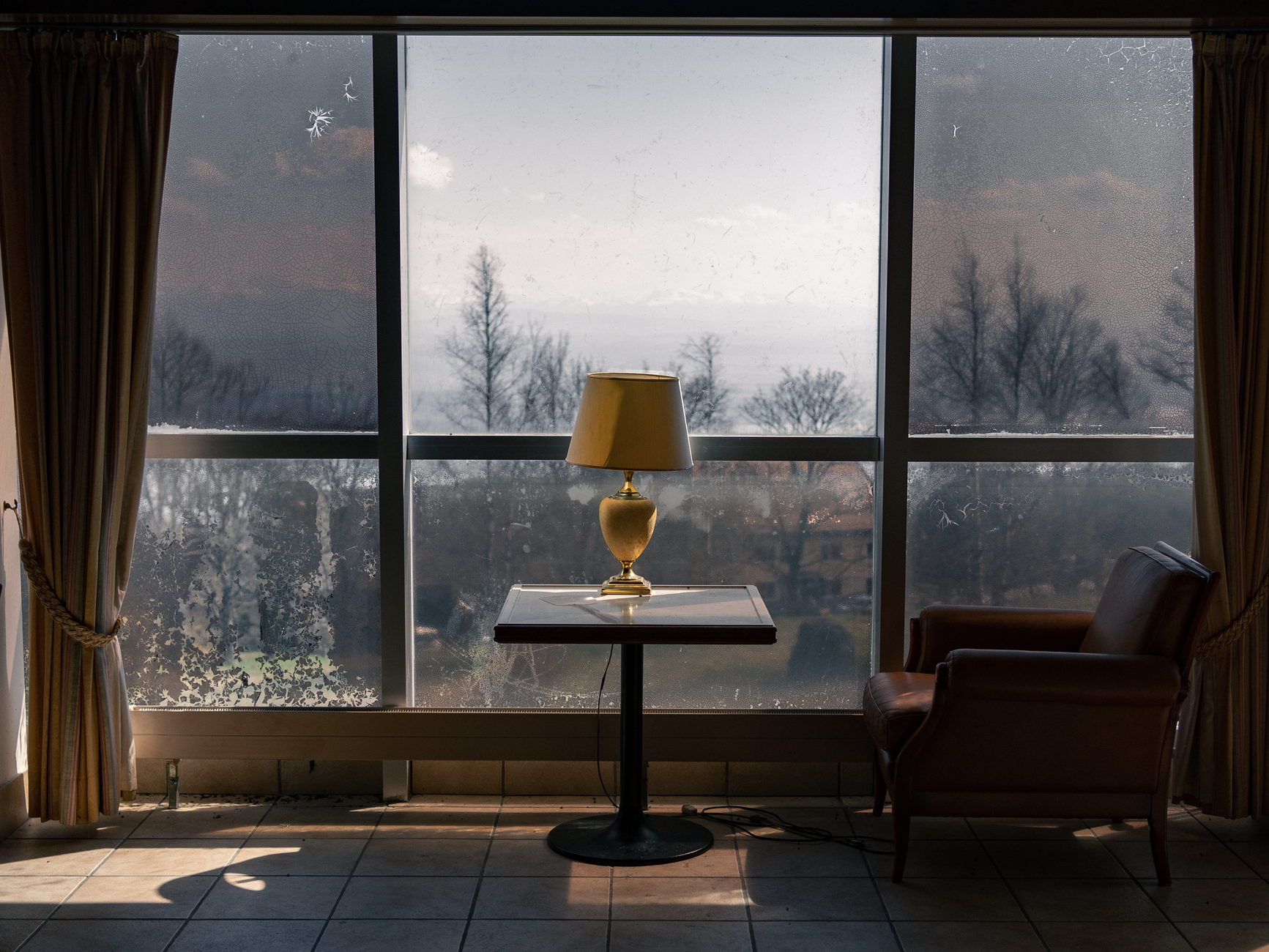
What actually happens to daylight in a room that faces north?
Away from tradition entirely, there is a straightforward physical fact worth stating plainly. In the Northern Hemisphere, a north-facing window receives no direct sunlight for most or all of the year, because the sun’s path stays to the south of the sky. The light such a room gets is indirect — reflected skylight — which tends to be cooler in colour temperature and more even across the day, without the strong shifting patches of direct sun. In the Southern Hemisphere, this is reversed: north-facing rooms there get the more direct, higher-sun exposure that south-facing rooms get in the north.
This is not a feng shui claim; it is basic solar geometry, and it is the reason a north-facing room (Northern Hemisphere) often reads as calmer and cooler in feeling than a south-facing one, without needing any symbolic explanation. The site’s broader piece on how daylight direction changes the way a room is used sets this out room by room, and why feng shui cares about natural light at all covers the reasoning both traditions give for valuing daylight highly.
Because a north-facing room gets less variation in natural light, artificial lighting tends to matter more in practice — see how artificial lighting should be layered in a room and the separate note on what feng shui says about overhead lighting, since a single ceiling fixture does less work in a room without strong sun to supplement.
Is a north-facing room considered good or bad in feng shui?
Neither, in either tradition, without more context. Classical Compass School does not rank directions as simply good or bad in isolation — it reads them against the occupant’s personal trigram, the building’s construction period, and the surrounding landform, none of which can be settled by direction alone. BTB treats the Career sector as one of nine equally necessary parts of a functioning bagua map, not as a space to be avoided.
Where a north-facing room genuinely presents a practical issue, it is usually the daylight point above — a room with persistently low light levels can feel colder and less used, which is a design problem with design solutions, not a fixed verdict from either school.
How should a north-facing room actually be furnished?
Both schools converge on ordinary, checkable advice once the symbolic layer is set aside:
- Where daylight is limited, artificial light is layered rather than left to a single ceiling fitting — see layering artificial lighting.
- Reflective and pale surfaces help bounce the available indirect light further into the room; the material logic behind this is covered in metal and glass in a room and which materials belong to which element.
- Curtains and blinds are chosen with the cooler, flatter light in mind rather than for blocking strong sun, a point covered in curtains and window coverings.
- Furniture placement still follows the same practical logic regardless of compass direction — a seat with a clear view of the door, described at what a command view actually is, is unaffected by whether the room faces north, south, east or west.
Does the direction change which room should go there?
Neither school insists that a north-facing room must be used one way and not another. Classical Compass School’s Eight Mansions method does pair certain directions with certain functions for certain occupants, but this depends on personal trigram calculation, not on direction in isolation. BTB’s Career sector applies to whichever room happens to fall there in the floor plan — a bedroom, a kitchen, a hallway — without demanding a change of use.
In practice, the deciding factor for most rooms is still daylight and function rather than symbolism: a home office benefits from steady, glare-free light, which a north-facing room (Northern Hemisphere) often supplies more consistently than a room with strong direct sun. This is covered in more detail at home office desk direction and the general Light & Air section of this site.
A note on what this article is, and isn’t
This article describes what two named feng shui traditions claim about direction, and separately what solar geometry does to daylight in a north-facing room. It is not structural, medical or financial advice, and no claim here should be read as a promise about career, income or wellbeing. Anyone renovating, extending, or making decisions that affect a tenancy should consult a qualified architect, surveyor or letting professional; anyone acting on the feng shui content should treat it as a described tradition, not a guarantee.
For the wider groundwork this article draws on, the Basics archive covers how the different schools of feng shui developed and where they diverge, and the Light & Air archive collects the practical daylight and ventilation material referenced above.
About this site. Feng Shui Pack explains what the feng shui tradition holds and which school holds it, from published sources. Feng shui is a tradition of placement and orientation, not a science: nothing here will bring you wealth, health, luck or a relationship, and we never claim otherwise. Where a suggestion has an ordinary practical reason — daylight, airflow, sightlines, less clutter — we say so; where it does not, we say that too. This is not medical, financial, legal or tenancy advice. If a decision matters, talk to a professional in that field.