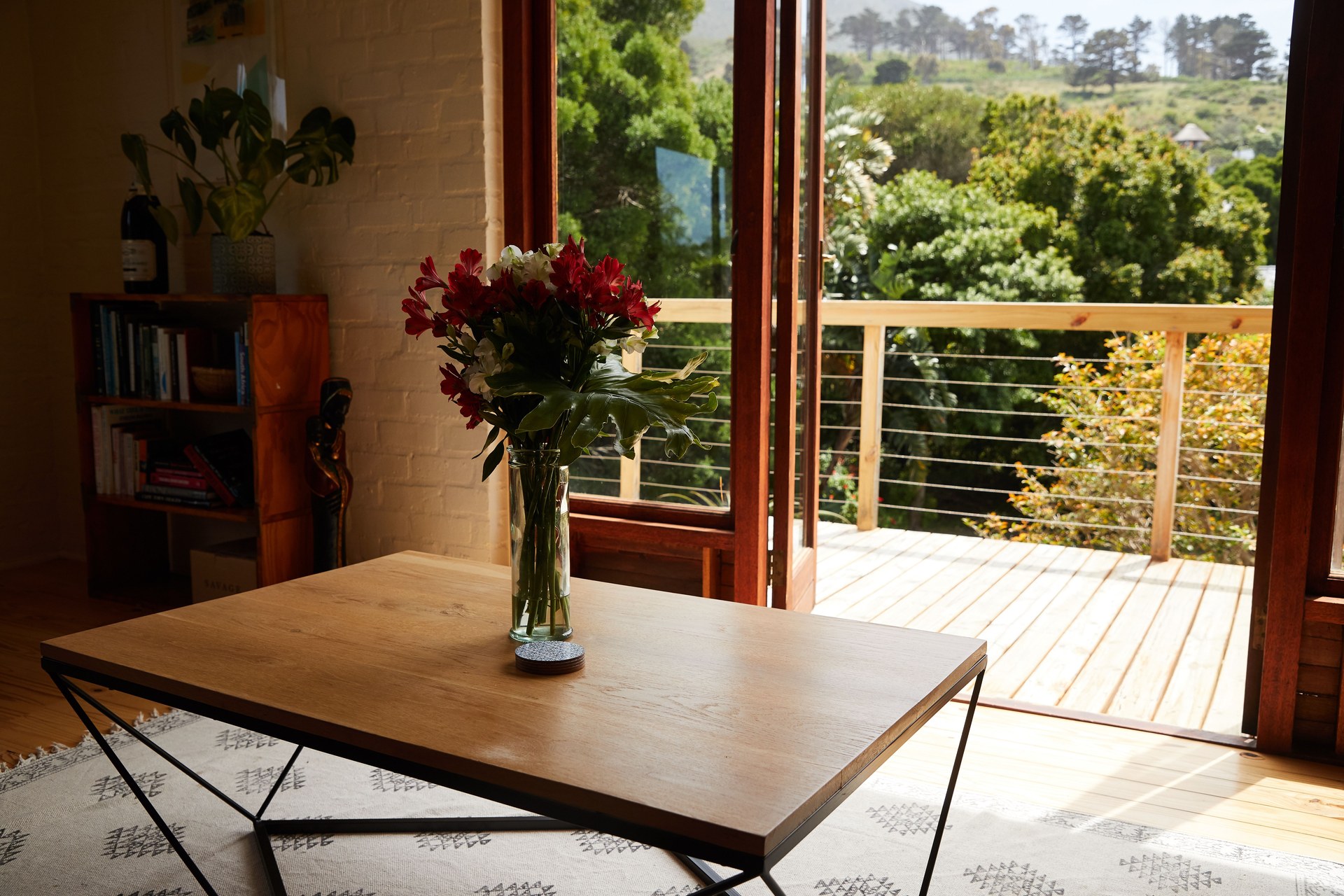
Feng shui treats scent mainly as evidence of air quality, not as an accessory. A home that smells stale, damp, or of old cooking is read as a sign that chi (qi) — the tradition’s term for circulating air and energy — is not moving properly, while incense and certain plants are used deliberately in some practices to mark or calm a space rather than simply to make it smell pleasant.
Does feng shui actually have rules about smell?
Classical texts say very little directly about scent as its own category. Most of what circulates online as “feng shui and smell” is drawn from later practice — particularly incense use in Chinese temple and household ritual, and the Western Black Sect (BTB) adaptation, which brings in space-clearing ideas more explicitly than Form School or Compass School ever did.
What the older schools do say a great deal about is air movement itself. Form School (Xingshi) is concerned with how chi collects and stagnates depending on the shape of a room, a corridor, or a site. Compass School (Liqi) adds directional readings on top of that. Smell, in both, is treated as a symptom of the air’s condition rather than a subject in its own right. If a room smells wrong, the tradition’s logic is that the air in it is not circulating — which is also a plain physical fact worth taking seriously on its own terms.
Why does a stale smell matter in feng shui terms?
A stale or musty smell is generally read as poor chi flow, because in feng shui’s own logic, air that isn’t moving is air that isn’t renewing. That reading lines up with the ordinary physical explanation: a smell lingers because ventilation is inadequate.
This is one of the clearer places where the tradition’s language and practical reality point the same way. A room with no working airflow — a sealed window, a closed-off corner, furniture blocking a vent — will hold odours (cooking, damp, pets) far longer than one with a through-draught or an extractor doing its job. The feng shui recommendation and the maintenance recommendation are the same: improve air exchange. The site’s guide to ventilation and stale air goes into this in more detail, and the Light & Air archive covers the related questions about windows, daylight, and airflow more broadly.
Rooms with no external window at all raise the same issue in a sharper form; see the piece on a room with no window for what the tradition and practical building advice each suggest.
What does feng shui say about incense?
Incense has a long, well-documented role in Chinese domestic and temple practice, used to mark a space as prepared or to accompany a specific ritual moment — it is not, in its traditional use, a general air freshener. Some contemporary practitioners, particularly in BTB-influenced writing, extend this into “space clearing,” burning incense (or sage, which is a separate and unrelated tradition) to mark a fresh start in a room.
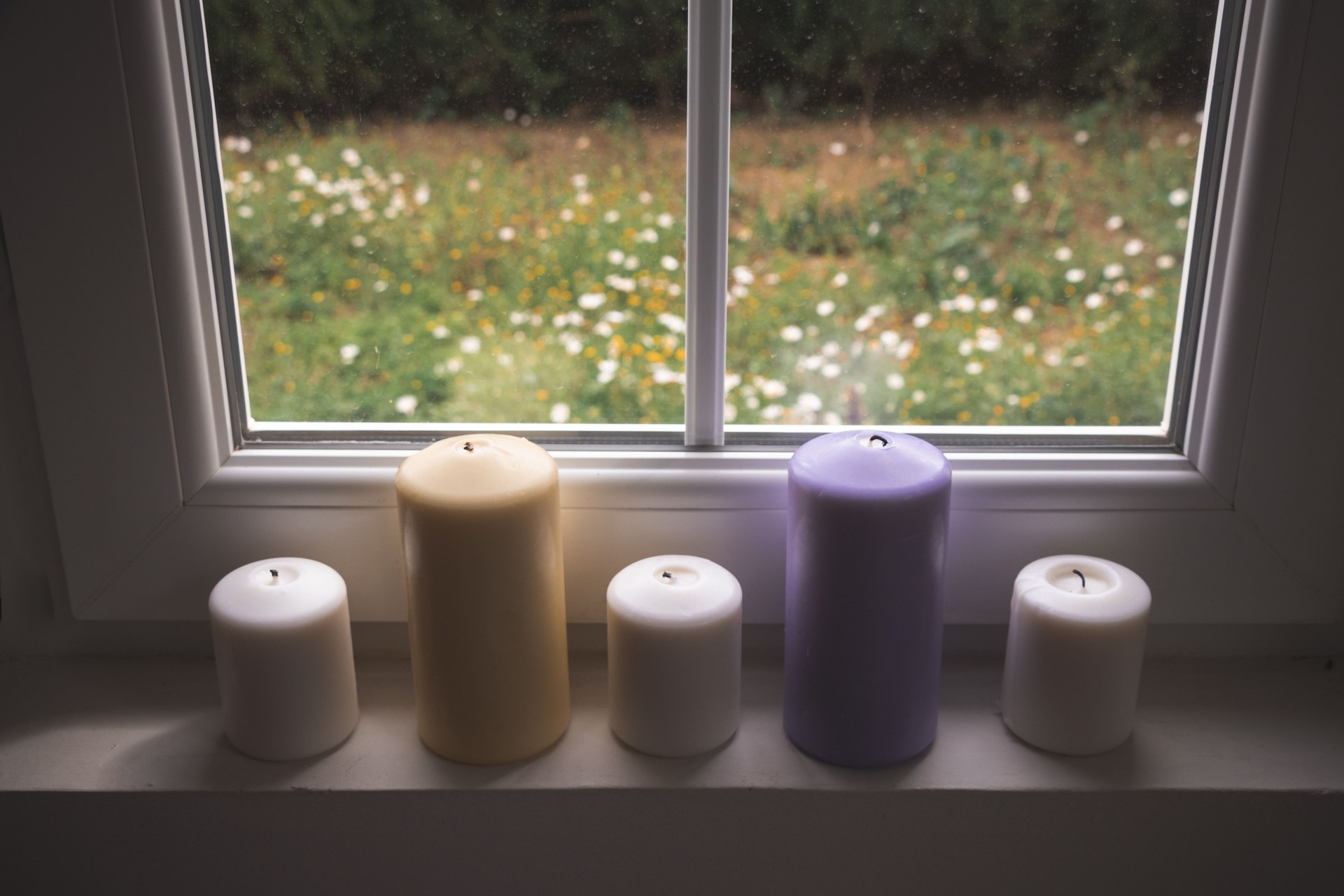
Two things are worth separating here. First, incense involves an open flame or a smouldering ember, which the tradition treats as fire element and which carries the same very ordinary indoor-air and fire-safety considerations as any other burning object — see the article on candles and open flame for how feng shui frames fire element indoors. Second, no practical rationale is given in the older schools for incense clearing “negative energy” from a room; that is a ritual claim, not a design one, and this site does not present it as anything more than what different traditions say it does.
Anyone with respiratory sensitivity, asthma, or a household member with either should treat incense smoke the way any other smoke source is treated — this is a health question, not a feng shui one, and is worth raising with a doctor rather than settling by tradition either way.
What about essential oils and diffusers?
Diffusers and essential oils are a modern addition with no basis in classical feng shui texts, but they’re commonly folded into contemporary practice under the same general idea — that a home’s air should be fresh and its chi unobstructed. Practitioners who use them tend to frame it as supporting good air quality rather than invoking any specific rule about which scent belongs where.
Where oils and diffusers do intersect with older feng shui logic is water and fire. A water-based diffuser is sometimes discussed in element terms — introducing water element into a room — while a candle-based wax burner is discussed as fire element. The reasoning is more about balancing the five elements in a space generally than about scent specifically. The site’s guide to materials and the five elements and the overview of the five elements themselves explain that framework if it’s useful context, though it’s worth being clear this is a broader design idea, not a scent-specific rule.
Do cooking smells matter in feng shui?
Yes — the kitchen is one of the few rooms where classical feng shui is genuinely specific, largely because of the stove’s symbolic weight and because ordinary ventilation there does real work. Persistent cooking odour reaching the rest of the home, especially the entrance or bedrooms, is generally read as a sign the kitchen’s air isn’t being properly extracted or separated.
The practical version of this advice is uncontroversial: a working extractor hood, a kitchen door that can be closed, and layout that doesn’t put the stove directly in the sightline of the front door all reduce how far cooking smell travels through a home. The kitchen work triangle and stove placement articles cover the layout side of this; the point about scent is really a ventilation point wearing a feng shui label.
Does feng shui say anything about the entrance and smell specifically?
The entrance, sometimes called the “mouth of chi” in feng shui writing, is treated as the point where air (and by extension smell) first enters a home, so a musty, shoe-locker, or bin smell right at the door carries more symbolic weight in the tradition than the same smell somewhere in the back of the house.
Practically, this is also the spot most exposed to outside damp, discarded shoes, and rubbish storage, so it’s a reasonable place for the smell to actually originate. The article on cluttered entrances and the Entrances & Flow archive cover what else the tradition says belongs — and doesn’t belong — near a front door.
Is there a “correct” scent for a bedroom or living room?
Classical feng shui does not assign specific scents to specific rooms; where this idea appears in contemporary advice, it’s almost always a BTB-era addition rather than something in Form or Compass School texts. What both older schools do emphasise is that a bedroom’s air should be calm and unobstructed, which in practical terms usually means good ventilation, minimal clutter, and no strong lingering odours from unwashed textiles or blocked airflow.
Rugs, curtains, and soft furnishings all hold odour more than hard surfaces, which is a straightforward material fact rather than a feng shui claim — see rugs and floor coverings and curtains and window coverings for how the tradition treats fabric more generally, including how often it suggests airing or laundering it.
How does this fit with the rest of a room’s feng shui?
Scent doesn’t sit in isolation in the tradition — it’s treated as one more sign, alongside light, air movement, and clutter, of whether a space is being maintained. A room that’s dim, cluttered, and poorly ventilated is far more likely to smell stale than one that isn’t, regardless of what tradition is being applied.
For readers working through a whole room rather than one detail, the Room by Room archive and The Basics archive cover how feng shui’s separate concerns — layout, light, materials, and air — are meant to work together, and the Objects & Materials archive has more on incense, candles, and other items that carry a scent element specifically.
What’s the practical takeaway?
Feng shui’s real contribution here is a reminder to treat smell as a diagnostic rather than something to mask. A lingering odour usually means a ventilation, damp, or cleaning issue worth addressing directly, and no incense, oil, or diffuser is described in any school of feng shui as a substitute for fixing that.
Where scent is used deliberately — incense in a ritual sense, oils for a calming effect — the tradition frames it as supporting a room’s atmosphere, not as a fix for anything measurable. This article is not health, safety, or building advice; anyone dealing with persistent damp, mould, or poor ventilation should consult a qualified tradesperson, and anyone with a respiratory condition affected by smoke or strong scent should raise it with a doctor rather than a design guide.
About this site. Feng Shui Pack explains what the feng shui tradition holds and which school holds it, from published sources. Feng shui is a tradition of placement and orientation, not a science: nothing here will bring you wealth, health, luck or a relationship, and we never claim otherwise. Where a suggestion has an ordinary practical reason — daylight, airflow, sightlines, less clutter — we say so; where it does not, we say that too. This is not medical, financial, legal or tenancy advice. If a decision matters, talk to a professional in that field.