What Does Feng Shui Say About Broken or Unused Objects?
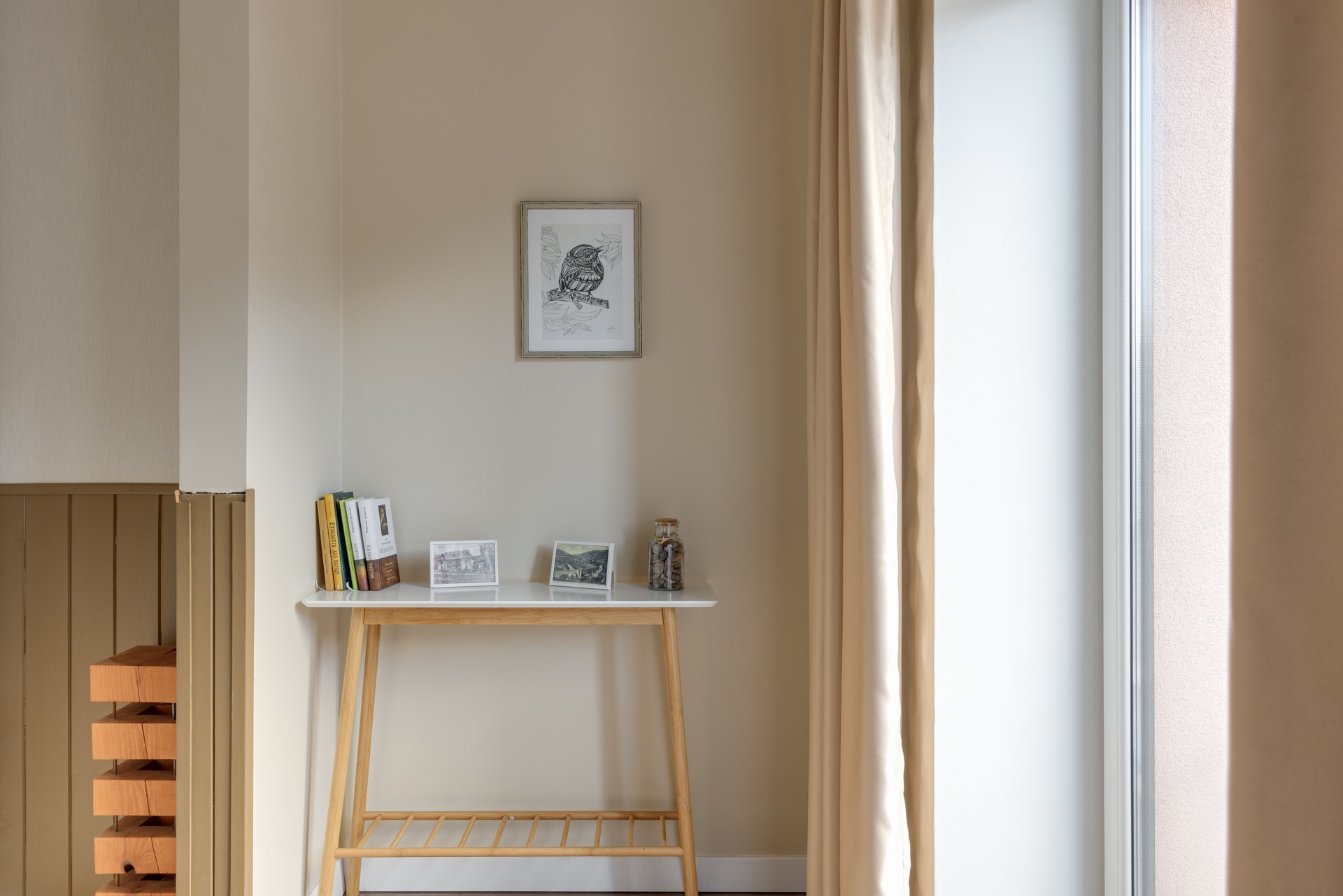
Elegant minimalist interior design featuring a wooden sideboard and armchair with greenery, illustrating What Does Feng Shui Say About Broken or Unused Objects

What does feng shui say about broken or unused objects? The tradition holds that broken items and things that sit unused represent stagnant chi (qi) — energy that is stuck rather than moving. Practitioners commonly advise repairing, using, or removing such objects rather than storing them. No outcome is promised; the claim is about the … Read more
What Does Feng Shui Say About Houseplants and Air Quality?

Elegant minimalist interior design featuring a wooden sideboard and armchair with greenery, illustrating What Does Feng Shui Say About Houseplants and Air Quality

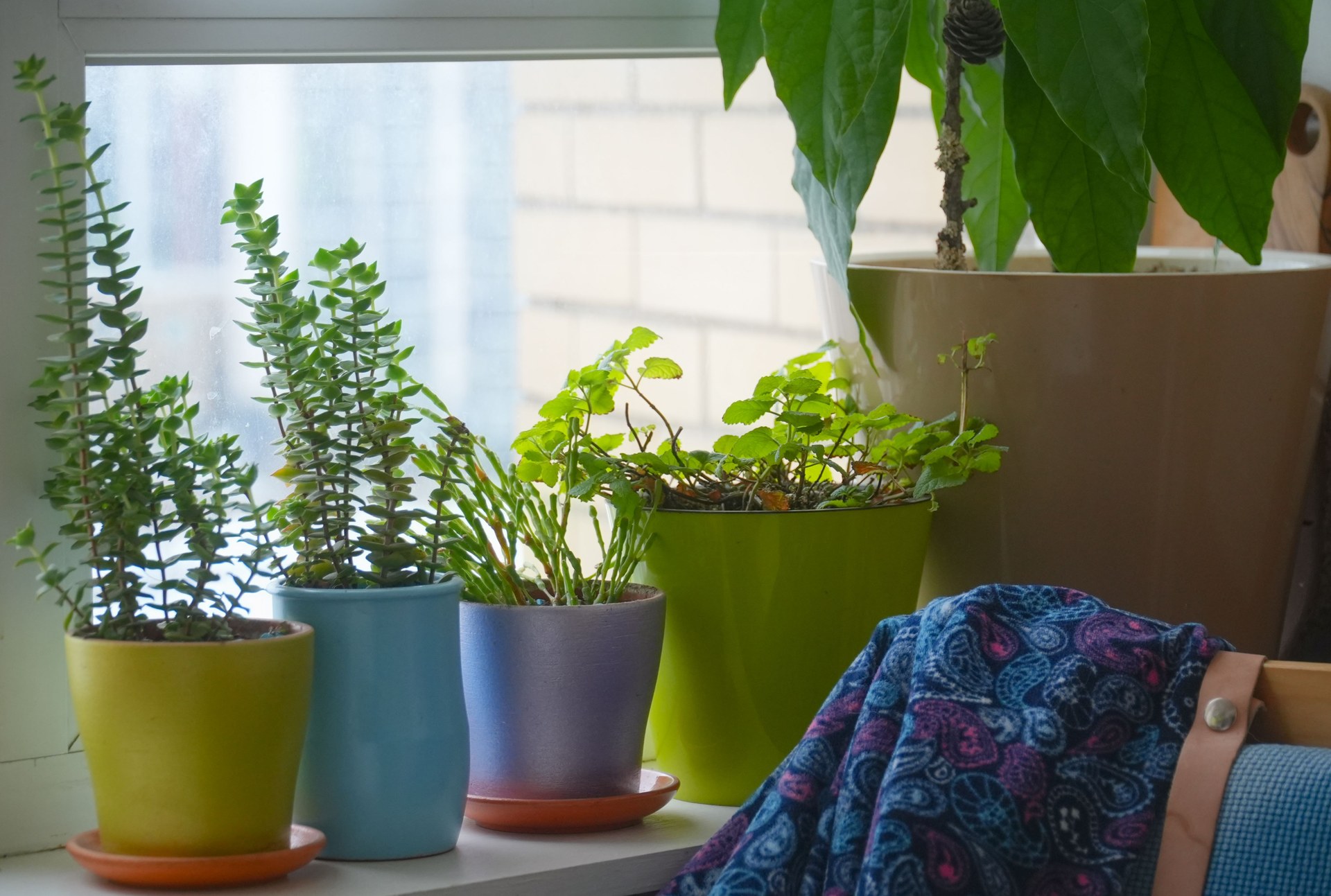
Feng shui treats houseplants as living chi — a sign of growth, health and attention in a room — rather than as air-filtration equipment. Claims that houseplants meaningfully clean indoor air come from a specific, often misread scientific study, not from feng shui texts. The two ideas point in a similar direction but come from … Read more

Feng Shui and Books: What Open Shelving Really Means

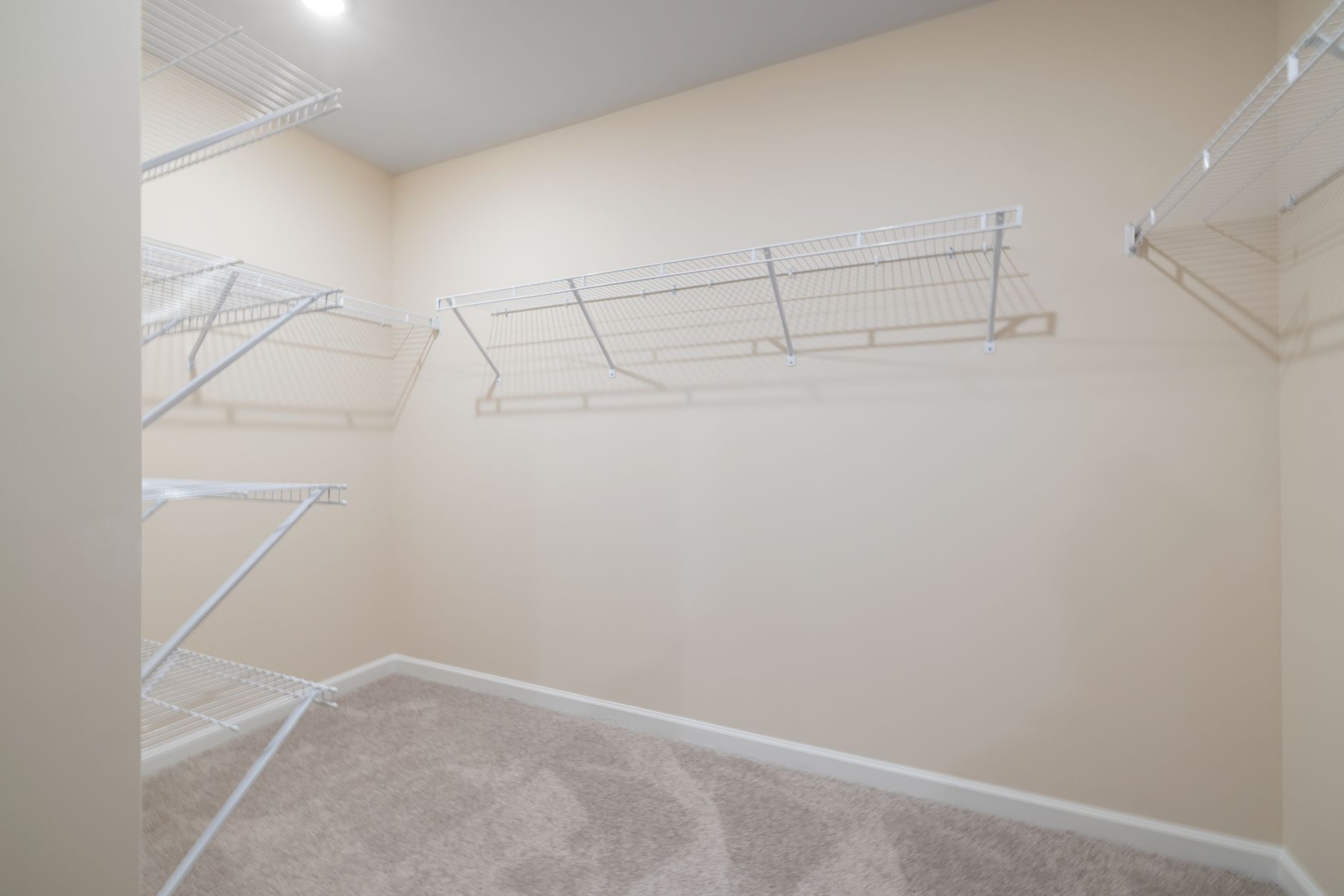
Empty walk in closet featuring wall mounted wire shelving, perfect for organization, illustrating Feng Shui and Books: What Open Shelving Really Means

Feng shui treats books mainly as Wood element objects that carry information and stored thought, and treats open shelving as neutral furniture whose effect depends on tidiness, height, and position rather than on the shelving itself. A crowded, dusty, or precariously stacked shelf is read as stagnant chi; a sorted, accessible one generally is not. … Read more

Which Materials Are Associated With Which Element in Feng Shui?

Elegant minimalist interior design featuring a wooden sideboard and armchair with greenery, illustrating Which Materials Are Associated With Which Element in Feng Shui

In feng shui’s five-element system (Wu Xing), wood is represented by timber and plant fibre, fire by candles and triangular or pointed forms, earth by ceramic, brick, and stone, metal by iron, brass, steel, and other metals, and water by glass, mirrors, and anything reflective or fluid. These are correspondences drawn by tradition, not properties … Read more