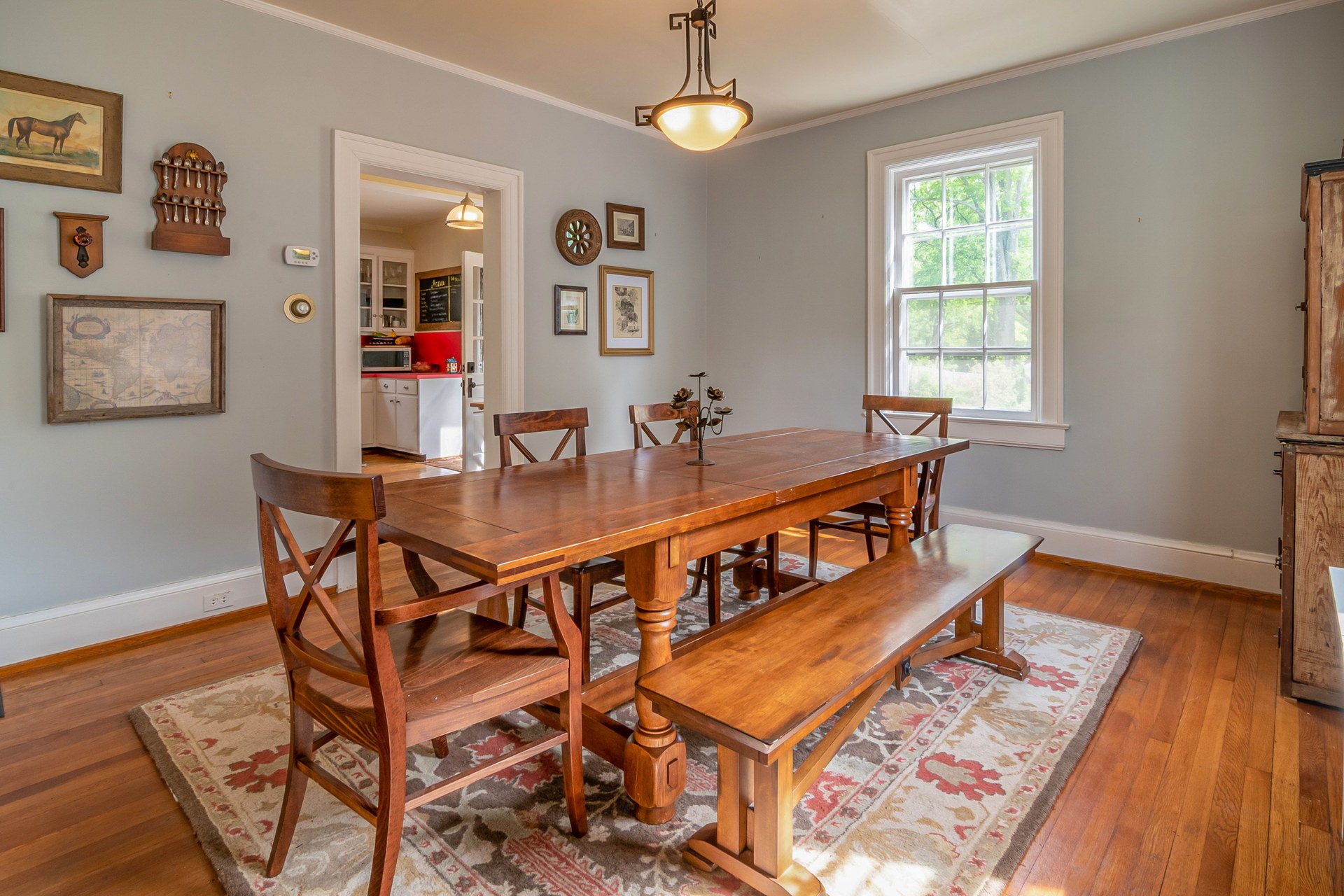
Feng shui treats rugs and floor coverings as material choices governed by the five-element system, and as physical objects governed by ordinary household caution. A rug’s colour and pattern are read for the element they carry — fire, earth, metal, water or wood — while its placement is judged mainly on whether it sits flat, covers a doorway cleanly, and doesn’t create a trip hazard near a bed, stair, or entrance.
What does feng shui actually say about rugs and floor coverings?
There is no single classical chapter devoted to rugs. Floor coverings are addressed indirectly, through the broader logic of the five elements and through Form School’s concern with obstruction and smooth movement through a room. Most of what circulates online as “feng shui rug rules” is a mix of BTB (Black Sect Tantric Buddhist) colour associations layered onto older Compass School element theory, and it’s worth knowing which is which before applying either.
Classical Compass School (Liqi) texts discuss the five elements — wood, fire, earth, metal, water — as they relate to direction, colour and material, and a rug can be read the same way a wall colour or a piece of furniture is: by what it’s made of and what colour it carries. Form School (Xingshi), older and more concerned with the shape and flow of physical space, cares less about a rug’s colour and more about whether it interrupts a walking path or bunches at a doorway.
Why does material matter more than the object itself?
In the five-element system, a rug is not judged as “a rug” so much as an expression of whatever material dominates it — wool, cotton, jute, silk, or a synthetic fibre — and the colour dyed into it. The full breakdown of which materials sit under which element is covered in this site’s guide to materials and the five elements, but the short version for floor coverings is straightforward.
- Natural plant fibres such as jute, sisal and rattan-weave rugs are generally placed under wood.
- Wool and cotton, being animal or plant-based but often processed and dense, are commonly read as earth, particularly in neutral or warm tones.
- Silk, with its sheen and refinement, is sometimes associated with metal in BTB-influenced writing, though classical texts don’t single silk out this specifically.
- Deep blue or black coverings are typically read as water; red, orange or strong pink as fire.
None of this is a fixed rulebook agreed on across schools — it’s the same productive and destructive relationships described in the site’s guides to the productive cycle and destructive cycle of the five elements, applied to what happens to be underfoot rather than on a wall.
What do rug colours and patterns mean in feng shui?
Colour is read by element, and pattern is read mostly by Form School logic — does the design point, jab, or clutter the eye, or does it sit calmly.
A rug with sharp zigzags, arrow-like chevrons, or aggressive geometric points aimed at a bed, a desk, or the main seating position is sometimes discussed the way sharp furniture corners are — as a visual “poison arrow,” a concept explained fully in this guide to poison arrows in feng shui. The concern is the same one applied to sharp corners on furniture: a line that visually points at where a person sits or sleeps is considered unsettling, whether or not that reading has any measurable effect.
Busy, high-contrast patterns are also discussed in terms of yin and yang balance — a topic covered in more depth in what yin and yang actually mean in a room. A very active pattern in a bedroom is sometimes considered too yang for a space meant for rest; a flat, monochrome floor in a room meant for conversation is sometimes considered too yin. Neither claim is testable, and the site presents it as tradition, not fact.
Does a rug’s shape matter?
Shape is discussed far less than colour or material, but round and oval rugs are sometimes preferred under round tables for the same symmetry reasoning applied to dining table shapes — a matched shape reads as settled, an unmatched one as slightly off. Rectangular rugs under rectangular furniture follow the same idea. No school treats this as more than a minor visual-harmony preference.
Where should a rug go — and where shouldn’t it?
Placement is where Form School’s practical concerns and household common sense line up most closely.
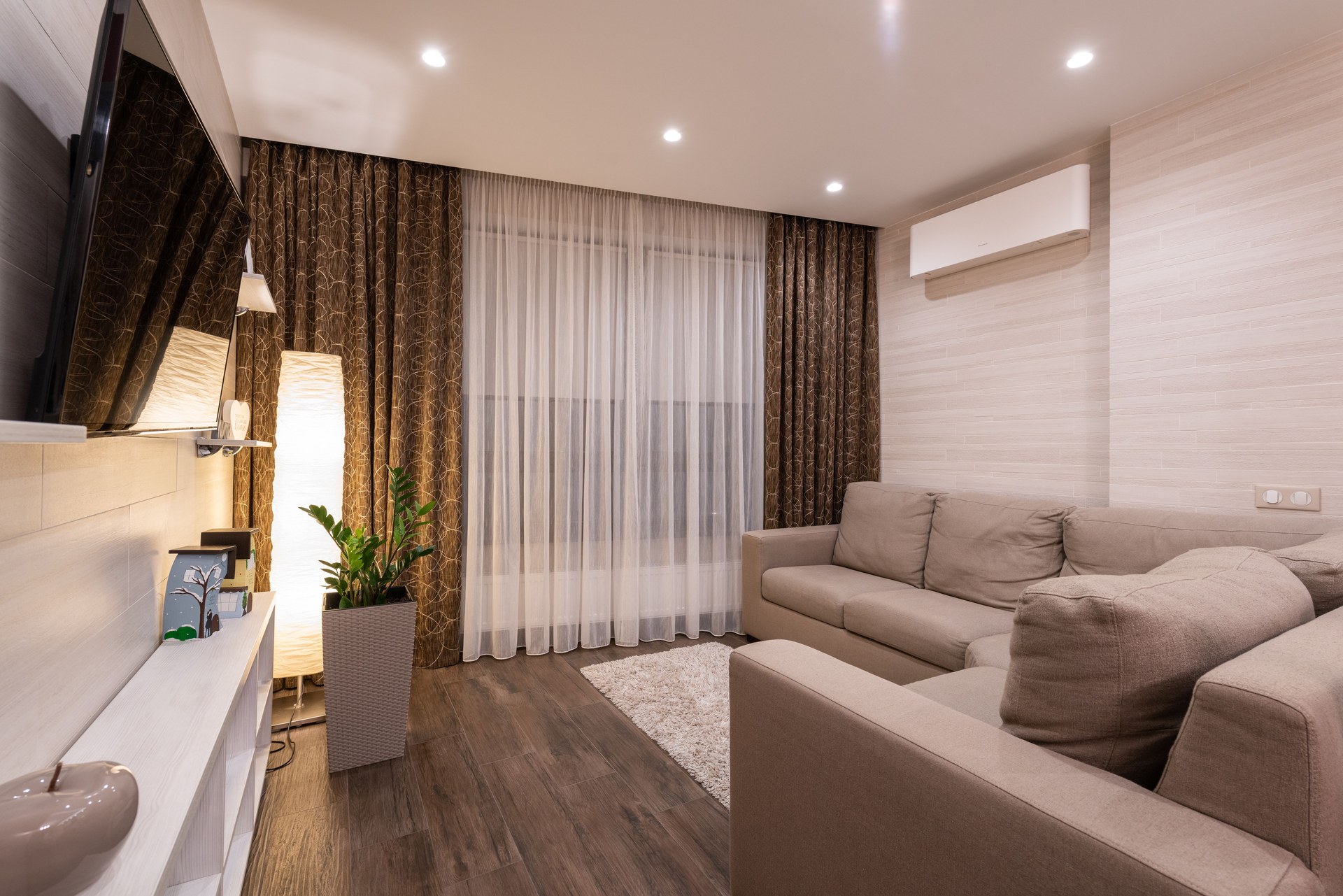
- Under a bed: a rug that extends a reasonable distance on either side of the bed is generally considered grounding, in keeping with the idea of a bed needing a settled, anchored feel discussed in the guide to where the bed should go in a bedroom.
- Under a dining table: a rug that is too small, so chairs constantly catch its edge when pulled out, is treated as a circulation problem rather than a symbolic one — the same reasoning behind advice on how furniture placement affects circulation in a home.
- In an entryway: a mat or small rug just inside the front door is widely discussed in relation to the “mouth of chi,” the term for the front door explained in this guide to the mouth of chi. A worn, torn or curling mat at this spot is generally advised against — visually and physically, it suggests neglect right at the point chi is said to enter.
- In a hallway: a runner that is too long, bunches, or curls at the edges is treated as an obstacle in the Form School sense, tied to the same concerns raised in the guide to narrow hallway fixes.
A rug that lies flat, doesn’t slide, and doesn’t extend into a doorway swing is consistently favoured across schools — for the ordinary reason that a rug someone can trip on is a hazard regardless of what tradition says about it. This is a genuine safety matter, not a symbolic one, and this article is not safety or health advice; anyone concerned about slip risk, particularly for elderly residents or young children, should look at proper non-slip backing and secure fitting rather than feng shui guidance.
Do rugs affect the flow of chi in a hallway or entrance?
The claim made, mainly in BTB-influenced writing, is that a hallway or entrance is a channel for chi and that a rug can either help that movement feel smooth or interrupt it. Classical Compass School texts don’t frame hallways this way at all; they’re more concerned with the direction a home faces relative to the compass than with what covers the floor inside it. The practical version of this claim — that a runner should lie flat, not force a narrow walkway to feel narrower, and not clash so violently in colour that it visually chops up a passage — is covered in the broader hallway feng shui guide and the archive on entrances and flow.
What about natural fibres versus synthetic ones?
Natural fibre rugs — wool, cotton, jute, sisal — are generally preferred in feng shui writing on the reasoning that they carry the wood or earth element more clearly and read as more “alive” than synthetic fibres. There is no claim in classical texts that a synthetic rug is harmful; the preference is aesthetic and elemental, not medical. Readers with concerns about allergens, dust mites or off-gassing from synthetic materials should treat that as a separate, genuinely health-related question and consult manufacturer information or a medical professional rather than feng shui sources, since this site does not give health advice.
Is there a practical reason behind any of this?
Some of it, yes. A flat, well-fitted rug that doesn’t bunch is a walking-path improvement in any home, feng shui or not. A rug that visually anchors a seating group — the same idea behind where a sofa should go in a living room — genuinely helps a room read as arranged rather than scattered, because furniture floating on bare floor with no unifying element can look unplanned. A worn mat at a front door is a maintenance issue whether or not anyone believes in a “mouth of chi.”
Where the claims move into colour symbolism, pattern “arrows,” or the idea that a specific rug material invites a specific outcome, no practical mechanism is offered beyond the tradition itself, and the tradition should be read as exactly that — a tradition, not a set of established facts. For readers building out a room from the floor up, the broader Objects and Materials archive and Layout and Furniture archive cover how these smaller material choices sit inside the wider system.
About this site. Feng Shui Pack explains what the feng shui tradition holds and which school holds it, from published sources. Feng shui is a tradition of placement and orientation, not a science: nothing here will bring you wealth, health, luck or a relationship, and we never claim otherwise. Where a suggestion has an ordinary practical reason — daylight, airflow, sightlines, less clutter — we say so; where it does not, we say that too. This is not medical, financial, legal or tenancy advice. If a decision matters, talk to a professional in that field.