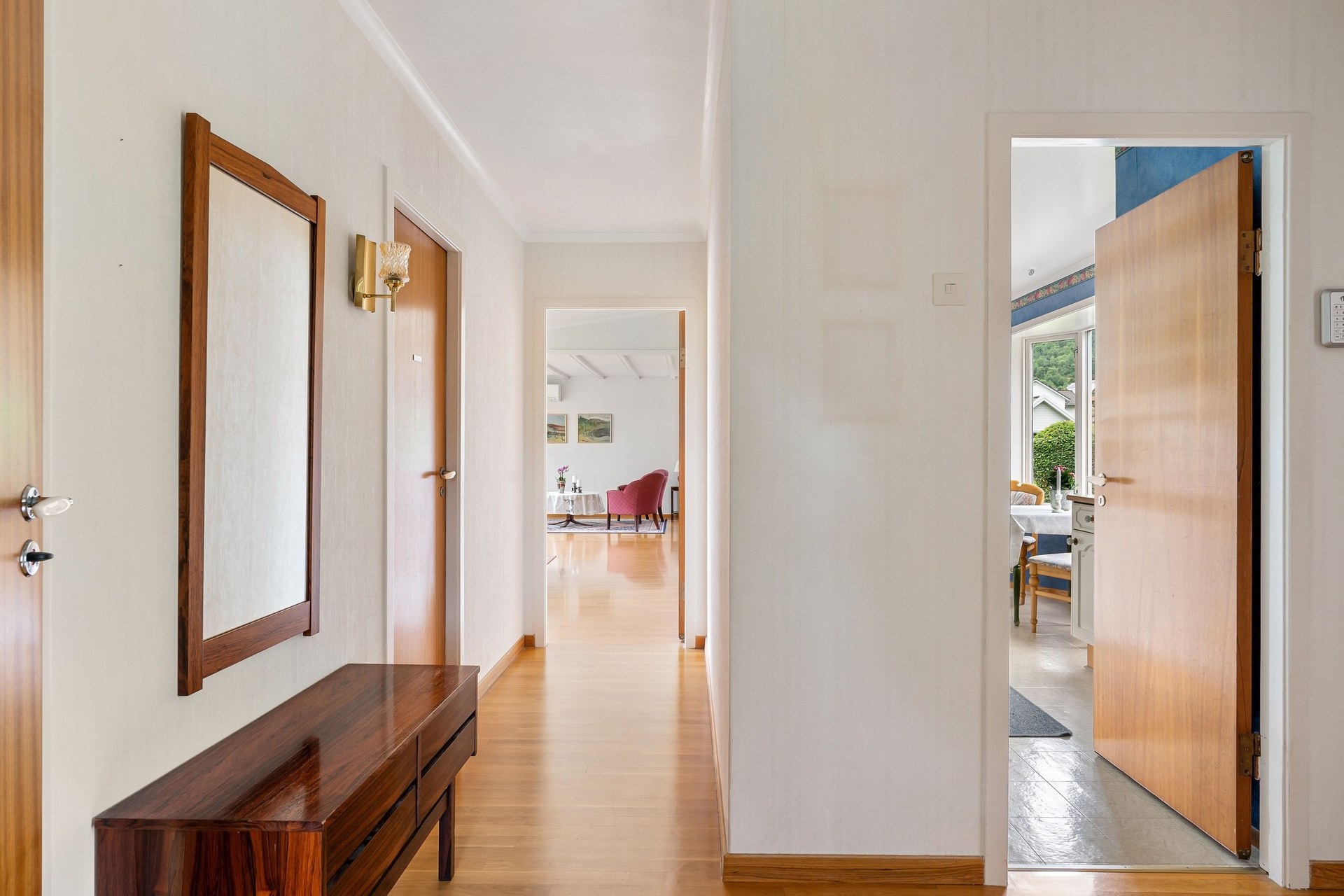
Furniture placement affects circulation by either leaving clear paths between doorways, seating and windows, or blocking them. Feng shui frames this as chi (qi) — energy flow — moving unobstructed through a room; interior designers frame the same physical layout in terms of sightlines, traffic paths and ease of movement. The practical effect described is often the same.
What does “circulation” mean here?
In ordinary design language, circulation is the route a person actually walks to get from one point in a room to another — door to sofa, kitchen to table, hallway to bedroom. In feng shui, the same physical route is described as the path chi takes through a space. What is chi and what “energy flow” is said to mean in this tradition is a separate question from whether a path is walkable, but the two descriptions frequently point at the same layout problem: a chair, table or cabinet placed where a person would otherwise walk.
How does furniture create obstacles to movement?
The most direct way is by narrowing or blocking a route that would otherwise be the shortest, most obvious way through a room. A sofa positioned so its arm juts into a doorway path, a dining chair pushed back into a walkway, or a coffee table set too close to a sofa edge all force a person to divert, turn sideways, or step around something at each pass. Practically, this is simply inconvenient and, over enough repetitions, mildly hazardous — a stubbed toe or a tripped rug corner. Feng shui commentary tends to describe the same obstruction as chi being “blocked” or “stagnant,” but the underlying observation — that the object is in the way — does not require the tradition to be useful.
Large pieces closest to a main entrance or a frequently used interior doorway matter most, because that is where the highest volume of foot traffic actually occurs. A cluttered or obstructed route near a front door is a specific concern in feng shui’s objection to a cluttered entrance, and the same logic — first impression, first bottleneck — applies to any interior threshold that gets crossed often.
What is the commanding position, and how does it relate to placement?
The commanding position is a recurring idea, most associated with the BTB adaptation of feng shui, that a bed, desk or major seat should be placed where its occupant can see the room’s entrance without being directly in line with it. It is discussed at length in what the commanding position is and why it recurs across so much English-language advice.
The rule has an ordinary design rationale independent of any tradition: a person seated with their back to a doorway cannot see who or what enters, which is a mild but real source of unease noted in environmental psychology as well as in feng shui writing. Furniture placement that supports this — a sofa angled to face the room’s main entry, a desk positioned so the door is visible without being squarely opposite it — serves both the practical goal (visibility, no startling) and the feng shui one (a clear, commanding view of incoming chi) at the same time, which is one reason the rule persists across otherwise very different schools.
How do doorways and walkways interact with furniture?
Doorways are treated as significant in almost every feng shui school, though for different reasons — Form School concerns itself with the shape and direction of the approach, Compass School with the compass orientation of the opening, and BTB with the door as the notional starting point for laying the bagua map onto a room, a method explained in how a bagua map is oriented to a home. All three, however, converge on a plain point: furniture placed directly in a door’s swing or in the direct line between two doors interrupts movement.
Two doors facing each other across a short distance is a specific configuration with its own body of commentary, covered in what feng shui actually says about two doors facing each other. A narrow hallway compounds the problem, since there is little room to route around an obstruction once one exists — a subject addressed directly in narrow hallway feng shui fixes and in the broader guide to how a hallway should be treated.
Does sharp-edged furniture matter, or only its position?
Feng shui commentary distinguishes between an object being in the wrong place and an object presenting what is called a “poison arrow” — a straight, sharp edge (a shelf corner, a table edge) pointed at a seat, bed or doorway. This is explained in what a poison arrow is in feng shui. The circulation question and the poison-arrow question are related but distinct: a table can be perfectly placed for walking around and still be described in this tradition as pointing an edge at a doorway. No practical rationale beyond the tradition itself is generally offered for the edge concern, unlike the walkway concern, which has an obvious physical basis.
Does furniture placement affect circulation the same way in every school?
No, and this is worth being explicit about, since much circulation advice online is presented as if it were universal. Form School’s attention to layout is rooted in the physical landscape tradition — the shape of hills, water and, by extension, the “landform” of a room’s walls, doors and furniture blocks. Compass School layers in directional calculation using a luopan compass, discussed in what a feng shui compass is and whether one is needed, which can recommend furniture positions based on the home’s facing direction rather than on the room’s traffic pattern at all. BTB, the version most common in Western books and blogs, generally skips compass calculation and works from the entry door, which is why so much popular “clear a path” advice reads as universal when it is really one adaptation’s method. The difference between these approaches is laid out in Form School versus Compass School and in what BTB feng shui is, and why it spread.
How can a household check circulation in its own rooms?
A layout can be checked without any reference to feng shui at all, simply by tracing the routes actually used:
- Walk the direct line from each doorway to the next most-used point in the room — a sofa, a bed, a stove — and note anything that has to be stepped around.
- Check whether a door can open to its full arc without meeting furniture.
- Look at the widest, most direct path across a room and ask whether furniture narrows it to less than a comfortable single-file width.
- Note any large piece — a cabinet, a sideboard, a dining chair pushed out — sitting in a hallway or a threshold rather than fully inside a room.
These are the same checks a designer would run for accessibility and safety, and they are also, in feng shui’s own vocabulary, checks for where chi is said to be obstructed. Where a home has a fixed structural issue — a load-bearing layout that cannot easily be changed, a sloped ceiling, an oddly placed staircase — the practical options are narrower, and pieces like a staircase facing the front door or a sloped ceiling bedroom address those specific constraints directly.
Does furniture placement matter differently by room?
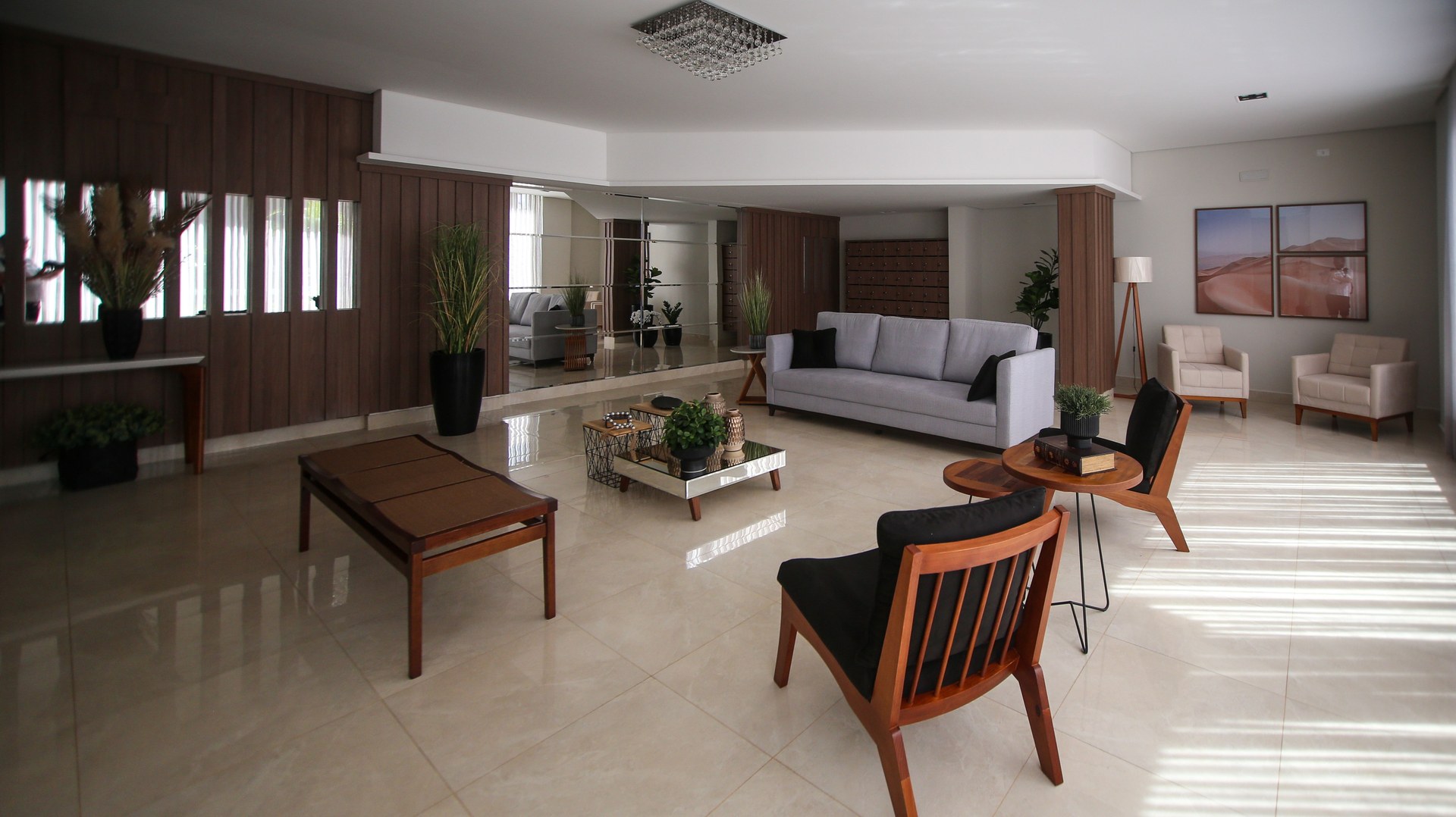
Circulation demands differ by function, which is why room-specific advice tends to be more useful than a single rule for the whole home. A living room needs a path to and past the seating area without cutting across sightlines to a television or a conversation grouping, covered in how a living room should be arranged for conversation and where a sofa should go in a living room. A hallway has almost no other function than circulation, which is why its treatment is a distinct topic on its own. The full room-by-room archive and the layout and furniture archive cover these differences room by room rather than as one general rule, and the entrances and flow archive deals specifically with doorways, thresholds and the paths between them.
Is any of this a safety or structural recommendation?
No. This article describes a widely repeated design idea and the feng shui vocabulary used alongside it; it is not fire-safety, building-code or accessibility advice. Anyone with a specific concern about escape routes, doorway widths for mobility equipment, or structural changes to a room should consult a qualified architect, occupational therapist or the relevant local building authority rather than general online guidance.
About this site. Feng Shui Pack explains what the feng shui tradition holds and which school holds it, from published sources. Feng shui is a tradition of placement and orientation, not a science: nothing here will bring you wealth, health, luck or a relationship, and we never claim otherwise. Where a suggestion has an ordinary practical reason — daylight, airflow, sightlines, less clutter — we say so; where it does not, we say that too. This is not medical, financial, legal or tenancy advice. If a decision matters, talk to a professional in that field.