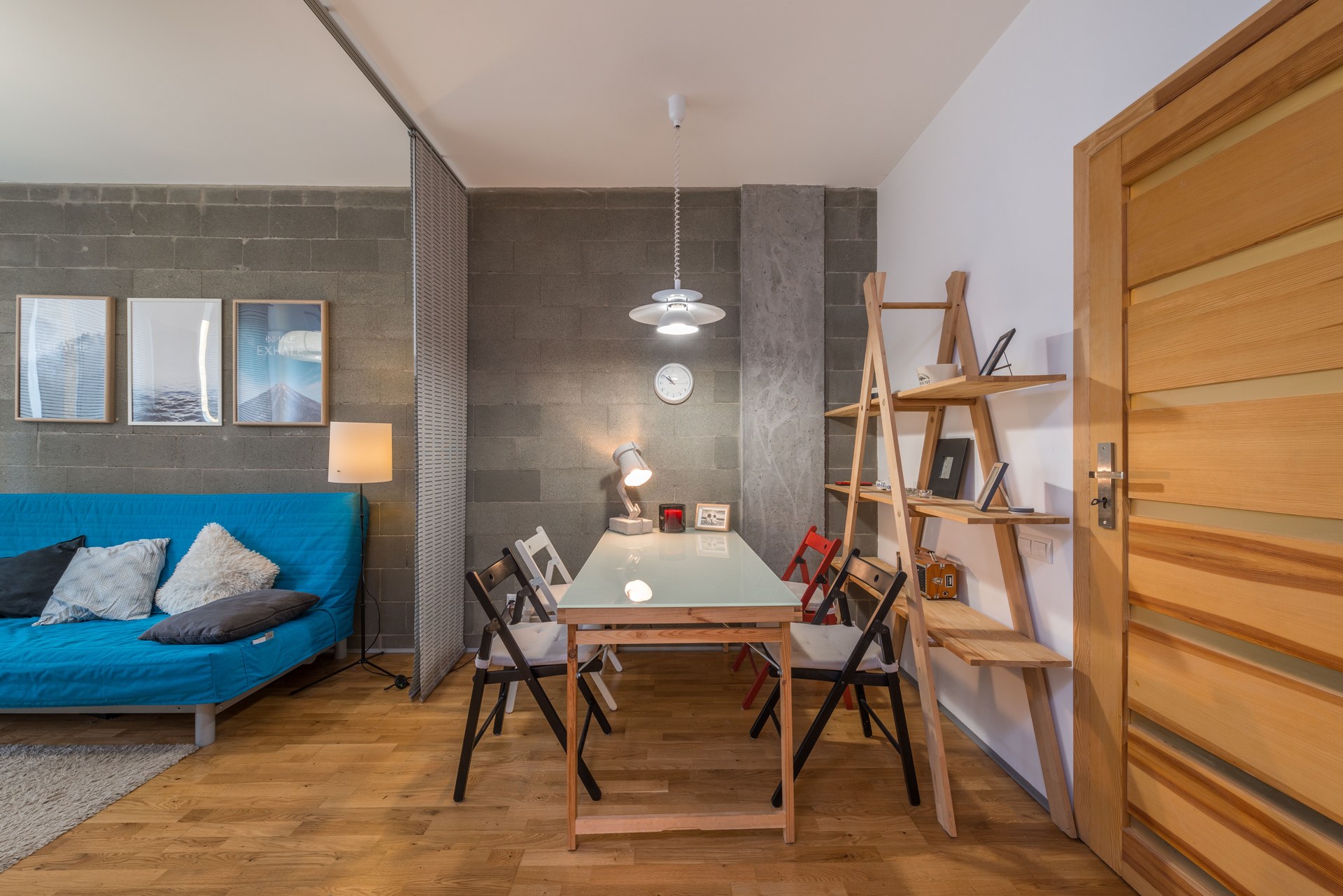
In a shared house, feng shui works at two separate scales, not one. The private bedroom can be arranged fully, the way any single-occupant room is treated in the tradition. The communal areas — hallway, kitchen, living room, bathroom — belong to everyone, and no single housemate can apply a full bagua overlay or move shared furniture without agreement. The practical advice differs accordingly.
What changes when feng shui is applied in a shared house?
The main change is jurisdiction. Classical Form School (Xingshi) reasoning about a house assumes one household controls the whole structure — one front door, one set of residents whose chi is said to move through it as a unit. A shared house breaks that assumption: several unrelated people cross the same threshold, sleep in different rooms, and have no shared say over the sofa or the kitchen table. Most English-language “feng shui your home” advice, including the popular Western Black Sect (BTB) bagua-from-the-front-door method, is written for that single-household case and does not address multi-tenant living directly.
A workable approach treats the private room as the zone where a resident has full authority, and the communal areas as a shared, negotiated space where only the more general, uncontroversial suggestions — reducing clutter, keeping the entrance clear, improving air flow — are realistic without a group conversation.
Can you feng shui just your own room?
Yes, and this is where most of the practical value sits. Within a single bedroom, a resident can apply the same principles used for any small or single-purpose room: a bed placed so the door is visible without lying directly in line with it, a desk positioned with a view of the entrance, clutter kept off the floor, and clear sightlines from the bed to the window and door. This is the commanding position in Form School terms, and it rests on an ordinary practical logic — not being startled by someone entering — as much as a symbolic one.
Where a bedroom in a shared house also has to serve as a living space, since communal rooms are less controllable, the advice for separating sleeping and living areas in one room is directly relevant, as is guidance for a studio apartment, which faces the same problem of one room doing several jobs.
What about the shared entrance and hallway?
The front door and hallway of a shared house are used by everyone in the property, which is precisely the point classical texts make about a household’s main entrance — described as the point where chi is said to enter the home, sometimes called the “mouth of chi.” Where several unrelated tenants use one door, there is no single household bagua to map from it in the BTB sense; the more workable reading is simply that a cluttered, blocked, or badly lit shared entrance affects every resident’s first and last impression of the day, which has an ordinary basis independent of any school.
A hallway crowded with several people’s shoes, bikes and post is the most common shared-house entrance problem, and the practical fixes overlap heavily with the advice on entrances and flow generally and on a home with no hallway at all, a layout many converted shared houses have.
How should communal areas like the kitchen and living room be handled?
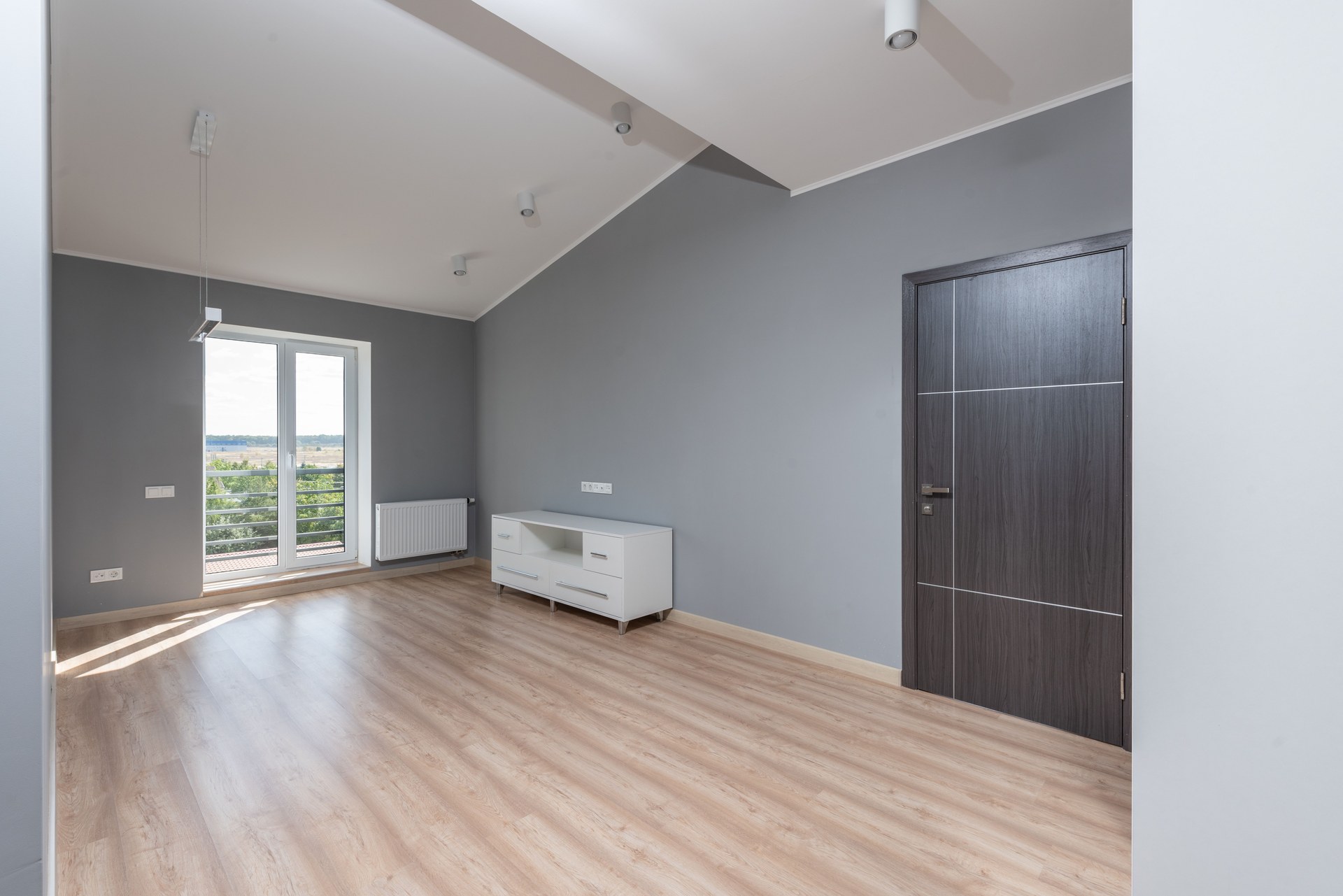
Communal rooms in a shared house are, by definition, jointly used, and no single resident can rearrange furniture, repaint a wall or install a mirror without the agreement of whoever else lives there. The realistic scope of feng shui advice in these rooms is limited to what does not require ownership or unilateral change: keeping surfaces clear of accumulated clutter, making sure seating allows people to see the door rather than sit with their back to it, and not letting circulation paths get blocked by furniture pushed into the middle of the room.
For guidance that assumes a communal, multi-user room rather than a private one, the archive on layout and furniture and on room by room arrangement covers kitchens and living rooms in more detail than a shared-house context alone allows.
Does sharing a bathroom change the advice?
A shared bathroom is used more heavily and by more people than a private one, so the standard advice about keeping the bathroom door closed and the toilet lid down — a Form School point about not letting chi “drain away” through plumbing, with no practical mechanism claimed beyond the tradition itself — is arguably easier to justify on ordinary grounds in a shared house: a closed door and closed lid keep steam, smell and noise contained in a room several households use in sequence. The guidance on the bathroom door covers this in more detail.
What about noise and clutter from housemates?
Noise and clutter are the two disruptions a shared house cannot avoid, since neither is fully within any one resident’s control. Feng shui treats both as disturbances to a settled, restful chi rather than as items to eliminate outright, and the practical response is usually about containment rather than confrontation: a closed bedroom door, a rug or curtain to absorb sound, personal belongings kept inside one’s own room rather than spread through communal space. The reasoning is set out at greater length in the guides to noise and to why clutter is treated as the first problem in every school, both of which apply directly to a household where several people’s habits overlap in one space.
Can feng shui rules be applied without housemates agreeing?
Only within a resident’s own room and their own possessions. Anything that touches shared furniture, shared walls, or a landlord’s fixtures is not a unilateral decision, and this is true regardless of which school’s reasoning is being applied. A tenant in a shared house has the same constraints as any renter — no structural changes, no repainting without permission, no moving furniture that belongs to a landlord or another tenant — and the site’s guidance on renting and things you cannot change is written for exactly this situation. This is a note on general practice, not tenancy law; questions about what a lease permits should go to the tenancy or letting agreement itself, or to a housing advice service, not to feng shui guidance.
What feng shui cannot fix in a shared house
Feng shui has no view on rent splits, chore rotas, guest policies or interpersonal conflict between housemates, and no source in any school claims otherwise. Where an online article suggests a mirror, plant or object will resolve tension between housemates or “harmonise” a household, that claim goes well beyond what any tradition documents — the piece on what to ignore in most online feng shui advice covers this pattern in more detail, and the discussion of why consultants disagree with each other is a useful reminder that even practitioners within the tradition do not always agree on where its scope ends.
What a shared-house resident can realistically do is manage their own room properly, keep their share of communal space clear and functional, and treat the rest as a negotiation with the people they live with — which is outside what any school of feng shui was written to solve.
About this site. Feng Shui Pack explains what the feng shui tradition holds and which school holds it, from published sources. Feng shui is a tradition of placement and orientation, not a science: nothing here will bring you wealth, health, luck or a relationship, and we never claim otherwise. Where a suggestion has an ordinary practical reason — daylight, airflow, sightlines, less clutter — we say so; where it does not, we say that too. This is not medical, financial, legal or tenancy advice. If a decision matters, talk to a professional in that field.