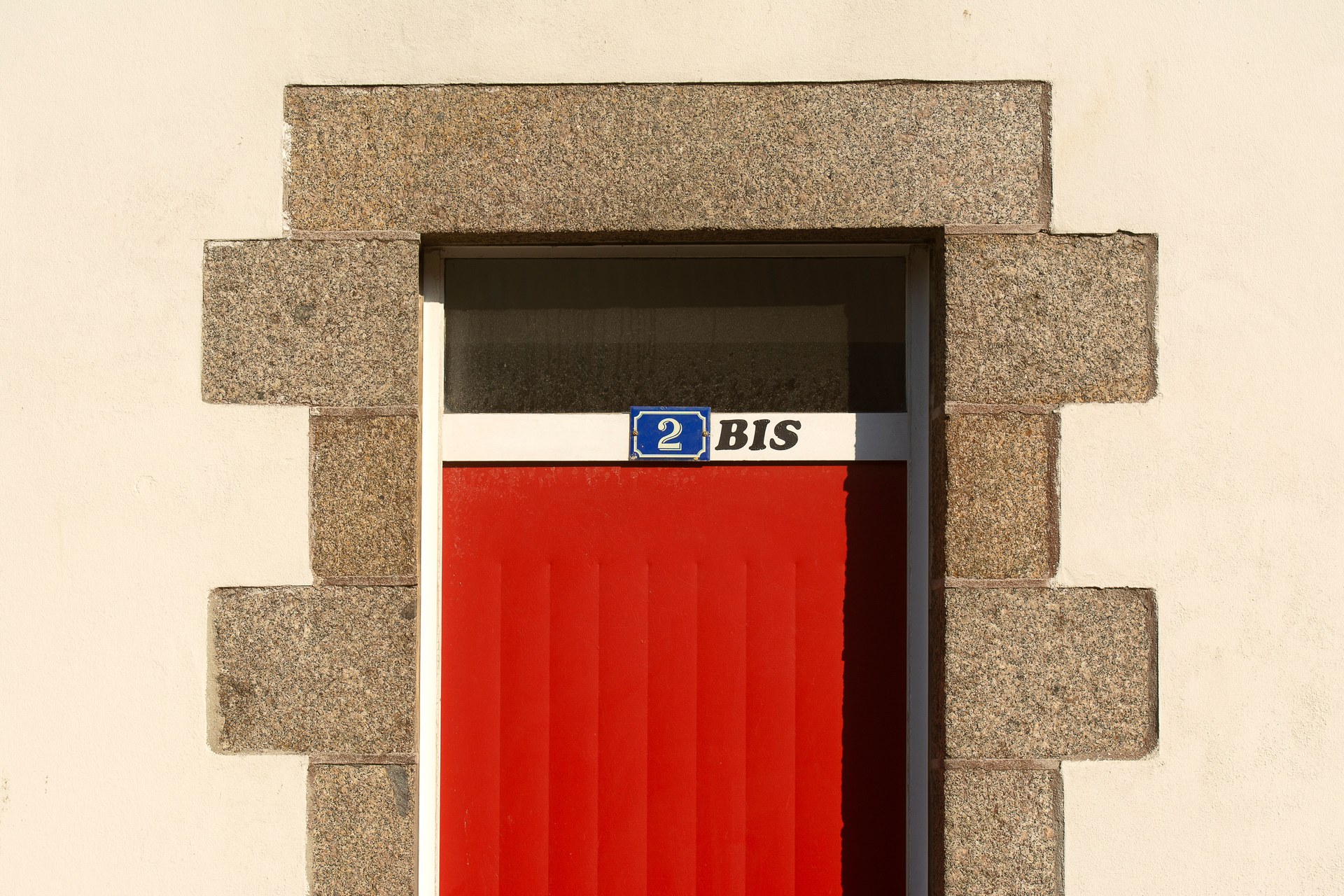
Classical feng shui — Form School and Compass School alike — has very little to say about the numeral on a house. What it studies is the shape of the land, the direction the door faces, and the flow of chi through the entrance. The idea that “4 is unlucky” and “8 is lucky” comes from a separate Chinese numerology tradition based on spoken homophones, not from feng shui’s own texts.
Does classical feng shui actually address house numbers?
Not directly. The core methods of Form School (Xingshi) and Compass School (Liqi) evaluate a building’s orientation, the landform around it, and — in Compass School’s Flying Star system — the period in which it was constructed. None of these methods assign meaning to the printed number on a gate or door. A Compass School reading of the same address changes with the compass direction the front door faces and the year the building was completed, not with whether the street number ends in a particular digit.
What classical texts do discuss at length is the entrance itself — its position, its width, what it faces, and whether chi can move through it without obstruction. That is a genuinely load-bearing part of the tradition, covered in detail in pieces on the front door as the “mouth of chi” and the approach to a house. The numeral fixed to the door frame is incidental to all of it.
Where does the 4-and-8 superstition actually come from?
It comes from spoken Chinese, not from feng shui manuals. In Cantonese and Mandarin, the word for “four” (四, sì) sounds close to the word for “death” (死, sǐ), while “eight” (八, bā) sounds close to “prosper” or “generate wealth” (發, fā). This is a homophone association — a numerology of sound — and it is documented in Chinese linguistics and cultural studies, not in the classical feng shui canon.
Because the association is so widely held in Chinese-speaking communities, it shows up constantly in decisions that have nothing to do with feng shui proper: phone numbers, car number plates, wedding dates, and floor numbering in apartment blocks. Many buildings in Hong Kong, mainland China, Taiwan, and Chinese-majority cities elsewhere skip the fourth floor in numbering, the same way some Western buildings skip a thirteenth floor. That is a cultural numerology practice running in parallel with feng shui, and the two get conflated constantly in English-language articles that never name their source.
Is there any real-world evidence this affects house prices?
Some. Economists studying property markets in Chinese-majority cities — Hong Kong and parts of mainland China and Canada among them — have looked at whether addresses ending in 4 or 8 sell for statistically different prices, and several have found small measurable effects in the expected direction: a premium associated with 8, a discount associated with 4. This is a documented pattern in specific studies, not a universal law of real estate, and it varies by market, by how the number is displayed, and by the buyer population. A reader who wants the detail should look for the published research directly rather than take a secondhand summary at face value — this is a case where the tradition’s cultural weight is separate from any claim about outcomes for a given buyer.
None of this is investment advice, and Feng Shui Pack does not offer any. A house number’s effect on resale value, where it exists at all, is a market-behaviour question for an estate agent or property economist, not a design question this site is positioned to answer.
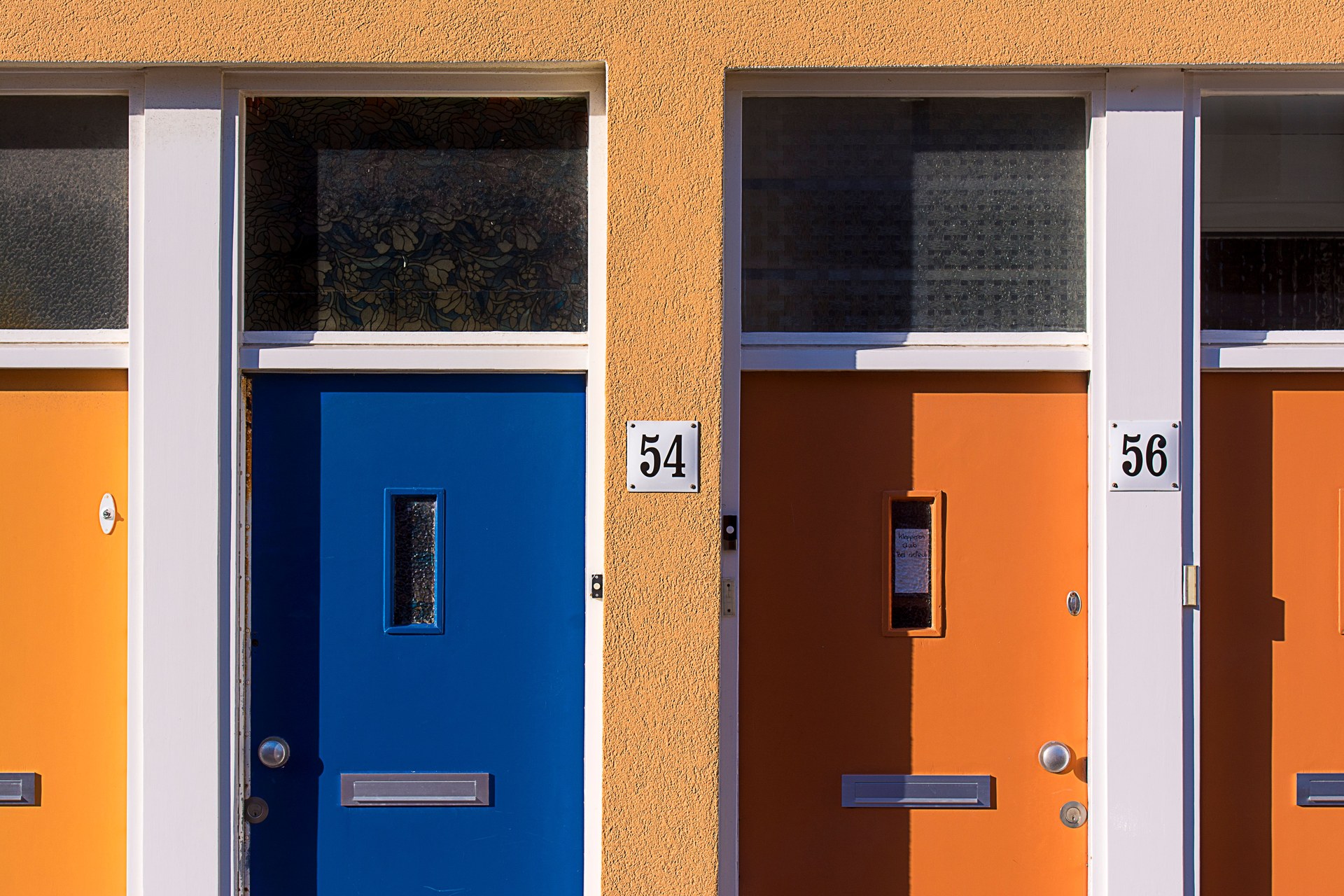
What about the “reduce the number to a single digit” method?
This is a separate method again, and it is worth naming clearly because so much online content presents it as feng shui without saying where it actually comes from. The technique — adding the digits of a house number together until a single digit remains, then reading that digit against a fixed list of meanings — is a Western numerology practice, closer to systems derived from Pythagorean and Kabbalah-adjacent numerology than to anything in Chinese Compass School astronomy. It is commonly bolted onto BTB (Black Sect Tantric Buddhist) adaptations of feng shui sold in the English-language market, but classical Chinese sources do not use it.
This matters for the same reason the site covers why feng shui consultants disagree with each other: three different traditions are being cited as if they were one, and a reader has no way to judge a claim without knowing which system produced it.
Does the number matter more than the door itself?
No — and this is where classical feng shui and the popular number lore actually part ways. Every serious school treats the entrance’s function, not its label, as the significant thing: whether the path to it is clear, whether it opens onto a straight run of stairs or a wall, whether it is visible and well lit, and what it faces. These are covered in detail in pieces on the path to the front door and front door colour, and in the broader entrance category.
A property with an “unlucky” number but a well-proportioned, unobstructed entrance is, in classical Form School terms, in a stronger position than a property with a “lucky” number and a blocked or awkward doorway. The numeral is a label; the entrance is a structure. Practitioners working in the classical tradition weight the second far more heavily than the first, and say so.
Should a buyer or renter avoid a house because of its number?
That is a personal decision, and this site does not make it for anyone. What can be said plainly is that a house number is not something a resident can change, and the tradition itself — in its classical forms — does not treat it as fixed or determinative the way popular numerology summaries imply.
Readers who are renting or buying and cannot change the number, the door, or the layout may find it more useful to read what feng shui says about renting and things you can’t change, which covers the tradition’s own guidance for fixed features: work with what can be adjusted — lighting, clutter, furniture position — rather than treat an immovable fact as a verdict on the whole property. This is not financial or legal advice on a purchase or tenancy; a solicitor, conveyancer, or letting agent is the right source for those questions.
Is buying a “lucky number” plaque or charm worth it?
Feng Shui Pack does not recommend purchases of this kind, in this article or any other. Where a tradition assigns meaning to a number, it is worth understanding what that meaning is claimed to be and where it comes from — homophone superstition, Western numerology, or a market-price effect measured by economists — and then deciding independently what weight, if any, to give it. The reasoning behind “buy this to fix the number” is addressed directly in why “buy this lucky object” is weak feng shui advice, and the same logic applies to a numeral as to a charm.
For a wider grounding in what each school of feng shui actually claims, and where popular advice departs from it, the feng shui basics hub sets out the distinctions between Form School, Compass School, and the BTB adaptation from the ground up. Readers sorting genuine tradition from repackaged content elsewhere online may also find what to ignore in most online feng shui advice useful as a general filter, since house-number lore is one of the most commonly mislabelled topics in the field.
About this site. Feng Shui Pack explains what the feng shui tradition holds and which school holds it, from published sources. Feng shui is a tradition of placement and orientation, not a science: nothing here will bring you wealth, health, luck or a relationship, and we never claim otherwise. Where a suggestion has an ordinary practical reason — daylight, airflow, sightlines, less clutter — we say so; where it does not, we say that too. This is not medical, financial, legal or tenancy advice. If a decision matters, talk to a professional in that field.