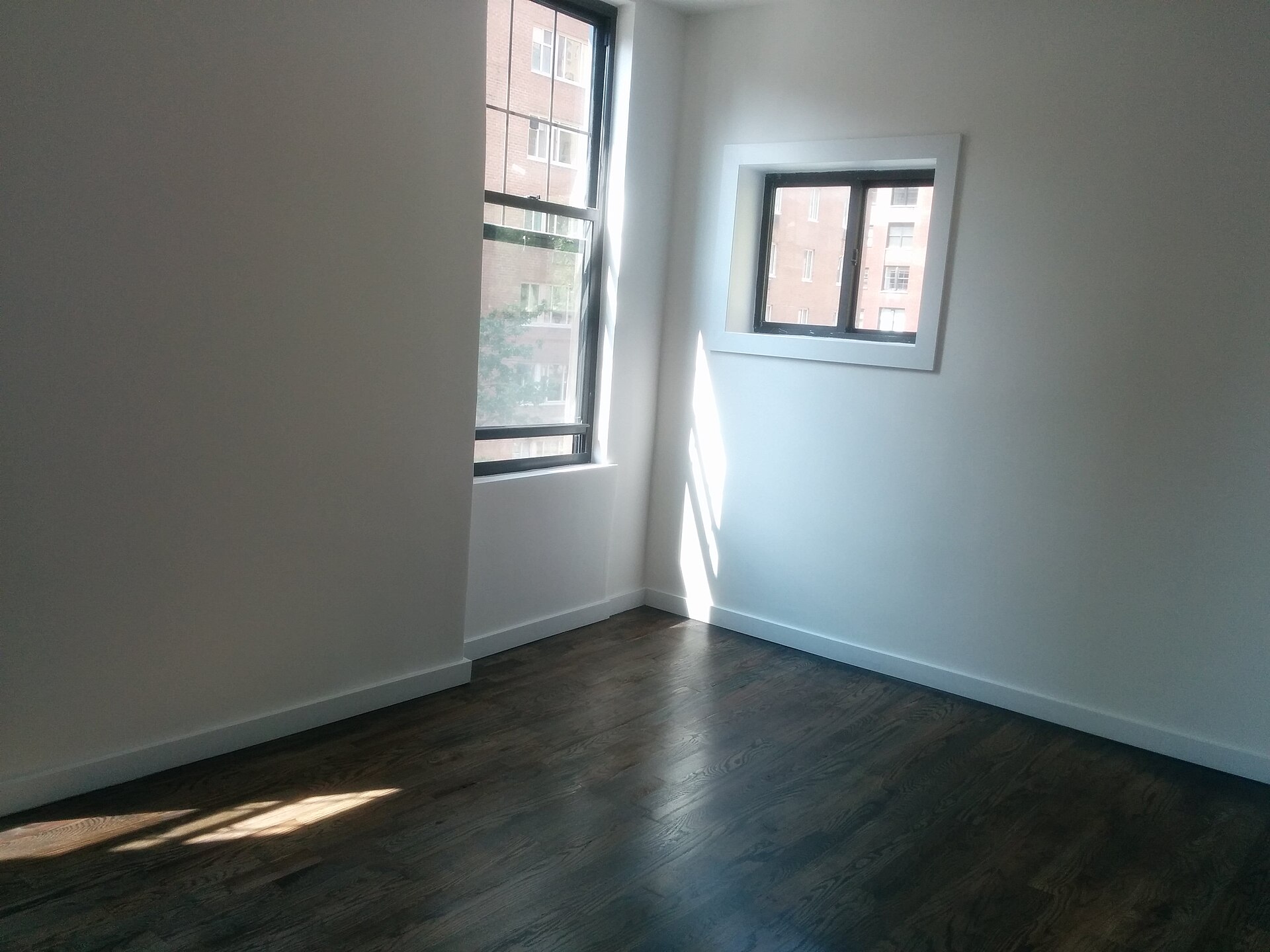
Feng shui does not treat a top-floor flat as good or bad in itself. Classical Form School reasoning is about exposure and shelter — a top floor has more light and less overlooking, but also more exposure to wind, heat and roof problems, and being at the top of a building is not the same as being protected by what is above it. Compass School and BTB practitioners add further readings, but none of them agree on a single verdict.
Does feng shui consider a top-floor flat good or bad?
Neither, as a blanket rule. In Form School (Xingshi) thinking, position within a building is read the same way as position on a hillside: what matters is what shelters a place and what exposes it. A top floor gains light and distance from street noise, but loses the sense of something solid sitting above it — traditionally read through the idea of the “black tortoise” at the rear or above a site, a symbol of support and protection.
This is a metaphor from siting whole houses on land, applied loosely to flats within a building. Applying it to an individual unit inside a multi-storey block is already an adaptation, and different practitioners adapt it differently. None of this constitutes a rule that top floors are unlucky.
What is the classical reasoning about a home having “support” above it?
The reasoning given is about protection and stability, not luck as an abstract force. In traditional siting, a house backed by a hill or a solid rise was considered protected from wind and exposed less to attack — a practical, defensive logic long before it became symbolic. Applied to an apartment building, some practitioners read the floors above a flat as playing a similar supporting role, so a flat with nothing above it is sometimes described as lacking that support.
Other practitioners reject this extension altogether, arguing that a roof, structurally sound and properly maintained, performs exactly the support a hill once did. There is no consensus text that settles this for apartment buildings, which did not exist when the core siting principles were written down. Readers should treat this as one interpretive layer, not settled doctrine — a point covered in more general terms on why feng shui consultants disagree with each other.
What practical issues does a top-floor flat actually raise?
Several ordinary, checkable issues recur regardless of school, and they are worth taking seriously independent of any symbolic reading:
- Heat gain in summer and heat loss in winter, since a top-floor flat usually has a roof rather than another dwelling above it, which changes insulation and cooling needs.
- Roof access, guttering and roof maintenance become the building’s responsibility, and a leak or repair affects the top floor first and hardest.
- Lift dependency is greater — a broken lift affects every floor, but the top floor has the longest stair climb as a fallback.
- Noise from the street usually drops with height, while noise from rooftop plant (lift motors, water tanks, ventilation units) can rise instead.
None of these are feng shui questions. They are structural and practical ones, and they belong in a survey or a conversation with the freeholder or managing agent, not in a reading of the flat’s chi. This article is not building, legal or financial advice; a structural survey and the relevant tenancy or leasehold documentation should come from a qualified surveyor or solicitor.
Does more light on a top floor matter to feng shui?
Yes, and this is one of the more practically grounded observations in the tradition. Daylight and airflow are treated seriously across every school of feng shui because a bright, well-ventilated room is easier to keep dry, easier to keep clear of stale air, and simply easier to live in day to day.
A top-floor flat is often less overlooked and gets more direct sun, particularly if it also has a roof terrace or sits under a lantern or skylight. The reasoning given for valuing this is not mystical — a room with good natural light and cross-ventilation needs less artificial correction, and the tradition’s preference for daylight over permanently drawn curtains or blinds follows the same logic covered in the site’s guide to why feng shui cares about natural light and in the broader Light & Air archive.
What does feng shui say about the staircase or landing leading up to a top-floor flat?
The approach to any flat matters more than its floor number. A long final flight of stairs, a dim landing, or a front door reached only after several turns are treated as circulation problems, not as verdicts on the building’s fortune.
In Form School terms, chi is said to move like air or water — it should be able to flow toward a front door without being forced through cramped, dark or obstructed routes. A top-floor landing with a working light, a door that isn’t wedged behind a fire door or bin store, and stairs kept clear of stored items reads, in this logic, as more workable than the identical flat reached by a neglected stairwell. This is really a case of ordinary flow and clutter, addressed more fully in the site’s guide to entrances and flow and in the piece on the front door as the “mouth of chi”.
Does the direction the flat faces matter more than the floor?
In Compass School (Liqi) practice, yes — orientation and the compass reading of the building are given more weight than height within it. Compass School work uses the flat’s facing direction, taken with a compass or luopan, against the occupants’ personal Kua numbers, a calculation entirely separate from floor level.
BTB (Black Sect Tantric Buddhist) practice, the Western adaptation most common in English-language feng shui writing, instead maps its bagua from the front door of the specific unit, regardless of which floor that door sits on or which direction it faces. These two methods can produce different readings of the very same flat, which is exactly the kind of disagreement the site’s feng shui basics hub sets out plainly rather than picking a side.
Is a top-floor flat better or worse than a ground-floor or basement flat?
Each position is read differently, and none is simply “better”. A basement flat is discussed separately in terms of light, damp and being below street level in the site’s piece on what feng shui says about a basement flat. A ground-floor flat sits closer to the street’s noise, foot traffic and any “secret arrow” effects from roads or junctions, covered in what a “secret arrow” from outside a home is and what feng shui says about a house at a T-junction.
A top floor trades those concerns for roof exposure, lift dependency and, often, better light. Feng shui traditions give reasoning for weighing each position; they do not rank them on a single scale from worst to best, and any consultant who claims otherwise is simplifying past the point the tradition itself supports.
What can actually be changed if the flat is rented?
A rented top-floor flat cannot have its roof, stairwell or building orientation altered by the tenant, so attention is better spent on what is inside the unit’s own walls. Keeping the entry hall clear, making sure the bed and desk sit in a workable position relative to the door, and using lighting and ventilation well are all within a tenant’s control regardless of which floor they’re on.
The site’s guide to feng shui and the things a renter can’t change sets out this distinction in more detail, and the home viewing feng shui checklist is a useful reference before signing anything, alongside the practical, non-feng-shui checks a surveyor or letting agent would normally cover.
The plain version
No school of feng shui states that a top-floor flat is bad luck, and no school promises that one is good luck either. Form School reasoning weighs exposure against light; Compass School reasoning weighs facing direction and personal numbers; BTB reasoning maps the bagua from the door regardless of floor. What is consistent across all three is a concern with light, air, clutter and the ease of moving through a space — the same concerns explored across the site’s rooms hub and general feng shui guide, applied to whichever floor a reader actually lives on.
About this site. Feng Shui Pack explains what the feng shui tradition holds and which school holds it, from published sources. Feng shui is a tradition of placement and orientation, not a science: nothing here will bring you wealth, health, luck or a relationship, and we never claim otherwise. Where a suggestion has an ordinary practical reason — daylight, airflow, sightlines, less clutter — we say so; where it does not, we say that too. This is not medical, financial, legal or tenancy advice. If a decision matters, talk to a professional in that field.
Featured image: Photo by aismallard, source, CC BY-SA 3.0
