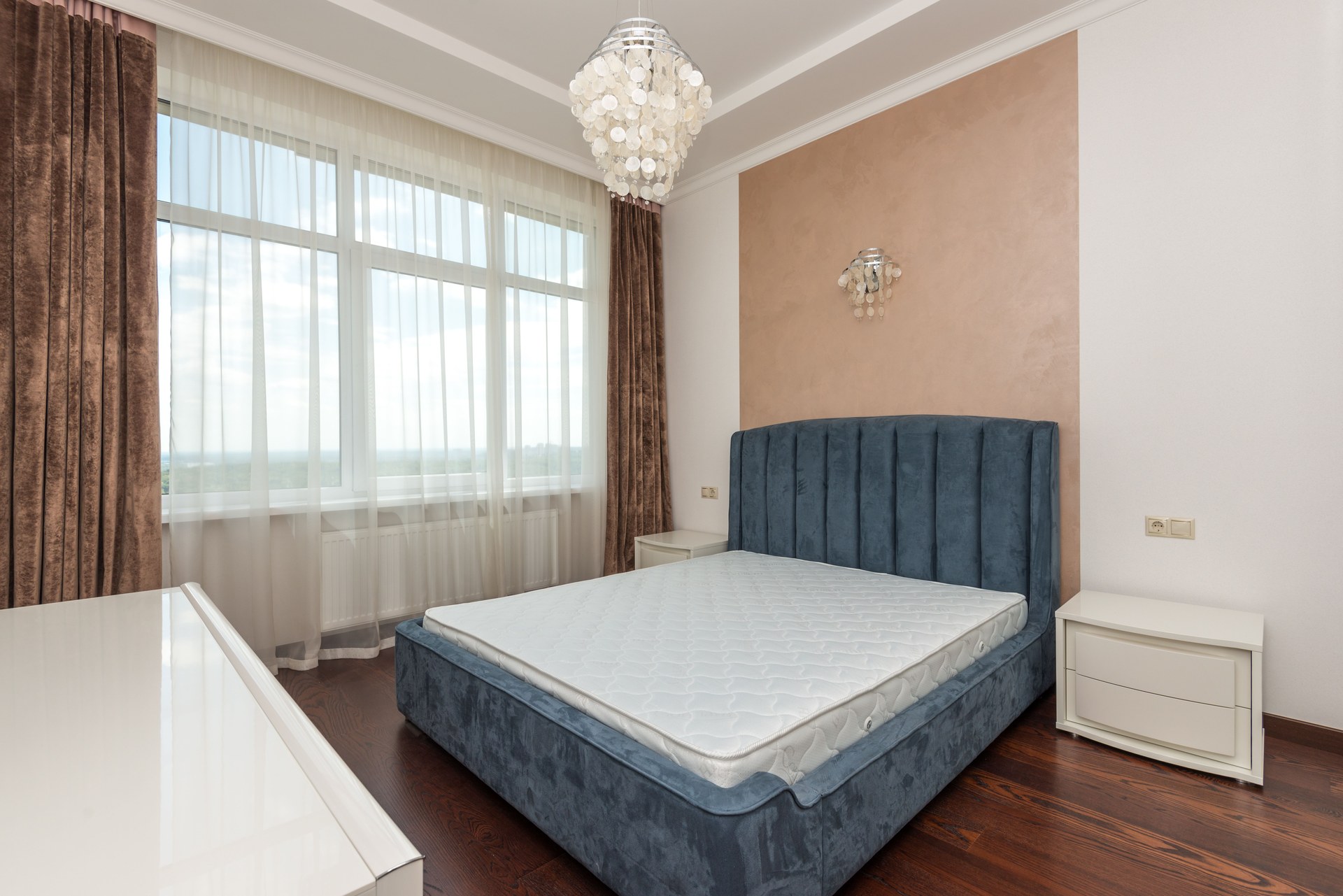
Feng shui treats a blocked window as a restriction on chi (qi), the flow of air and light the tradition uses as its working metaphor. A window covered by furniture, a wall built close outside, or permanent obstruction is generally read as weakening a room, though exactly what that means — and what to do about it — depends heavily on which school of feng shui is doing the reading.
What does feng shui actually say about a blocked window?
Classical texts describe windows, alongside doors, as openings through which chi enters and leaves a space. A window blocked from outside — by a wall, a dense hedge, a neighbouring structure built close to the glass — or blocked from inside — by furniture pushed against it, blinds permanently shut, boxes stacked on the sill — is treated as reducing that exchange. The concern is less about the glass itself than about what the blockage does to light, air and the sense of a room having somewhere for stale air to go.
Why do classical texts treat windows as important at all?
In Form School (Xingshi), which reasons from the physical shape of a site and a building, a window is one of the few places where a room reads the outside world. A window with an open, unobstructed outlook is described as supporting a room’s chi; one that faces a blank wall a few feet away, or a narrow air shaft, is read as constrained regardless of the window’s size. This is a visual and spatial argument, not a claim about measurable energy, and it maps reasonably well onto why a bright, ventilated room simply functions better than a dim one.
Compass School (Liqi) adds a directional layer on top of this, weighing a window’s orientation against the occupants’ personal directions calculated from a compass reading and birth data. A Compass School practitioner might treat the same blocked window very differently depending on which compass sector it sits in for that household — a distinction Form School does not make and would not consider relevant. For more on where these two systems part ways, see the guide to Form School versus Compass School.
Does it matter whether the blockage is inside or outside the room?
Most schools distinguish between the two, though not always with the same language. An external blockage — a wall, a fence, a densely planted tree close to the glass — is generally treated as the more serious of the two, because nothing done inside the room changes it. Practitioners commonly suggest keeping the interior side of such a window especially clear, on the reasoning that whatever light and outlook remains should not be reduced further.
An internal blockage — a wardrobe, a bookshelf, a desk backed up against the glass — is treated as more directly correctable, and this is where feng shui advice becomes closely tied to ordinary room planning. A tall piece of furniture against a window cuts daylight and can restrict how a window opens or how curtains draw, which has a plain practical explanation independent of any feng shui reading. Where a rule has no such rationale beyond the tradition itself, that is worth saying plainly rather than dressing it up as something else.
What about furniture arrangement generally — does a blocked window connect to that?
Yes, and this is one of the more consistent threads across schools. A window is treated as part of a room’s overall circulation, alongside doors and walkways. The same reasoning that discourages blocking a window discourages furniture arranged so a room feels closed in or hard to move through. The guide to furniture placement and circulation covers this in more general terms, and the concern about a cluttered entrance runs on similar logic — see why feng shui objects to a cluttered entrance. In both cases the underlying claim is the same: an opening that is meant to let something through works better, in this framework, when it is kept clear.

Does a blocked window matter more in some rooms than others?
Advice tends to concentrate on rooms where the window’s function is most tied to daily use. In a home office, a permanently obscured window is often raised alongside desk position, since natural light and outlook are treated as supporting concentration — a point covered in the piece on where a home office desk should face. In a bedroom, the concern is usually raised together with the position of the bed relative to the window rather than the window in isolation. None of this amounts to a claim that a blocked window causes a specific problem; it is a design preference dressed in the language of chi, and it is worth treating it as exactly that.
What is the BTB view, and how does it differ?
The Western Black Sect (BTB) adaptation of feng shui, developed in the United States from the 1980s onward, tends to be more direct and more symbolic about blocked windows than either classical school. BTB material commonly frames a blocked or permanently covered window as cutting off a household’s connection to opportunity or clarity, using the window as a stand-in for how the occupants engage with the world outside. This is a modern reading, not a classical one, and BTB sources rarely say so outright — which is part of why naming the school matters here rather than treating the advice as feng shui in general. Readers wanting the background on how BTB diverges from classical practice can see what Black Sect (BTB) feng shui actually is.
Is there a difference between a blocked window and one that simply can’t be opened?
Feng shui traditions generally treat these as related but distinct concerns. A window blocked by furniture or an external obstruction is a visibility and light problem. A window that is sealed, painted shut, or otherwise unable to open is, in classical terms, more serious, because it removes the exchange of air the window is meant to allow at all. This is also where the tradition’s language and ordinary building sense converge most closely: a room that cannot be ventilated has a straightforward, checkable problem regardless of any feng shui reading of chi.
This article is not building, health or ventilation advice. If a window in a home is structurally sealed, painted shut, or part of a wall affected by damp or condensation, that is a matter for a qualified surveyor, glazier or building professional, not a feng shui adjustment.
What does the tradition suggest doing about a blocked window?
Across schools, the suggestions tend to be modest and practical rather than dramatic:
- Clearing furniture away from the interior side of a window where it does not need to be there.
- Keeping window treatments — blinds, curtains — able to open fully rather than left permanently half-drawn.
- Where an external obstruction cannot be removed, some Form School guidance suggests treating the window as a weaker source of chi and compensating with other light sources in the room, rather than attempting to force the outlook to change.
- In BTB material specifically, mirrors are sometimes suggested to visually extend a blocked outlook — a symbolic use of an object, not a fix for the underlying blockage, and readers should treat it as exactly that rather than as anything that changes what is physically outside the glass.
None of this is a promise that clearing a window changes anything beyond the room itself being brighter, better ventilated and easier to use. That is the honest scope of the claim.
How does this fit with the rest of a home’s layout?
A blocked window rarely sits in isolation from the rest of a room’s arrangement. It is usually worth reading alongside how doors, hallways and furniture in the same space are handled — the same logic about clear openings and unobstructed flow that governs a narrow hallway or a room where doors face each other applies to windows as well. For a broader sense of how feng shui reasons about openings, movement and the concept of chi generally, the explainer on chi and energy flow and the wider Room by Room archive cover the underlying logic in more detail, and the concept of yin and yang in a room is useful background for why light and air are treated as balancing forces in the first place.
About this site. Feng Shui Pack explains what the feng shui tradition holds and which school holds it, from published sources. Feng shui is a tradition of placement and orientation, not a science: nothing here will bring you wealth, health, luck or a relationship, and we never claim otherwise. Where a suggestion has an ordinary practical reason — daylight, airflow, sightlines, less clutter — we say so; where it does not, we say that too. This is not medical, financial, legal or tenancy advice. If a decision matters, talk to a professional in that field.