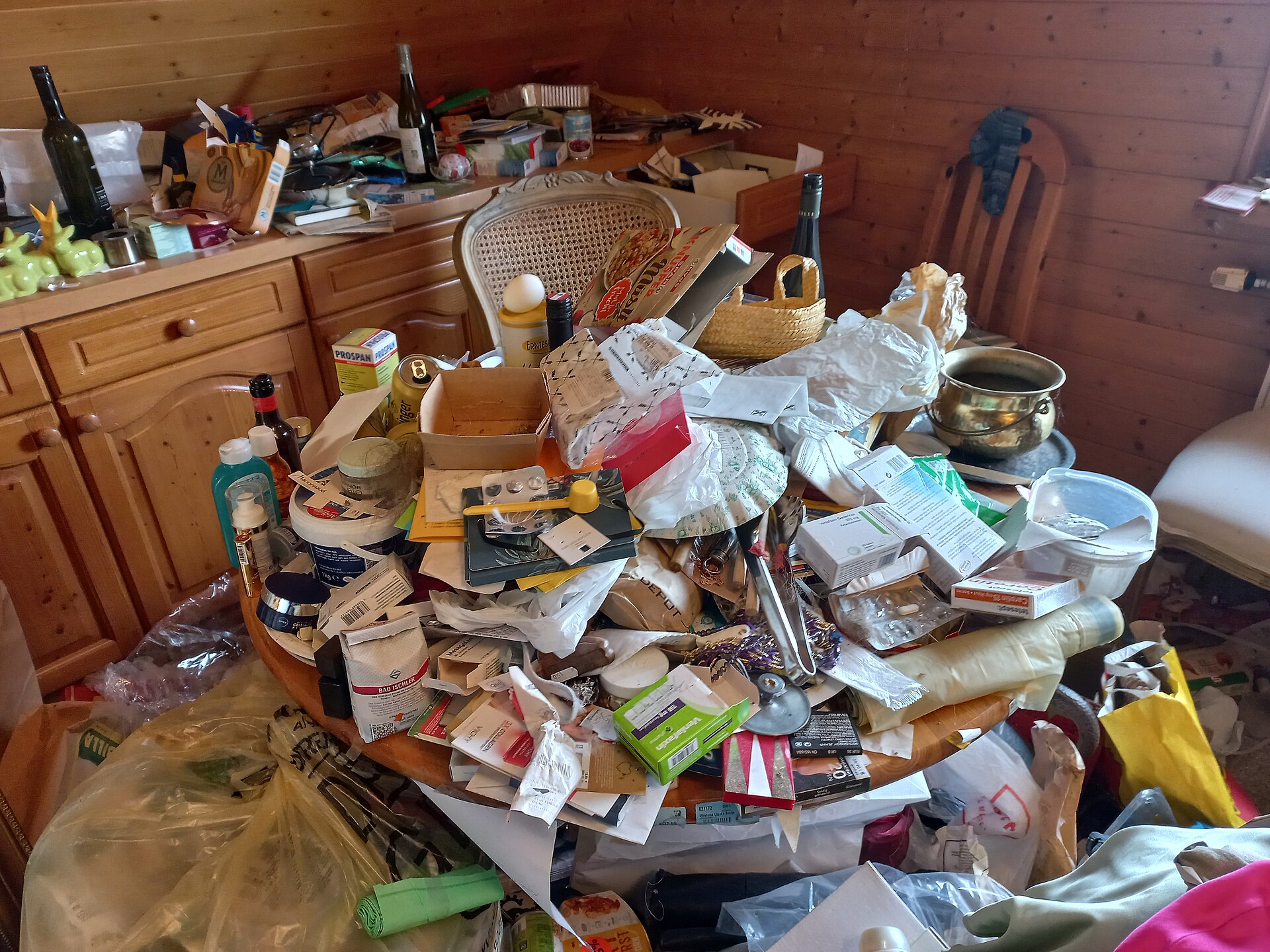
The most common mistake is treating the bagua as a single, agreed-upon system rather than admitting there are at least two incompatible versions of it in circulation — one anchored to compass direction, one anchored to the front door — and then applying whichever one a blog post happened to show, without knowing which school it belongs to or why the placement changes the reading entirely.
What is the single biggest mistake people make with the bagua?
It is mixing two different mapping systems without realising they are different. Classical Compass School (Liqi) fixes the eight bagua areas to compass directions — north, southeast, and so on — measured with an actual compass. The Western Black Sect (BTB) adaptation, developed in the 20th century, instead maps the same eight labels from the position of the front door, regardless of which way that door faces. These produce different answers for the same room. A guide explaining what the bagua is and how it is used should say which system it means; most consumer content does not, and readers end up applying a hybrid that neither school would recognise.
Do people confuse Compass School and BTB without knowing it?
Yes, and it is the root of most other bagua mistakes on this list. Someone reads a BTB article that says “stand at your front door and the far left corner is wealth,” then separately consults a Chinese-language or classical source that talks about the southeast as the wealth area by compass bearing, and assumes both are describing the same corner. In many homes they are not. The two schools disagree on method, not just detail — see the difference laid out in Form School vs Compass School and in the dedicated explanation of the BTB adaptation. Naming which system is in use is not a technicality; it changes which wall in the house is being discussed.
Is the bagua meant to be overlaid on a whole house or a single room?
Practitioners differ, and that in itself causes confusion. Some Compass School practice maps the bagua to the whole footprint of a building from its main entrance or its compass orientation. BTB teaching commonly applies a fresh bagua grid to each room, using that room’s own doorway as the reference point, as well as to the building as a whole. A reader who maps a whole house once and then re-maps a bedroom inside it a second way, without realising two separate grids are now overlapping, is not doing either system correctly. The practical guidance on how to orient a bagua map to a home is worth reading before mapping anything, precisely because the orientation step is where most errors start.
Do people treat the “wealth corner” as a literal guarantee?
This is a mistake this site treats as a hard line. The bagua assigns life themes — wealth, health, relationships, career — to zones of a home, and BTB teaching in particular encourages people to activate a zone to support that theme. What the tradition does not claim, and what no serious source claims, is that arranging a corner produces money, a partner, or a job. The honest phrasing is that practitioners suggest certain placements are thought to support an intention; nothing on this site, and nothing in a credible account of the practice, promises an outcome. Anyone drawn to a “wealth corner” because of an actual financial decision should be talking to a financial adviser, not rearranging furniture.
Do people over-trust furniture placement and under-trust orientation?
Often, yes. It is easier to move a lamp into a corner than to work out true compass north with an actual compass or to check which way a door genuinely faces, so people skip the orientation step and go straight to placing objects. But in both schools, the zone an object sits in is defined first by direction or doorway, and only second by what is put there. Skipping the first step means the object is likely in the wrong zone regardless of how carefully it was chosen. This is the same reasoning that runs through the site’s coverage of physical layout — see the Layout & Furniture archive — where placement is judged against a room’s actual geometry, not treated as decoration first.
-living_room-02ASD.jpg)
Can the bagua be applied cleanly to an irregular or L-shaped room?
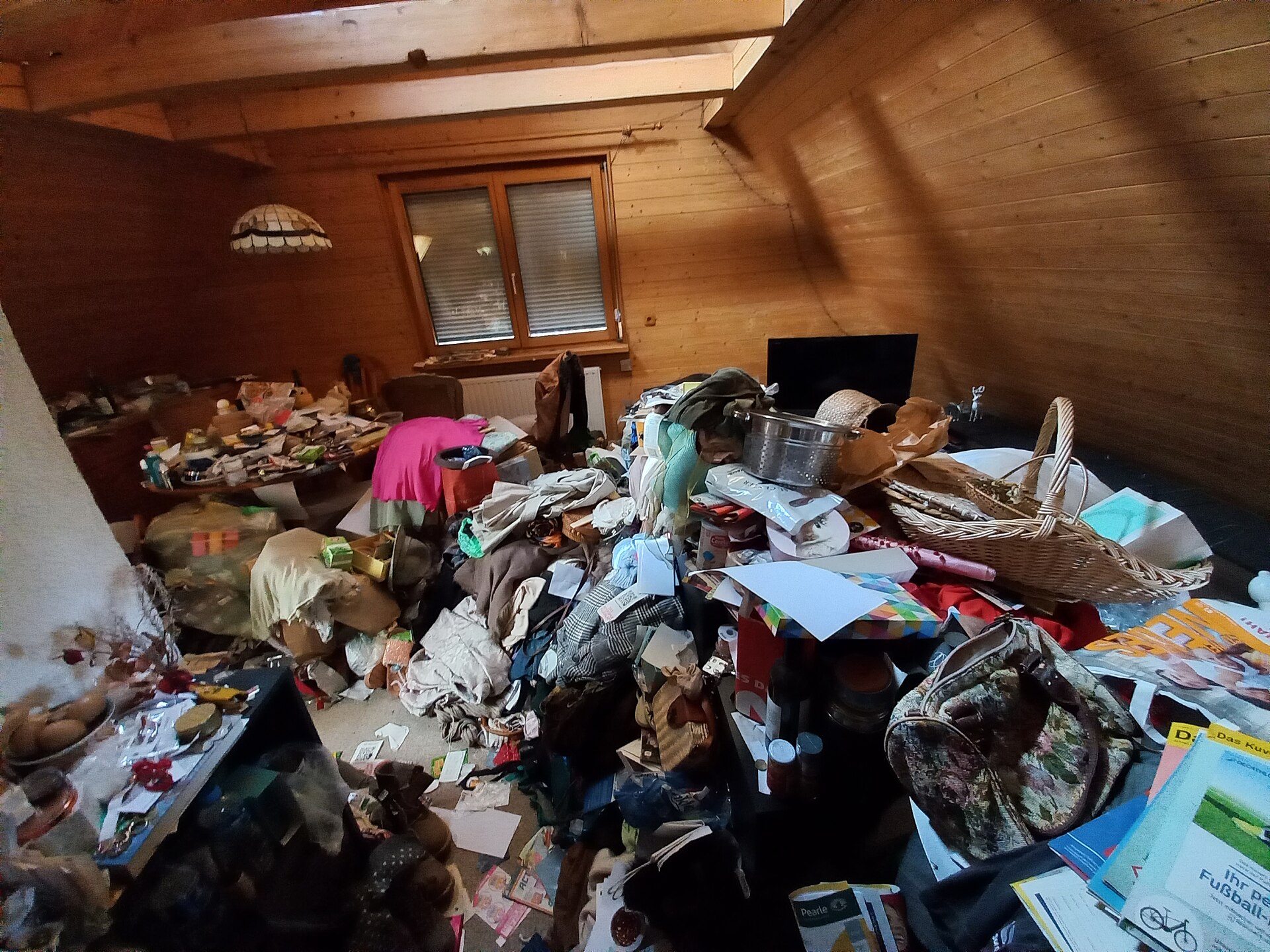
Not without acknowledging the problem. The bagua’s nine-zone grid (eight areas plus a centre) assumes a roughly rectangular footprint. Real homes are often L-shaped, have bump-outs, or have rooms that are not aligned to the building’s outer walls. Compass School practitioners and BTB teachers both have workarounds — extending the grid over a “missing” corner, or treating an extension as a separate zone — but these are judgment calls, not fixed rules, and different practitioners resolve the same floor plan differently. A guide that presents a single confident answer for every irregular room is oversimplifying a genuinely unresolved part of the practice.
Is buying an object to “fill” a bagua area a mistake?
It is the mistake this site is most consistent about naming directly. A great deal of commercial feng shui content reduces the bagua to a shopping list: put a fountain here, a crystal there, a red object in this corner. The reasoning given for why a specific object suits a specific zone is usually about material, colour or the five elements rather than anything unique to that object, which means the same effect — if any is claimed — does not depend on buying a particular branded item. The site’s position on this is set out plainly in why “buy this lucky object” is bad feng shui advice; the short version is that no object is required to apply the bagua honestly, and a room that is well lit, uncluttered and easy to move through is doing more than a purchased trinket ever will.
Do people ignore that feng shui schools contradict each other on purpose?
Frequently, and this is arguably the mistake underneath all the others. Compass School, Form School and BTB were not built as one continuous tradition that simply got translated into English — they have different histories, different instruments, and different priorities, and they give different answers to the same question about the same room. The contradiction is not a flaw in the reader’s understanding; it is a genuine feature of the field, explained in why feng shui rules contradict each other. Treating any single online bagua chart as “the” feng shui answer, rather than one school’s answer, is where most bagua confusion actually starts.
What’s a sensible way to use the bagua without overreaching?
Pick one school, say which one, and apply it consistently to one clearly defined space — a single room measured from its own door, for instance, if using BTB, or the whole footprint measured by compass bearing, if using Liqi. Do not mix the two grids in the same house. Treat the eight life themes as a framework for thinking about a room’s use and mood, not as a mechanism with guaranteed results.
- Confirm which school’s method is being used before mapping anything — see The Basics for the underlying framework each school works from.
- Address ordinary problems first: clutter, poor light, blocked doorways. These have practical explanations regardless of which bagua system is layered on top, and the Common Mistakes archive covers the ones that come up most often in real rooms.
- Do not let a bagua zone override basic function — a desk still needs daylight and a door in view; a bed still needs a solid wall behind it — before it needs a theme assigned to its corner.
None of this is medical, financial or legal advice, and nothing about a bagua placement should be treated as a substitute for advice from a qualified professional on money, health or a tenancy. The bagua is a mapping tool with a contested history and at least two competing versions; used carefully, and named honestly, it is a way of thinking about a room’s layout — not a set of instructions with a guaranteed result.
Related reading
What Feng Shui Says About a Home Office in a Bedroom, The Basics, Flow, Light and Small Spaces, The Most Common Feng Shui Mistake in a Bedroom
About this site. Feng Shui Pack explains what the feng shui tradition holds and which school holds it, from published sources. Feng shui is a tradition of placement and orientation, not a science: nothing here will bring you wealth, health, luck or a relationship, and we never claim otherwise. Where a suggestion has an ordinary practical reason — daylight, airflow, sightlines, less clutter — we say so; where it does not, we say that too. This is not medical, financial, legal or tenancy advice. If a decision matters, talk to a professional in that field.
Featured image: Photo by Asurnipal, source, CC BY-SA 4.0
-dining_room-06ASD.jpg)