Paying a feng shui consultant is worth it if the reader wants a trained reading of a specific building, using a named method, applied to their own furniture and doors — not a generic checklist. It is not worth it as a substitute for a surveyor, an architect, or a lawyer, and no consultant can guarantee an outcome.
What does a feng shui consultant actually do?
A consultant assesses a building’s orientation, layout and surroundings against a specific method — usually Form School, Compass School, or the BTB (Black Sect Tantric Buddhist) adaptation — and produces recommendations for furniture placement, door use, and sometimes room function.
In practice this can include:
- Taking a compass reading of the building’s facing direction, central to Compass School (Liqi) analysis
- Walking the site to assess approach, slope, neighbouring structures and water — the concerns of Form School (Xingshi)
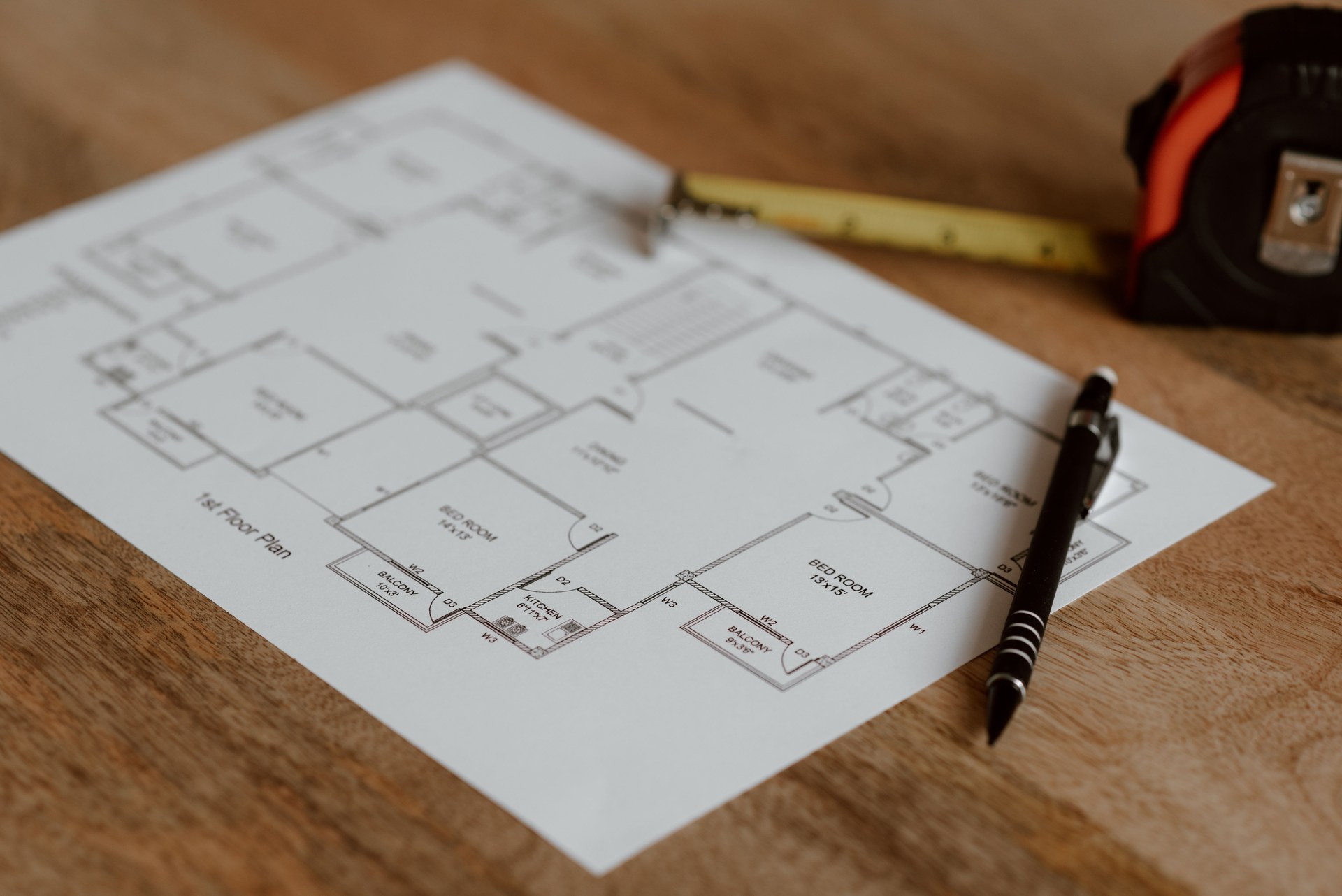
- Overlaying a bagua map on the floor plan, a technique the BTB adaptation applies from the front door, which classical Compass School does not use in the same way
- Producing a written report with room-by-room suggestions
- Advising on timing for moving in, renovating, or making changes, based on a Chinese calendar system
Which of these a given consultant does depends entirely on which school they practise. This is the single most useful thing to establish before paying anyone, and it is covered in more depth in why feng shui consultants disagree with each other.
What schools of feng shui do consultants actually use?
Three traditions dominate the field, and they do not agree on method or on what a building even needs to be assessed against.
- Form School (Xingshi) reads land, slope, roads and surrounding structures — the shape of the terrain around a building, independent of compass direction.
- Compass School (Liqi) uses the building’s precise compass orientation, birth data, and calculated star charts (commonly Flying Star, or Xuan Kong) to assign qualities to different parts of the home.
- BTB (Black Sect Tantric Buddhist) is a 20th-century Western adaptation that places the bagua map from the front door regardless of compass direction, and is the version behind most English-language advice — usually without saying so.
A consultant who does not name which of these they use, or who blends them without explanation, is not necessarily wrong — practitioners do combine methods — but the reader has no way to check the reasoning unless the school is stated. Background on this split is in what feng shui actually holds, and what it does not.
What does a consultation typically cover?
A residential consultation generally covers the building’s orientation and entrance, the layout and use of each room, and any exterior features considered significant by the school in use — a road, a slope, a body of water, an overhanging structure.
Common elements of a visit or remote report:
- Compass reading of the main entrance and the building’s overall facing direction
- Assessment of the front door’s position relative to interior doors and staircases
- Comment on bedroom, kitchen and main door placement relative to each other
- Notes on clutter, storage and unused space
- A written or verbal set of recommended changes, usually prioritised as free (rearranging furniture) versus structural (moving a door or wall)
What a consultant will not do — or should not claim to do — is guarantee health, income, relationships or safety outcomes. Reputable practitioners phrase findings as “the tradition holds that…” or “this is considered less favourable in Compass School,” not as promises. Anyone offering a guarantee is a signal to be cautious, covered further in what to ignore in most online feng shui advice.
How much does a feng shui consultation cost?
Fees vary widely by region, by whether the visit is in person or remote, and by whether the consultant produces a full written report or a verbal walkthrough. Some charge a flat fee per property; others charge by square footage or by the hour.
Because prices are not standardised and change constantly, this site does not quote figures. Any consultant should provide a clear written quote before booking, stating whether the fee covers a single visit, a follow-up report, or ongoing advice. This is a commercial transaction like any other trade service, and the ordinary consumer protections that apply to hiring a tradesperson apply here too — this is not legal advice, and a reader with a dispute should consult their own government’s consumer guidance or a solicitor.
Is a feng shui consultant the same as an interior designer?
No. An interior designer is trained in space planning, materials, lighting and often building regulations. A feng shui consultant applies a specific traditional method to a layout, and most have no design qualification at all — the two roles sometimes overlap in one person, but they are not interchangeable, and neither substitutes for the other.
Where a change involves load-bearing walls, wiring, plumbing, or planning permission, a feng shui consultant’s advice does not replace an architect, structural engineer or the relevant local authority. Nothing in a feng shui consultation should be treated as building, safety or legal advice.
What can a reader do without paying anyone?
A large share of what a consultant addresses in a typical home is documented, checkable, and free to apply directly. The practical reasoning behind most of it — sightlines to a door, daylight, reduced clutter, walkable circulation — holds regardless of which school a reader favours.
Areas most readers can assess themselves:
- Whether the bed can be seen from the door without lying directly in line with it, discussed in what feng shui says about a bed that faces the door
- Whether an entrance is cluttered or obstructed, covered in the entrances and flow archive
- How a floor plan reads before a viewing, in how to assess a floor plan before you see the place
- What can actually be changed in a rented property, in what a renter can actually change
For a fuller room-by-room approach, the room-by-room feng shui guide and the entrances, light and small-space hub cover most of what a paid consultation would flag in an ordinary flat or house, without the compass work a Compass School reading requires.
When does paying for a consultant make more sense?
A consultant earns their fee where the reading genuinely requires trained interpretation: a full Compass School Flying Star chart, a site assessment involving slope and surrounding structures under Form School, or a building with an unusual layout — an irregular plot, a corner site, multiple entrances — that generic advice does not address.
- Buying a home and wanting a Compass School reading before exchange
- A corner plot or unusually shaped building, discussed generally in what feng shui says about a corner plot
- A commercial premises where the client wants a documented rationale for a fit-out
- A dispute between household members about layout, where a third-party reading settles the disagreement regardless of its content
None of this changes the underlying rule: a consultant’s report is one school’s interpretation, attributed and explained, not a verified fact about the building. Two consultants from different schools can look at the same house and reach different conclusions, and both can be applying their tradition correctly.
What should a reader ask before booking one?
Four questions filter out most of the ambiguity in this field before any money changes hands.
- Which school or method do you practise, and why?
- Will I receive a written report, and does it explain the reasoning, not just the instruction?
- What is the fee, and does it include a follow-up visit or questions afterwards?
- Are you recommending any structural changes that would require a qualified tradesperson, architect or planning consent?
A consultant willing to answer all four plainly, and to say “this is what my school holds” rather than “this is what feng shui says,” is doing the work honestly. For the layout issues that come up most often in these reports — beams, doors in line, mirrors facing beds — the site’s common mistakes archive and layout and furniture archive cover the reasoning in detail, whether or not a consultant is ever hired.
About this site. Feng Shui Pack explains what the feng shui tradition holds and which school holds it, from published sources. Feng shui is a tradition of placement and orientation, not a science: nothing here will bring you wealth, health, luck or a relationship, and we never claim otherwise. Where a suggestion has an ordinary practical reason — daylight, airflow, sightlines, less clutter — we say so; where it does not, we say that too. This is not medical, financial, legal or tenancy advice. If a decision matters, talk to a professional in that field.