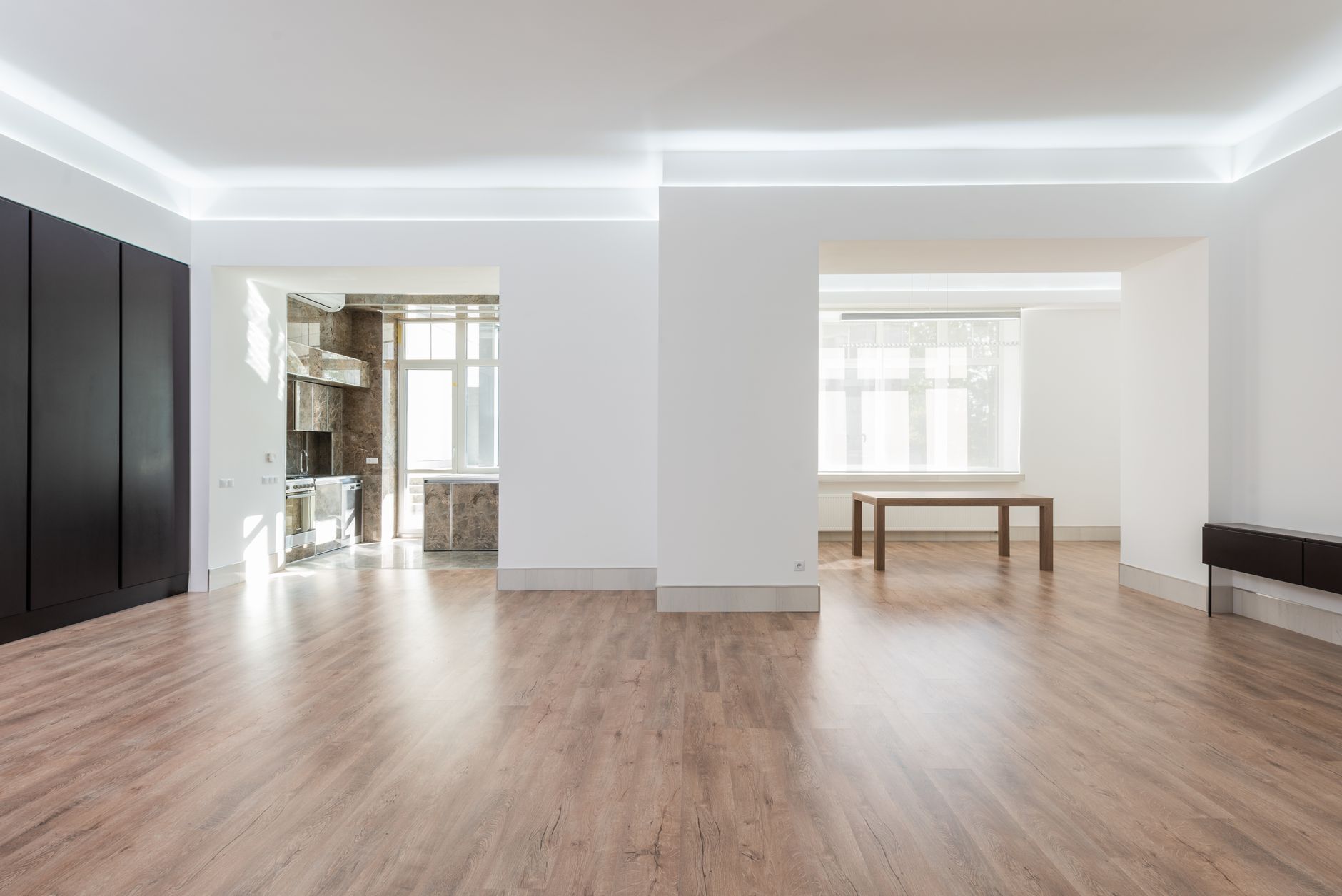
Feng shui traditions generally recommend cleaning the home thoroughly before anything is unpacked, choosing a date by one of several methods, and carrying certain items in before others — commonly rice, salt or bedding, depending on the school. None of this is a single fixed sequence; the schools disagree on emphasis and even on whether a “correct order” matters at all.
Does feng shui say to clean the home before anything else?
Yes, across every school. Physical cleaning is treated as the precondition for anything else being worth doing, and this is one of the few points where Form School, Compass School and the BTB adaptation do not disagree.
Form School practitioners frame this in practical terms: a home cannot be assessed for light, air flow or layout while it is dirty or full of a previous occupant’s belongings. The BTB adaptation goes further and treats cleaning as a ritual act in itself, sometimes recommending a symbolic wash of floors and door handles with salt water before moving boxes in. Classical Compass texts say less about cleaning specifically and more about timing, which is covered below.
Whichever school is followed, the ordinary explanation still applies: dust, stale air and clutter are unpleasant and unhealthy regardless of any tradition, and a genuinely empty, clean room is the only way to see what a space is actually offering. The site’s guide to why clutter is treated as the first problem in every feng shui school covers this in more detail.
Is there a traditional order for carrying items into a new home?
Some traditions specify what goes in first; others do not address it at all. Where an order is given, it is usually symbolic rather than practical, and no school claims the order changes anything measurable.
Common versions, attributed to different sources, include:
- In some Chinese folk custom, a container of rice or a jar of coins is carried in before other belongings, said to represent that the household will not go without. No practical mechanism is claimed for this beyond the custom itself.
- In BTB-influenced guides circulating in English-language books and blogs, the bed or bedding is often named as the first large item to bring in, on the reasoning that sleep and rest are the household’s foundation. This is a modern adaptation, not a classical Chinese text.
- Some sources recommend that the head of the household enter first, ahead of other family members or belongings. This appears in various regional customs with no single agreed origin.
None of this is universal, and readers researching a specific custom tied to a particular region or dialect group should treat generic “feng shui moving order” lists online with some caution — see the site’s piece on what to ignore in most online feng shui advice for how to sort attributed material from invented rules.
Does feng shui set a specific date for moving in?
Compass School practice, and Chinese folk custom more broadly, often does specify auspicious dates for moving, drawn from the Chinese almanac (Tong Shu) alongside the household members’ birth information. This is a distinct practice from Form School, which is concerned with the physical site rather than the calendar.
Date selection of this kind is a specialist area, typically the domain of a Compass School practitioner working from birth data and the almanac, not something reconstructed from a general article. Readers who want to follow this custom seriously are better served by a practitioner who works in that tradition specifically, rather than a generic “lucky moving day” list, which is usually simplified past the point of being meaningful.
It is worth being plain about what this is not: it is not a claim that a particular date affects safety, weather or anything checkable, and this site does not evaluate or endorse it as fact. It is a described custom, attributed to Compass School and folk practice, and readers can weigh it as such.
Does it matter who lived in the home before?
Some traditions hold that a home retains something of its previous occupants’ circumstances, and that this is worth considering before moving in — though what to do about it, if anything, differs by source. This is covered in full in the site’s article on what feng shui says about a home’s previous occupants.
Practically, a prospective tenant or buyer can only ever confirm ordinary, checkable facts about a property’s history — how long it was on the market, why the previous occupants left, whether it needs work — and none of that is feng shui advice; it is due diligence, and where money or a tenancy is involved, readers should treat this site’s material as background only and consult a solicitor, surveyor or letting professional for anything contractual.
What if the home has stood empty for a while?
A property that has sat vacant for an extended period is treated differently in some traditions, on the reasoning that a home functions better when it is actively used — again, a claim attributed to specific schools rather than a demonstrated fact. The full reasoning, and what a longer vacancy typically means practically for viewing and moving in, is set out in the site’s piece on what feng shui says about a house that has stood empty.
What is “space clearing”, and which schools actually use it?
Space clearing — burning incense, ringing bells, using salt or smoke to move through a home room by room before settling in — is primarily associated with the BTB adaptation and with folk custom, not with classical Compass or Form texts, which are far more concerned with physical layout, orientation and the site itself.
Where this site describes a ritual of this kind, it describes what practitioners say it is for, not whether it achieves anything checkable. No outcome is promised by this article, and readers should treat any claim that a ritual “clears negative energy” as a described belief, not a demonstrated effect.
What should be set up first inside the home?
Once items are inside, several schools converge on a practical sequence: assess the entrance and main pathway first, then the bedroom, then everything else — because these are treated as the areas doing the most day-to-day work.
- The entrance is treated as the point where the household’s main activity — the BTB tradition calls this the “mouth of chi” — enters the home, so clearing the immediate hallway and confirming the front door opens freely tends to be the first practical task.
- The bedroom is generally the next priority, since Form School reasoning around the commanding position — being able to see the door from the bed without lying directly in line with it — is easiest to get right before furniture accumulates and options narrow.
- Living and working areas follow once the two functions above are settled, at which point the site’s room-by-room guide and the layout and furniture archive are more useful than any general “moving in” checklist.
For a broader assessment of the property itself before any of this — door position, light, room shapes — the site’s home viewing feng shui checklist covers what to look at, and readers who assessed the floor plan before moving day may already have this in hand via the guide to assessing a floor plan before you see the place.
Does any of this apply if the home is rented?
Most of it does, and none of it requires permission from a landlord. Cleaning, the order items are carried in, and how the bedroom or entrance is arranged are all within a tenant’s control regardless of what the lease says about structural changes.
What a tenant cannot do — move a fixed door, change a room’s orientation, alter a building’s exterior — is addressed directly in the site’s guide on what a renter can actually change, and the wider question of working around fixed constraints is covered in what feng shui says about renting and can’t-change things.
Where does house numbering fit into any of this?
House numbers are sometimes read symbolically in Chinese numerology, a separate tradition from feng shui proper though often bundled with it in popular writing. The distinction, and what is actually said about specific numbers, is covered in the site’s article on what feng shui says about house numbers. It is not something a buyer or tenant can change, and no school claims it affects anything beyond the symbolic reading itself.
The honest summary
There is no single, agreed feng shui “moving-in order.” Cleaning first is close to universal advice, and it happens to also be good practical sense. Date selection belongs to Compass School and Chinese folk custom specifically. Item order and space-clearing rituals are largely BTB and folk practice, not classical Chinese texts. Where consultants disagree on the details — and they routinely do — the reasons are explained in the site’s piece on why feng shui consultants disagree with each other, and the tradition’s own boundaries are laid out on the feng shui basics hub.
About this site. Feng Shui Pack explains what the feng shui tradition holds and which school holds it, from published sources. Feng shui is a tradition of placement and orientation, not a science: nothing here will bring you wealth, health, luck or a relationship, and we never claim otherwise. Where a suggestion has an ordinary practical reason — daylight, airflow, sightlines, less clutter — we say so; where it does not, we say that too. This is not medical, financial, legal or tenancy advice. If a decision matters, talk to a professional in that field.