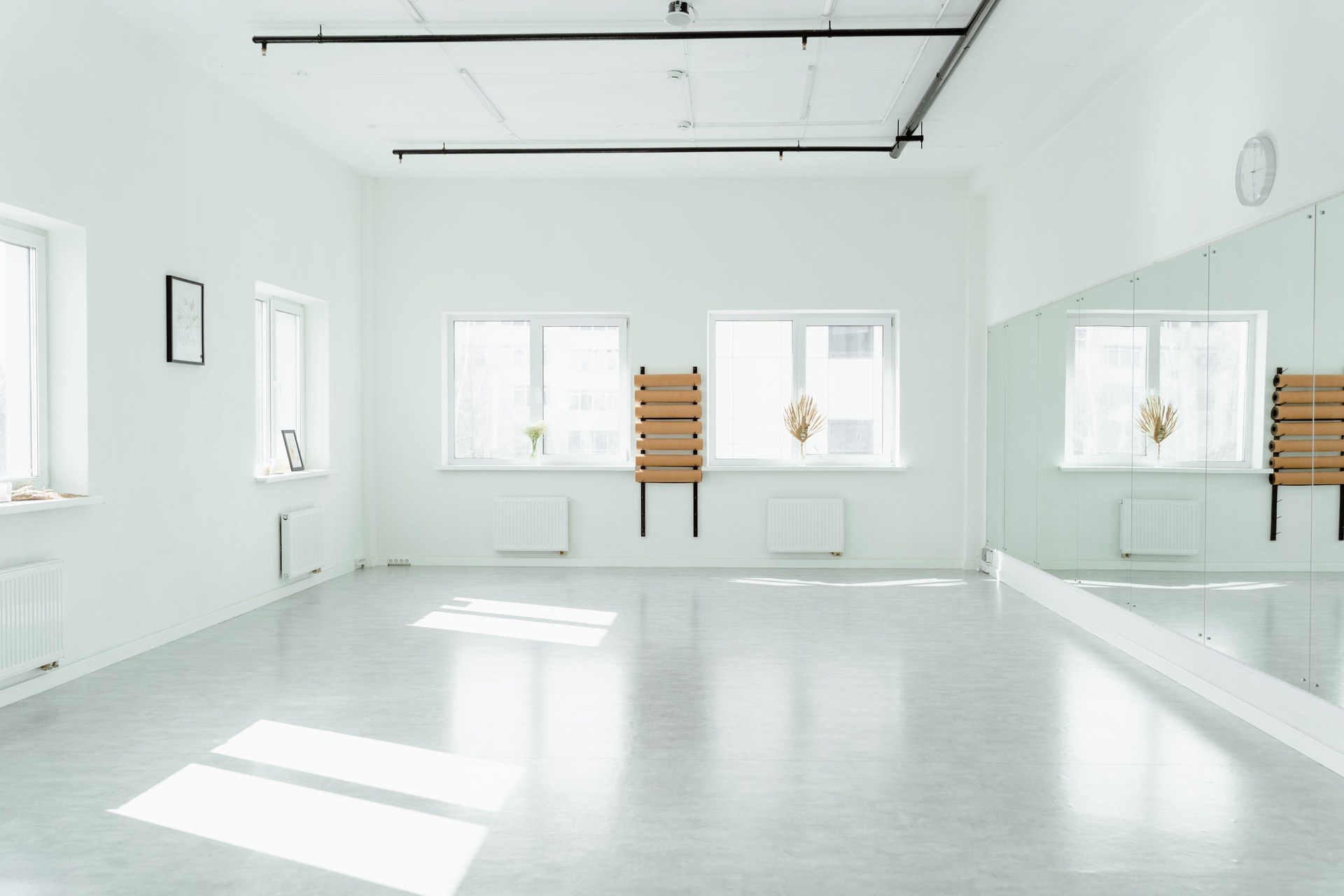
Feng shui treats a mirror as an active object, not a passive decoration. Because it reflects and can double the appearance of light, movement or a doorway, different schools give it different jobs: amplifying chi (qi) in one reading, or creating unwanted duplication and disturbance in another. There is no single “feng shui rule” for mirrors — the advice depends heavily on which tradition is being cited.
Which school of feng shui actually talks about mirrors?
Classical Form School (Xingshi) discusses mirrors mainly in terms of what they reflect back into a room — a sharp corner, a stove, a bed — and treats the mirror as neutral in itself. Compass School (Liqi) is more concerned with direction and the compatibility of an object’s placement with a person’s or building’s chart, and says comparatively little about mirrors specifically. Most of the mirror advice circulating in English-language sources — mirrors “expanding” a space energetically, mirrors as a cure for missing corners — comes from the Western Black Sect (BTB) adaptation, developed in the United States in the late 20th century. BTB is explicit that intention matters as much as placement, a framing that has no equivalent in classical Chinese texts. Readers who want the underlying split explained in full can see Form School vs Compass School and Black Sect (BTB) feng shui explained.
Why does feng shui treat a mirror as more than a surface?
The reasoning given, across schools, is that a mirror does not just hold an image — it repeats whatever is placed in front of it, and in feng shui that repetition is read as intensifying whatever is being reflected, whether that is light and movement or clutter and a sharp edge. A mirror facing a calm, open view is treated as unremarkable. A mirror facing something a school already objects to — a stove, a bed, a front door directly opposite — is treated as doubling that objection. This is the logic behind almost every specific mirror rule discussed elsewhere on this site, including mirror facing the front door and dining room mirror placement.
What does feng shui say about mirrors in a bedroom?
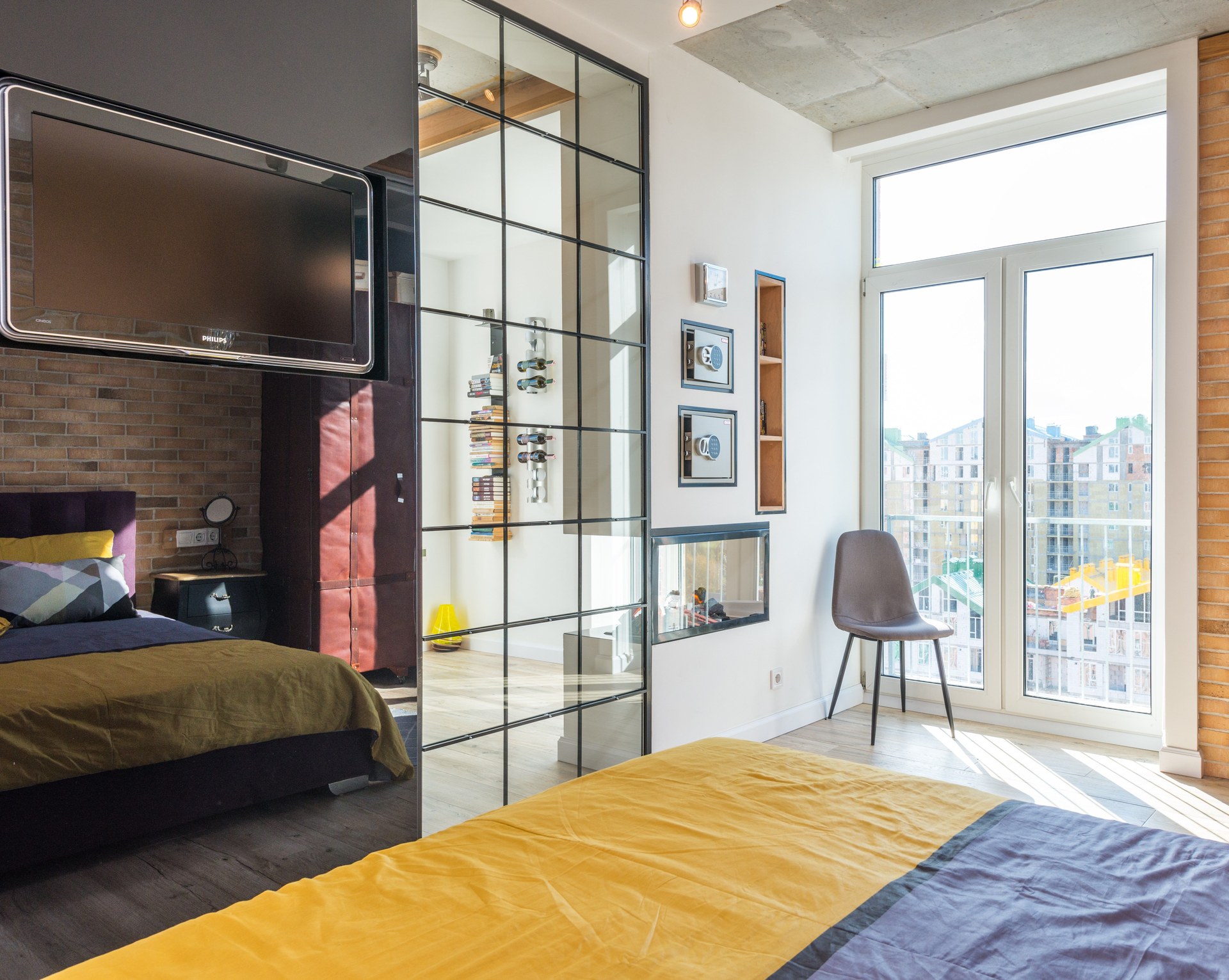
The most consistent advice, found across Form School commentary and repeated heavily in BTB sources, is that a mirror should not directly face the bed. The reasoning given is that a sleeping person is considered vulnerable and passive, and a reflection facing them is described as unsettling to rest — though no school offers a mechanism beyond the tradition itself. This is covered in detail, including how the advice is typically softened or worked around, in Feng Shui Mirrors in the Bedroom.
What does feng shui say about a mirror facing the front door?
This is one of the few mirror rules where BTB, Form School commentary and general folk practice broadly agree, though for different reasons. Some sources say a mirror directly opposite the entrance reflects incoming chi straight back out; others simply note that a mirror facing the door means anyone entering sees a startling reflection of themselves in a hallway that is usually the room’s tightest, darkest passage. The full argument, and where sources disagree on the exact geometry that counts as “facing”, is set out in Mirror Facing the Front Door: What Feng Shui Actually Says. That page connects to the wider logic of the entrance in what the “mouth of chi” means and the broader Entrances & Flow archive.
What does feng shui say about mirrors in a dining room?
A mirror positioned to reflect a fully laid dining table is one of the rare cases where feng shui commentary explicitly frames doubling as desirable rather than disruptive — the reflected table is read as a visual echo of abundance at the meal, a claim that is tradition, not measurable fact, and worth stating as such. Placement relative to the table’s shape and the seating arrangement is covered in Where Should a Dining Room Mirror Go?, alongside the separate question of what feng shui says about a dining table’s shape.
Is there a practical reason for any of this, apart from tradition?
Some of it, yes. A mirror positioned to catch daylight from a window genuinely increases the amount of usable light in a room without adding a fixture, which is a straightforward practical gain covered more broadly in the site’s Light & Air archive. A mirror in a narrow hallway can make the space read as less cramped, which overlaps with ordinary interior-design advice rather than anything specific to feng shui — see Narrow Hallway Feng Shui. Where a rule has no such practical basis — for instance, the idea that a mirror reflecting a sleeping person disturbs their chi specifically, rather than simply being an odd thing to look at half-asleep — it is honest to say the rationale is the tradition itself and nothing beyond it.
Do the shape and frame of a mirror matter?
Some BTB-influenced sources assign meanings to mirror shapes using the five-element framework — round frames linked to metal, for instance — but this is not a fixed or universally agreed system, and classical texts do not treat mirror shape as a major category of concern. Sharp, unframed corners on a large mirror are treated the same as any other sharp furniture edge in a room people move past regularly, which is a more consistent point across schools and is discussed in What Does Feng Shui Say About Sharp Corners on Furniture?
Where do mirrors fit into the bagua map?
BTB practitioners sometimes use a mirror as a stand-in “cure” for a bagua area that is architecturally missing from a floor plan — an irregular extension, for example — reflecting to visually “complete” the shape. This use is specific to BTB’s front-door-based bagua and is not recognised the same way in classical Compass School, which orients the bagua by compass direction rather than by the entrance. The difference matters enough that it has its own explanation at What Is the Bagua and How Is It Used? and How to Orient a Bagua Map to a Home.
What’s the practical takeaway for arranging a room with a mirror?
Across schools, three points recur often enough to be treated as general guidance rather than one tradition’s idiosyncrasy:
- What a mirror faces matters more than the mirror itself — a reflection of a calm view is read differently from a reflection of a bed, stove or front door.
- Mirrors are credited with a real, ordinary function in spreading daylight and easing a cramped hallway, separate from any energetic claim.
- Specific placement rules — bedroom, dining room, entrance — are covered individually because the reasoning differs by room, not because one blanket rule applies everywhere.
None of this is a substitute for professional design, structural or safety advice about hanging a heavy mirror securely; that is a matter for a qualified tradesperson, not a feng shui source. Readers assembling a full room plan around these questions may find the The Basics archive useful for the underlying vocabulary, and Is There Evidence for Feng Shui? for a plain look at what can and cannot be verified about claims like these.
About this site. Feng Shui Pack explains what the feng shui tradition holds and which school holds it, from published sources. Feng shui is a tradition of placement and orientation, not a science: nothing here will bring you wealth, health, luck or a relationship, and we never claim otherwise. Where a suggestion has an ordinary practical reason — daylight, airflow, sightlines, less clutter — we say so; where it does not, we say that too. This is not medical, financial, legal or tenancy advice. If a decision matters, talk to a professional in that field.