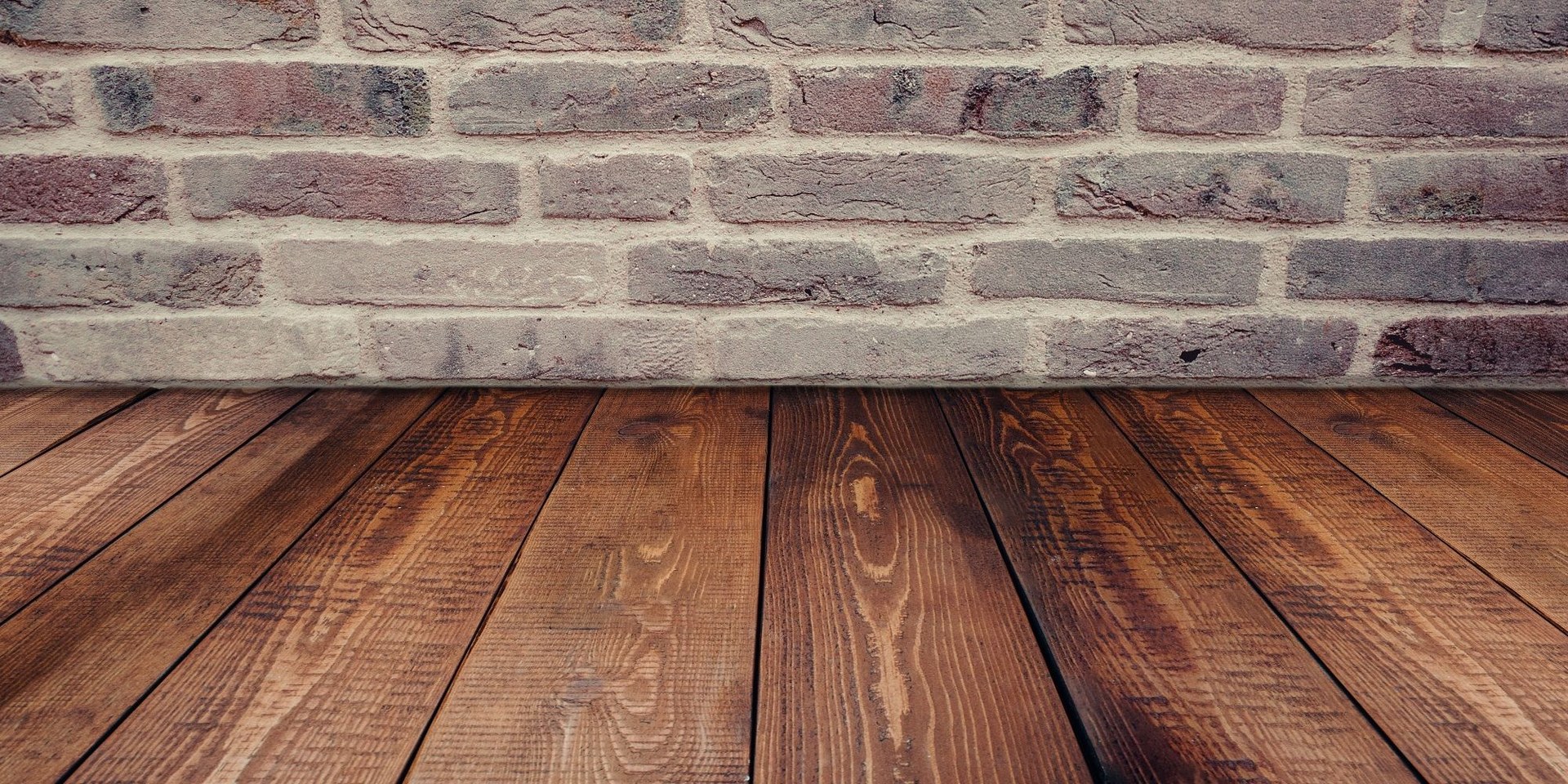
In feng shui’s five-element system (Wu Xing), wood is represented by timber and plant fibre, fire by candles and triangular or pointed forms, earth by ceramic, brick, and stone, metal by iron, brass, steel, and other metals, and water by glass, mirrors, and anything reflective or fluid. These are correspondences drawn by tradition, not properties the materials physically possess.
What are the five elements, exactly?
Wu Xing is a classical Chinese framework describing five phases or qualities — wood, fire, earth, metal, and water — that interact in fixed cycles. It predates feng shui and also underlies traditional Chinese medicine and calendrical systems. A fuller explanation of the framework itself, including its productive and destructive cycles, is covered in this overview of the five elements.
Materials are one of several ways the elements are said to show up in a room. Colour, shape, and direction are the others, and they’re often layered together in Compass School practice. This article deals only with material — what a thing is made of — and what tradition assigns to it.
Which materials represent Wood?
Timber, bamboo, rattan, wicker, and other plant fibres are classed as Wood material. Living plants are also placed in this category, since Wood in Wu Xing refers to growth and upward movement rather than the substance of wood alone.
- Solid and engineered timber furniture
- Bamboo and rattan pieces (blinds, chairs, baskets)
- Cork and other plant-fibre surfaces
- Living houseplants, which some practitioners also count as carrying Wood quality
Where a room already leans heavily on greenery, the reasoning and caveats around specific species are covered separately in which houseplants are suggested indoors, and why.
Which materials represent Fire?
Fire material is less about a physical substance and more about a quality: pointed, triangular, and angular forms, along with anything that produces actual flame or strong light. Candles are the most literal example.
- Candles and open flame
- Angular, pointed, or star-shaped objects
- Materials associated with heat, such as items finished in red or orange tones
Because Fire is tied to actual combustion as well as symbolic form, candle placement carries its own set of considerations, discussed in what feng shui says about candles and open flame. Any advice involving live flame near furnishings is also a household safety matter, not just a symbolic one, and general fire safety guidance should come from a qualified source, not a feng shui text.
Which materials represent Earth?
Ceramic, brick, terracotta, clay, and unpolished stone fall under Earth. Square and low, flat forms are grouped with this element as well, since Earth in Wu Xing is associated with stability and the horizontal plane.
- Ceramic and terracotta vessels and tiles
- Brick, adobe, and unglazed clay
- Natural stone in its rougher, unpolished forms
Which materials represent Metal?
Iron, steel, brass, copper, and other worked metals belong to this category, along with round and oval shapes. Mirrors are sometimes placed here and sometimes under Water, depending on the source — a good example of how the tradition is not fully standardised even among its own practitioners.
- Iron, steel, brass, and other metal furniture or fixtures
- Round or curved metal objects
- White, grey, and metallic-toned finishes
Mirrors carry their own extensive body of rules beyond elemental theory, including placement relative to doors and beds, covered in this general guide to feng shui and mirrors.
Which materials represent Water?
Glass, mirrored surfaces, and anything genuinely liquid — an aquarium, a fountain — are classed as Water material. Wavy, irregular, and asymmetrical forms are grouped here too.
- Glass and mirrored glass
- Actual water features, indoor fountains, and aquariums
- Black and dark-toned finishes, which some sources also assign to Water
Indoor water features and aquariums are popular ways to introduce this element directly, and each comes with its own set of considerations around placement and maintenance, addressed in what feng shui says about indoor water features and what feng shui says about aquariums.
Do these associations come from one school or many?
Wu Xing itself is a shared classical framework, not something Form School, Compass School, or the BTB adaptation dispute among themselves. Where the schools diverge is in how strictly the material correspondences are applied to a specific room or direction.
Classical Compass School (Liqi) ties elements to compass directions and uses a luopan to calculate which element belongs where in a given building, based on its facing and construction date. Form School (Xingshi) is more concerned with landscape and building shape than with interior material choices. The BTB adaptation, common in English-language feng shui writing, tends to assign elements to zones of a bagua map placed from the front door, without the compass calculation classical Compass School requires — a distinction explained in this explanation of the BTB adaptation and in this comparison of Form School and Compass School.
In practice, this means a rule like “add a metal object to the west of the room” only makes sense within one of these specific frameworks, and it’s worth knowing which one a given source is using before applying it.
How are the elements used together in a room?
Materials are rarely assigned in isolation. Wu Xing describes a productive cycle, where one element is said to feed the next (wood feeds fire, fire creates earth as ash, and so on), and a destructive cycle, where one element is said to check another (wood depletes earth, metal cuts wood).
Practitioners commonly use these cycles to decide whether to add, balance, or remove a material in a given spot — for instance, introducing a ceramic (Earth) object is sometimes suggested to soften an overly dominant Fire zone, following the destructive cycle. The mechanics of both cycles are set out in full in this guide to the productive cycle and this guide to the destructive cycle.
Does this have a practical basis, or is it symbolic?
The material-to-element assignments themselves are symbolic; no practical or physical reason is given for why brass counts as Metal and rattan counts as Wood beyond the tradition’s own internal logic, and that’s worth stating plainly rather than dressing up as science.
That said, some of the broader design choices these categories lead to do have ordinary, checkable reasons attached. Reducing clutter, choosing furniture that doesn’t obstruct a doorway, and keeping a room ventilated and daylit are recommended for practical reasons independent of element theory, and those are covered across the Light & Air section and the Entrances & Flow section of this site.
For readers who want the wider picture before applying any of this to a specific room, the Basics section lays out the foundational concepts — chi, yin and yang, the bagua — that the element system sits alongside. For material choices applied to specific pieces of furniture and objects, the Objects & Materials section covers individual items in more depth.
None of this constitutes structural, safety, or fire-code advice. Any question involving actual flame, wiring, plumbing, or building materials for reasons of safety rather than symbolism should go to a qualified tradesperson or the relevant local authority, not a feng shui guide.
About this site. Feng Shui Pack explains what the feng shui tradition holds and which school holds it, from published sources. Feng shui is a tradition of placement and orientation, not a science: nothing here will bring you wealth, health, luck or a relationship, and we never claim otherwise. Where a suggestion has an ordinary practical reason — daylight, airflow, sightlines, less clutter — we say so; where it does not, we say that too. This is not medical, financial, legal or tenancy advice. If a decision matters, talk to a professional in that field.