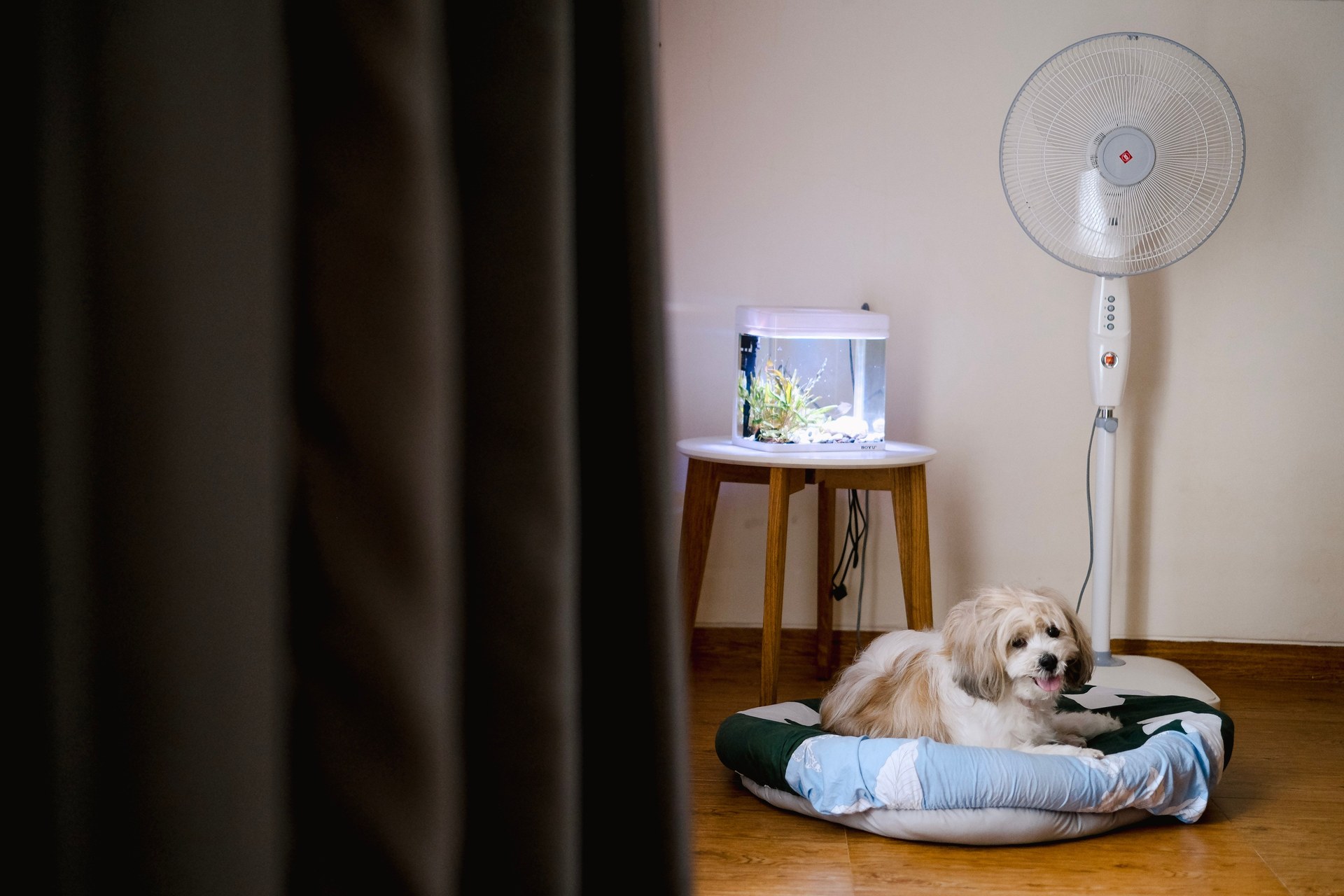
Feng shui treats an aquarium as a concentrated dose of moving water, and water is one of the five elements associated with wealth and career flow in several schools. The tradition holds that a tank should be clean, well-placed, and never in a bedroom — but none of this is universal, and the popular “eight goldfish, one black” rule comes from a single, fairly recent, commercial source rather than classical texts.
What does feng shui actually say about keeping fish indoors?
Classical feng shui texts discuss water in the landscape — rivers, ponds, the shape of a coastline — far more than they discuss tanks of fish in a house. An aquarium as a decorative object is a comparatively modern addition, shaped heavily by 20th-century commercial feng shui aimed at homes and offices in Hong Kong, Taiwan, and later the West. The core idea carried over from classical water theory is that moving water represents flowing wealth and opportunity, and that stagnant, dirty, or leaking water represents the opposite. An aquarium is judged, in this framework, largely by whether the water in it looks and stays clean.
Which school’s aquarium rules are these — BTB, Form, or Compass?
Most specific aquarium advice in English-language books and websites is BTB (Black Sect Tantric Buddhist) in origin, or comes from Hong Kong commercial feng shui consultants writing for a business clientele in the 1980s and 1990s. Classical Compass School (Liqi) does discuss water in terms of specific compass directions and the flying stars of a given year, and would place or avoid an aquarium based on calculation, not on a fixed spot that applies to every home. Form School (Xingshi) cares more about the shape and visibility of water in the landscape than about tabletop tanks at all. Readers who want the difference between these approaches explained properly can see Form School versus Compass School and, for the BTB adaptation specifically, what BTB actually changed.
Where is an aquarium supposed to go in a home?
The common commercial-feng-shui answer is the entrance area or a living room wall near the front of the house, on the reasoning that this is where wealth chi (qi) is said to enter and where it should be “collected” rather than let straight through. The same sources near-universally advise against a bedroom, on the reasoning that the sound, light, and constant motion of a tank disturb rest — a claim that overlaps with ordinary sleep hygiene rather than anything mystical. Kitchens are also usually discouraged, on the reasoning that the stove’s fire element and the tank’s water element are said to clash under Five Element theory. Readers working through a whole house this way may find the Entrances & Flow archive and the Room by Room archive useful for how these placement rules are argued room by room.
How many fish, and what colour, does feng shui recommend?
The most repeated figure — nine fish, eight of one colour and one black or dark — traces to Hong Kong commercial feng shui literature from the later 20th century, tied loosely to the number nine’s association with completeness in Chinese numerology and to the idea that a dark fish “absorbs” misfortune on behalf of the rest. No classical text specifies fish counts for a tank kept in a home; this is a modern popularisation, not an ancient rule, and different consultants give different numbers and colour combinations. Where a source is this recent and this specific, it is worth naming plainly rather than presenting it as timeless.
What about the shape and material of the tank?
Round or oval tanks are generally preferred in the popular literature over sharply cornered rectangular ones, on the same reasoning applied to furniture elsewhere in the house: a hard corner pointed at a seating or walking area is treated as a “poison arrow” (a concept explained at what a poison arrow is said to be). This is consistent with how the tradition treats sharp corners on other furniture. Glass and clear water are favoured; murky or algae-clouded water is discouraged in every version of this advice, which lines up with a plain practical reason — a dirty tank is unhealthy for fish regardless of any symbolic reading.
Does feng shui object to aquariums anywhere in the home?
Bedrooms are the most consistently discouraged location across sources, both on the water-versus-rest reasoning above and, in Five Element terms, because a bedroom’s chi is meant to be settled rather than active. Directly facing the main door from across a hallway is sometimes flagged too, on the reasoning that wealth chi entering the door would immediately hit water and be deflected out again — an argument that only makes sense within Compass School’s directional framework, not as a general rule for every house. Positioning behind a sofa or a desk is also generally discouraged, following the same logic used against indoor water features placed behind seating, since moving water behind a person’s back is said to work against the commanding position — a concept covered fully at what the commanding position actually means.
Is there a difference between an aquarium and a fountain or tabletop water feature?
Functionally, a filtered aquarium and a circulating tabletop fountain are treated almost identically in the popular literature — both are “moving water,” and both are read as symbols of active, flowing wealth rather than stagnant fortune. The practical difference is that an aquarium contains living animals, which brings in genuine animal welfare and maintenance obligations — filtration, feeding, water quality, tank size appropriate to the species — that a fountain does not carry. Anyone comparing the two symbolically can see the fuller discussion at what feng shui says about indoor water features.
Is there evidence that an aquarium’s placement affects anything measurable?
No controlled study demonstrates that a tank’s position, fish count, or fish colour affects a household’s finances, relationships, or health. What research does exist on aquariums sits in a different field entirely — some psychological studies associate watching fish swim with reduced measured stress markers, which is a claim about attention and calm, not about wealth or luck, and it says nothing about compass direction or fish numbers. Readers curious about how far the evidence for feng shui generally extends can see what the evidence actually shows and what the tradition claims versus what gets marketed.
What’s the practical case for or against keeping one?
Setting the symbolism aside, an aquarium is a piece of equipment with real upkeep: it needs a stable, level surface away from direct sun (which drives algae growth), away from heating and cooling vents (which stress water temperature), and near enough to an outlet for a filter and light without trailing cords across a walkway. Weight is a genuine consideration too — a large tank filled with water is heavy, and floor and furniture capacity matter more than any directional reading. None of this is feng shui; it is basic fishkeeping, and anyone taking on live animals should consult proper aquarium-keeping guidance on stocking, filtration, and species care rather than a feng shui source for that part of the decision.
How does an aquarium fit into a wider room layout?
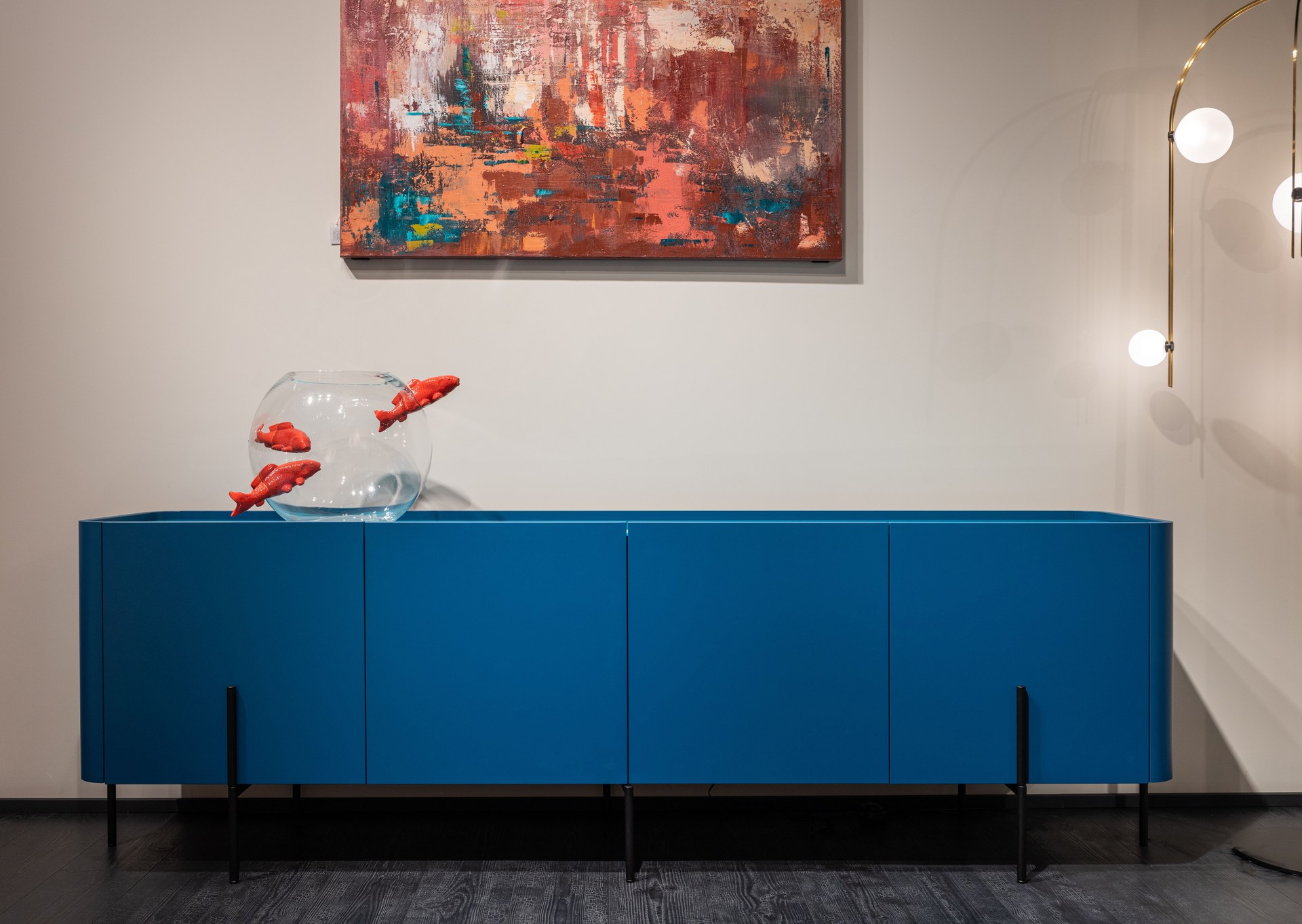
Because a tank is fixed, heavy, and needs its own outlet and clearance, it behaves like other large furniture in a room — it has to work with traffic flow, not against it. The same questions asked about a sofa or a sideboard apply: does it block a doorway sightline, does it sit in a path people actually walk, does it compete with a window for the same wall. These are covered generally at how furniture placement affects circulation and at the Layout & Furniture archive, both of which apply to a fish tank exactly as they would to a bookcase.
The bottom line
Feng shui’s aquarium advice is a mix of general Five Element reasoning about water as an element, some directional Compass School logic that only holds within its own system, and a large layer of specific, quotable rules — fish counts, colour ratios — that come from recent commercial sources rather than antiquity. None of it is evidence that a tank changes a household’s fortunes, and none of it should be read as animal-care guidance. A clean, stable, well-placed tank kept for its own sake, away from a bed and out of a direct walking path, satisfies both the tradition’s stated reasoning and ordinary common sense — which is often where feng shui’s more durable advice ends up.
About this site. Feng Shui Pack explains what the feng shui tradition holds and which school holds it, from published sources. Feng shui is a tradition of placement and orientation, not a science: nothing here will bring you wealth, health, luck or a relationship, and we never claim otherwise. Where a suggestion has an ordinary practical reason — daylight, airflow, sightlines, less clutter — we say so; where it does not, we say that too. This is not medical, financial, legal or tenancy advice. If a decision matters, talk to a professional in that field.