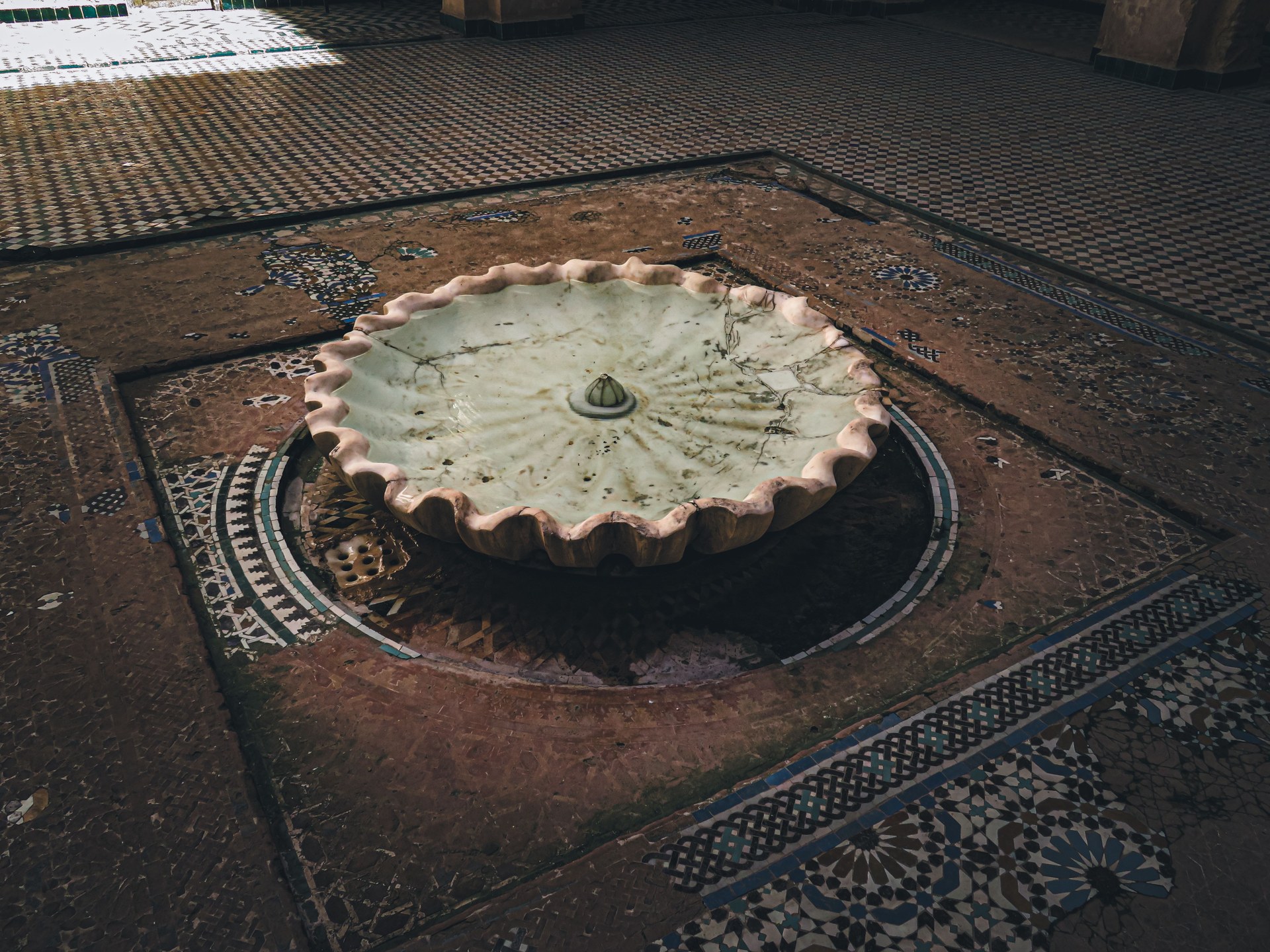
Feng shui treats water as one of the five elements, and moving water indoors — a tabletop fountain, an aquarium, a wall-mounted feature — is read as an active symbol of that element rather than a neutral decoration. What it is said to do, and where it should or shouldn’t go, depends heavily on which school of feng shui is being consulted, and the traditions do not agree with each other.
What does feng shui actually say about indoor water features?
Water is one of the five elements alongside wood, fire, earth and metal, and each is assigned qualities, directions and associations that differ by school. A moving water feature is treated as a concentrated dose of the water element — visually and, some practitioners argue, in terms of the humidity and sound it introduces into a room. The tradition’s claims about what that dose “does” for a household are attributed beliefs, not something with independent evidence behind them; see what evidence exists for feng shui claims generally for context on how the wider tradition is evaluated.
Why is water linked to wealth in feng shui?
In the Black Sect (BTB) adaptation of feng shui, popularised in the West from the late 20th century, the bagua map is laid over a floor plan starting from the front door, and one zone of that map is conventionally labelled “wealth.” A fountain or aquarium placed in that zone is a common BTB recommendation, on the reasoning that moving water symbolises the circulation of resources through a household. This is a BTB-specific claim, not a classical one — see how the BTB system works and where it departs from older schools for the fuller picture.
Where does Compass School disagree?
Classical Compass School (Liqi) does not fix a “wealth corner” from the front door at all. It assigns water to the north and to the trigram Kan, and more advanced Compass practice — particularly Flying Star (Xuan Kong) astrology — calculates favourable and unfavourable positions for water based on a building’s construction date and the compass direction it faces. Under this method, water placed well in one building could be considered poorly placed in an identical building next door, because the underlying chart differs. Form School and Compass School disagree on far more than water placement, and readers using online bagua templates should know which system they’re actually following — see how a bagua map is oriented to a real floor plan.
Because Flying Star calculations require the building’s facing direction and year of construction, no general rule about “the best wall for a fountain” can honestly be given without them. Where a source states one anyway, it is very likely simplifying BTB guidance rather than reporting classical Compass practice.
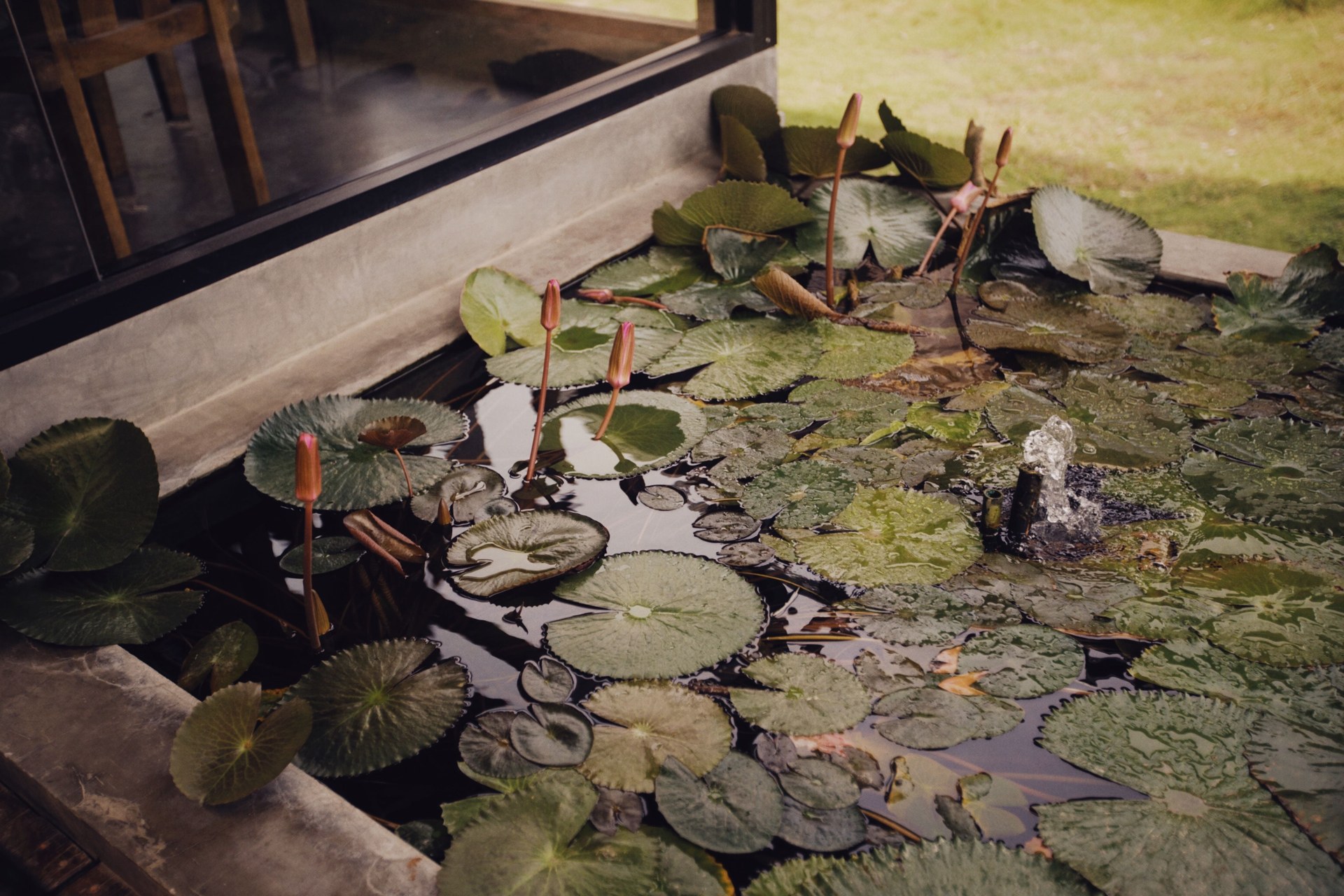
Are fountains and aquariums treated differently?
Both are read as water-element objects, but aquariums add a second layer: live fish. In several strands of Chinese folk practice, particular numbers or colours of fish (arowana and koi are commonly cited) carry their own attributed symbolism, separate from the water itself. This site does not recommend acquiring animals, or any object, to produce an outcome — see the site’s general position under what feng shui actually claims, and what it doesn’t. Keeping fish is a genuine animal-welfare and maintenance commitment (filtration, tank size, feeding, water quality) that has nothing to do with feng shui and everything to do with basic animal care; anyone considering a tank should look to aquarist guidance, not decor advice, for that part.
Does placement near the stove or bathroom matter?
The five elements interact in two named cycles: a productive cycle, where each element supports the next, and a destructive cycle, where each element controls another. Water sits opposite fire in the destructive cycle — water extinguishes fire — which is the reasoning some practitioners give for keeping a water feature away from the kitchen stove, which is treated as a fire-element fixture. See how the destructive cycle is defined and where feng shui generally places the stove for the fuller reasoning on that pairing. Practically, keeping any electrical water feature away from a cooking surface is also straightforward kitchen safety, independent of any symbolism.
Bathrooms raise a different question. Because a bathroom already involves plumbing, some practitioners consider it already saturated with the water element and see no benefit — sometimes a drawback — in adding a decorative fountain there. Others don’t treat this as an issue at all. There is no classical consensus, and where sources assert one, it’s worth asking which school they’re drawing from; see how feng shui more broadly treats the bathroom for related reasoning about that room.
What’s the practical case for and against an indoor water feature?
Setting the symbolism aside, there are ordinary physical reasons a household might want, or avoid, moving water indoors:
- Sound masking. A quiet fountain can cover street noise or a noisy shared wall — the same logic behind white-noise machines, unrelated to feng shui.
- Humidity. Any open or moving water source raises local humidity. In a dry climate or over-heated room this can be a genuine benefit; in a humid one, or a room with poor ventilation, it can encourage condensation and mould. See the Light & Air section for how ventilation and airflow are treated more generally.
- Electrical safety. Pumps run on mains or low-voltage electricity near standing water. Placement, cord routing and circuit protection are a job for a qualified electrician, not a design choice — this is not something a feng shui rule should override.
- Maintenance and stagnation. Water that isn’t cleaned or circulated properly can grow algae or become a breeding site for insects. A water feature is an ongoing task, not a one-time purchase.
This article is not medical, structural or electrical advice. Questions about mould, damp or wiring should go to a qualified tradesperson or, where health is a concern, a medical professional — not to a feng shui guide.
So where’s a reasonable place to put one, if at all?
There’s no single answer the traditions agree on, which is itself the honest answer. A household following BTB convention might place a small fountain in the zone its bagua overlay marks as “wealth,” typically toward the rear-left of the home as mapped from the front door. A household working with a Compass School or Flying Star practitioner would base placement on a chart specific to that building, not a generic template. A household with no interest in either system might simply choose a spot based on the ordinary factors above: away from electronics and cooking heat, somewhere ventilation can carry off the extra humidity, and somewhere the sound is welcome rather than intrusive.
Where a water feature sits near an entrance, it’s worth reading it alongside the entry itself — see why the front door is called the “mouth of chi” and what that framing implies — since several schools treat the entrance as the point where a home’s chi is thought to enter, for better or worse. For furnishing decisions elsewhere in the home, the Objects & Materials section and the Basics section cover how individual elements, colours and materials are read across the different schools this article has referenced.
No practical rationale is given, in any school, for why water specifically should be tied to wealth rather than, say, growth or calm — that association is cultural and symbolic, and readers can weigh it as such rather than as an outcome the tradition can demonstrate.
About this site. Feng Shui Pack explains what the feng shui tradition holds and which school holds it, from published sources. Feng shui is a tradition of placement and orientation, not a science: nothing here will bring you wealth, health, luck or a relationship, and we never claim otherwise. Where a suggestion has an ordinary practical reason — daylight, airflow, sightlines, less clutter — we say so; where it does not, we say that too. This is not medical, financial, legal or tenancy advice. If a decision matters, talk to a professional in that field.