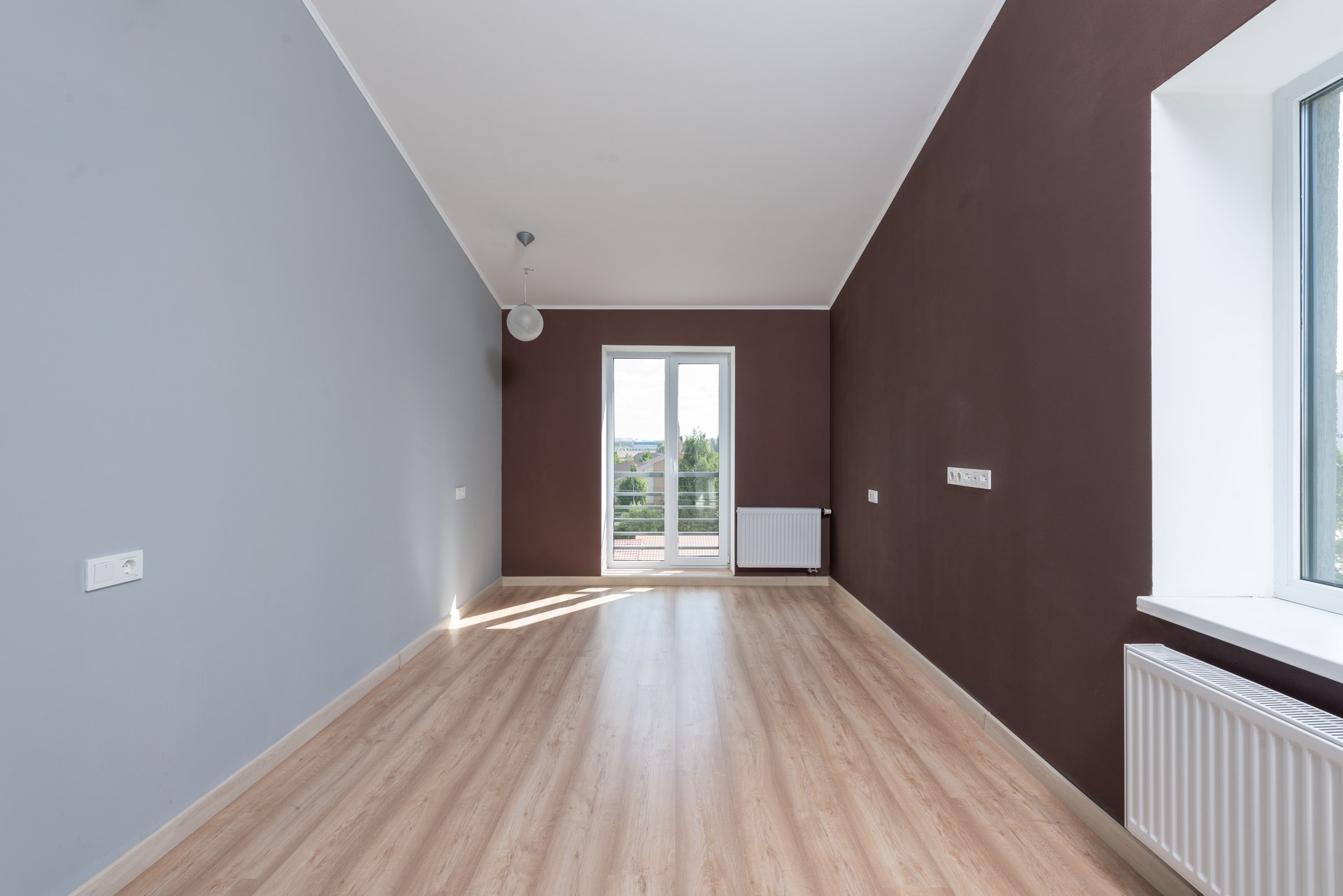
A renter can change almost anything that isn’t structural: furniture position, lighting, textiles, plants, scent, storage, and what a visitor sees first on entering. A renter cannot change the building’s orientation, its fixed windows and doors, load-bearing walls, or a neighbour’s balcony. The tradition has more to say about the first category than most people assume.
What actually counts as “fixed” in a rented home?
Fixed means the landlord’s property and the building’s own geometry — walls, window and door openings, the direction the block faces, plumbing runs, and anything requiring a deposit-risking alteration to move. Everything else — where the sofa sits, what hangs on a wall, what’s stored under a bed — is the tenant’s to arrange, and this is where feng shui advice is actually usable, rather than aspirational.
Compass School (Liqi) readings depend on the building’s true orientation, which a tenant cannot alter. Form School (Xingshi) is largely about what’s visible and how a space is shaped, which a tenant works with as found. The Western Black Sect (BTB) adaptation, which underlies most English-language advice online, maps a bagua from the front door and is almost entirely about arrangement rather than construction — which is precisely why it travels so well into rented housing, whatever a reader makes of the framework itself.
Can a renter move the bed?
Yes, in almost every rented bedroom, and this is the single most-discussed placement in the tradition. The commanding position — a bed placed so the sleeper can see the door without lying directly in line with it — is a matter of arrangement, not construction, and works within four rented walls as well as an owned ones.
Where a bedroom is small, an alcove, or has a door and window in awkward relation to each other, applying the commanding position in a small room covers the compromises that come up in practice. Where the bed genuinely cannot be moved to face the door — a common issue in boxy rented rooms — the tradition’s usual suggestions when the bed can’t be moved are worth reading before assuming nothing can be done. None of this is sleep medicine; where sleep quality is a genuine, ongoing concern, that’s a matter for a GP, not a layout adjustment.
What about the front door and entryway?
The door itself, its colour, and its swing are usually the landlord’s to decide. What sits in front of it, on it, and immediately behind it inside the flat is the tenant’s. Clutter at the entrance, mirrors facing the door, and what’s stored in a hallway are all things a renter controls regardless of who owns the lease.
In BTB practice the entrance is treated as the point chi (qi) is said to enter the home, which is why so much attention goes to what’s stacked behind a rented front door — shoes, bikes, post. What actually belongs in an entryway and why clutter at the entrance is treated as a first problem both describe changes that need nothing from a landlord. A renter in a flat with no separate hallway at all has a slightly different set of options, covered in handling a home with no hallway.

Can lighting and air be changed without altering the fixtures?
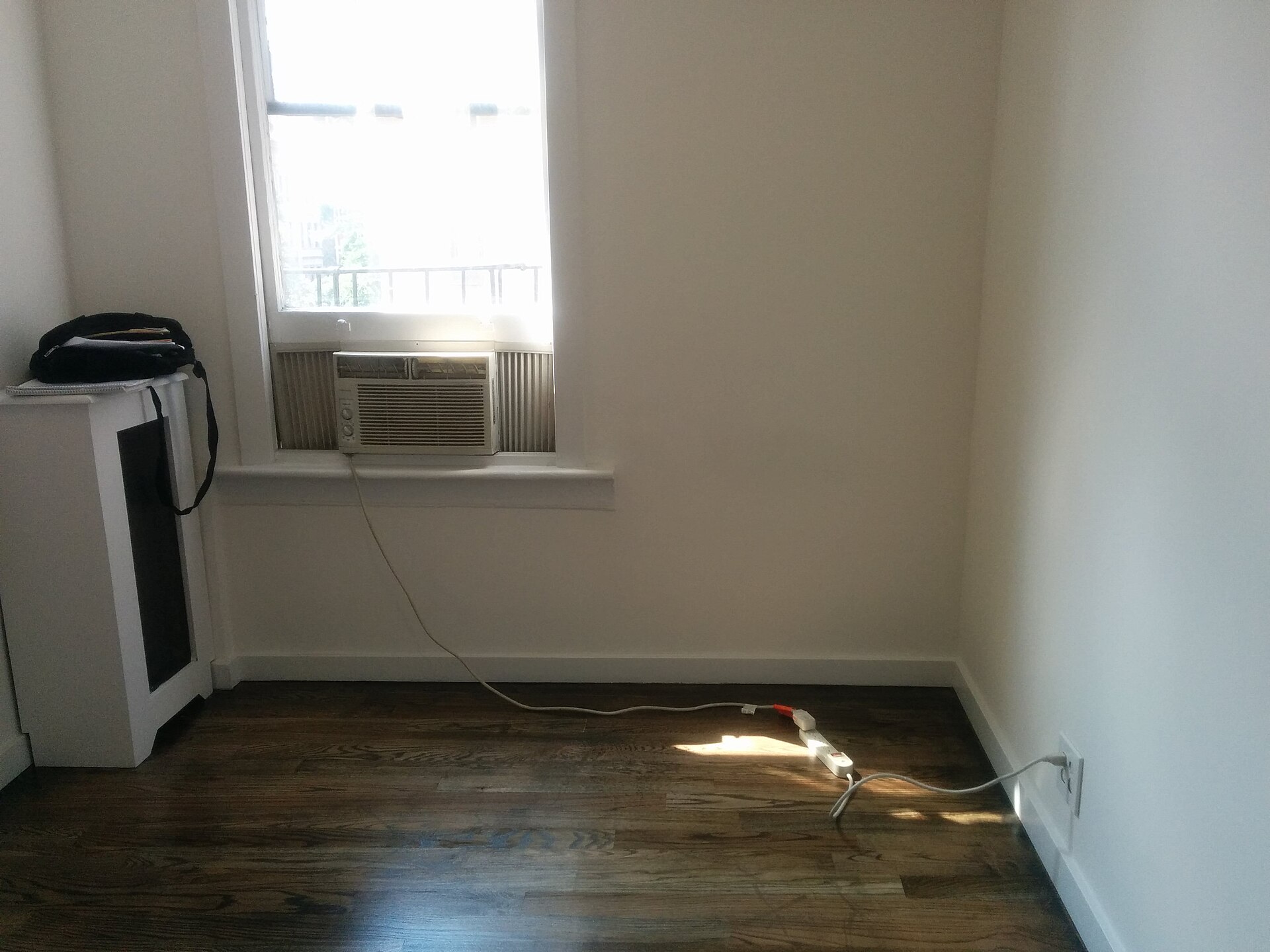
Largely yes. A tenant cannot move a window, but can control what covers it, what sits in front of it, and what kind of artificial light replaces daylight after dark — all without breaching a standard tenancy agreement.
- Curtains, blinds and rugs are textile changes a tenant makes freely; see what feng shui says about window coverings.
- Lamps and layered lighting replace a single harsh overhead fixture without any wiring work; layering artificial lighting covers the reasoning, which is as much about even light distribution as tradition.
- Ventilation and houseplants address stale air in a room with limited windows — a genuinely practical concern independent of any school of feng shui, and one worth taking seriously in poorly ventilated rented flats.
Where a room has no window at all, which is common in converted or subdivided rentals, the options are narrower and are set out plainly in what feng shui says about a room with no window — this is a case where the honest answer is that some problems are structural and stay that way until the tenant moves.
What can be changed with objects and materials?
Almost everything portable. Artwork, mirrors, clocks, rugs, wooden or metal furniture, scent, and what’s displayed on open shelving are all tenant-controlled, and this is where feng shui advice online tends to get most speculative — and most sellable.
This site does not recommend buying an object to produce an outcome; why “buy this lucky object” is weak feng shui advice explains the reasoning behind that position directly. Where an object is genuinely part of the tradition — a mirror facing a bed, a clock in a bedroom, a broken item kept out of habit — the practical and the attributed-tradition reasoning are laid out separately in mirror facing the bed, clocks in feng shui, and broken or unused objects. None of these require landlord permission or a security deposit risk to address.
What if the layout itself is the problem?
Some layout problems are genuinely fixable by a tenant with furniture and textiles alone; others are structural and are not solved by rearrangement, however creative. Knowing which is which before signing a lease, or before spending money on a rented flat, saves a good deal of frustrated effort.
Which layout problems are fixable in feng shui — and which aren’t sets out that distinction directly. A beam over a bed, a door directly in line with another door, or a sharply angled room can sometimes be softened with furniture and sometimes cannot — the practical honesty of saying so is more useful than a rule that pretends every layout yields to enough effort.
For anyone weighing a rented flat before signing, assessing a floor plan before viewing and the home viewing checklist both work from the floor plan and orientation — the two things that won’t change once the lease is signed, however the furniture ends up arranged.
Does any of this replace reading the tenancy agreement?
No. Nothing in feng shui practice overrides what a lease permits or forbids — drilling into walls, repainting a door, installing fixed shelving, or altering plumbing and wiring are all matters for the landlord’s consent, not the tenant’s preference. This article is not legal advice on tenancy rights, and any dispute over what a lease allows should go to the tenancy body, ombudsman, or solicitor relevant to the reader’s own jurisdiction, not to a feng shui guide.
What the tradition offers a renter is a way of thinking about a temporary, unowned space that still has to function as a home for a year or two: what’s arranged, not what’s built. For a wider view of what that arrangement can and cannot do, what feng shui says about renting and can’t-change things covers the same ground from the other direction — starting with the constraints, rather than the freedoms.
For readers wanting the underlying framework rather than a single scenario, the basics of what the tradition holds, and what it doesn’t and the room-by-room guide to entrances, flow and small spaces are the two hub pages this article draws from throughout.
About this site. Feng Shui Pack explains what the feng shui tradition holds and which school holds it, from published sources. Feng shui is a tradition of placement and orientation, not a science: nothing here will bring you wealth, health, luck or a relationship, and we never claim otherwise. Where a suggestion has an ordinary practical reason — daylight, airflow, sightlines, less clutter — we say so; where it does not, we say that too. This is not medical, financial, legal or tenancy advice. If a decision matters, talk to a professional in that field.