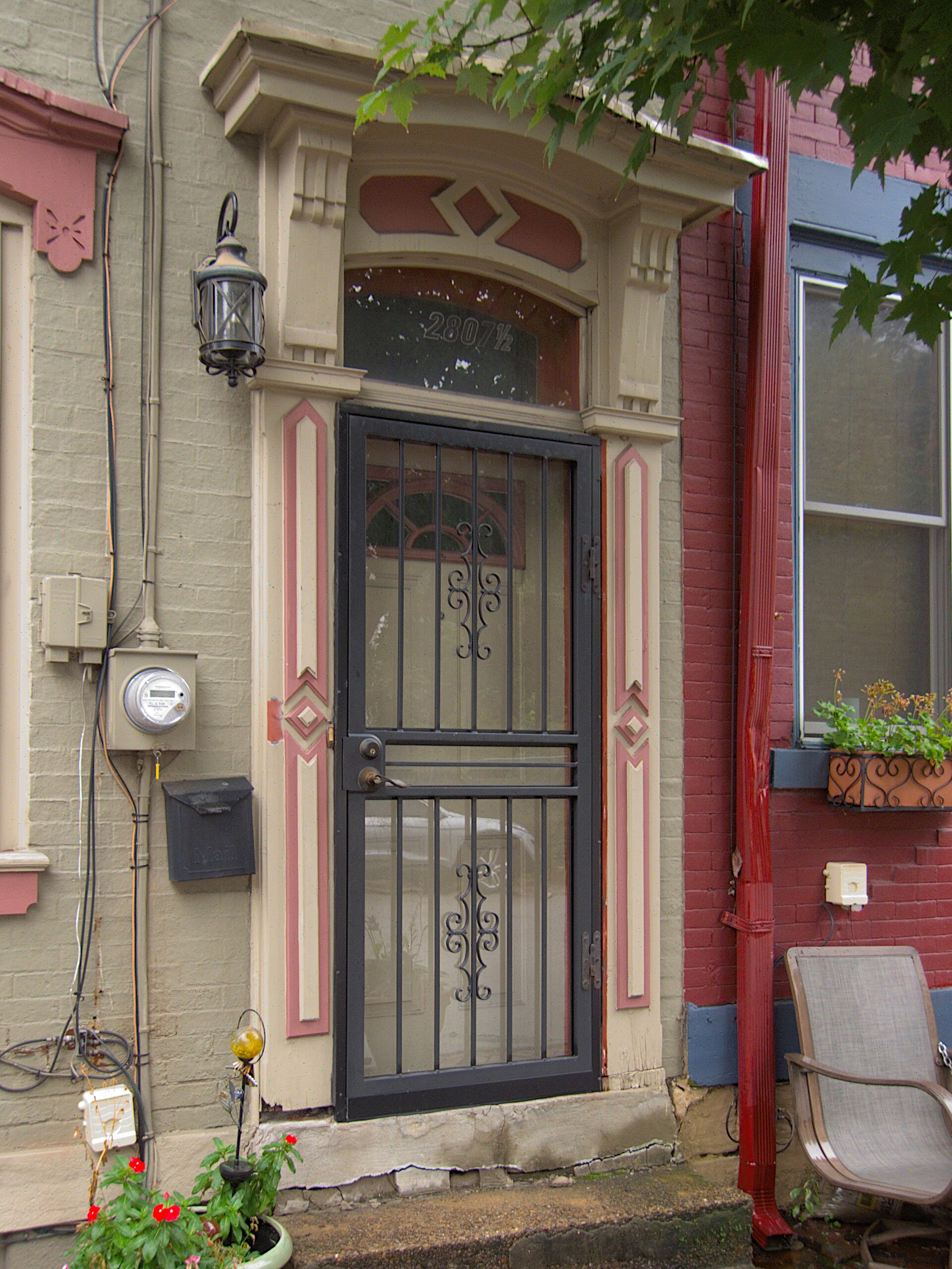
In the tradition, a back door lined up directly with the front door is described as a path that lets chi (qi) enter and leave a home too quickly, without circulating through it first. The concern isn’t the doors themselves — it’s the straight, uninterrupted line between them, which several schools treat as a design flaw rather than a fixed doom.
What does feng shui actually say about this layout?
The classical concern is about speed and retention, not the doors as objects. If chi enters the front door and exits directly through a back door on the same axis, the traditional reading is that the energy has no chance to slow down, spread through the rooms, or “settle.” Some practitioners describe this as the house “not holding” what comes in.
This is a variant of a broader idea covered in what a “poison arrow” is in feng shui — a straight, fast line of movement aimed through a space is generally treated as disruptive, whether it’s a hallway, a corridor of doors, or a sightline between two openings.
Why is a straight front-to-back line considered a problem at all?
The reasoning given across most sources is consistent: a home is supposed to accumulate and circulate chi, not funnel it straight through. The front door is sometimes called the “mouth of chi” — the main point of entry for energy into the home — and a detailed explanation of that term and what it implies is covered separately in what the “mouth of chi” means and why the front door is described that way.
If everything that enters through that mouth exits immediately through a back door on the same line, the tradition holds that the household doesn’t get the benefit of it. No practical outcome is promised or measured here — this is a symbolic reading, and it should be understood as one.
Does this rule come from Form School, Compass School, or BTB?
This is one of the rare feng shui rules that shows up across all three major traditions, though for different reasons.
- Form School (Xingshi), which reads a building’s physical shape and surroundings, treats a direct line from front to back door as a structural weakness in how a house handles movement and airflow, independent of compass direction.
- Compass School (Liqi) layers direction and the flying stars onto the same concern, treating the specific bearing of the line — and which sector of the bagua it cuts through — as adding or easing the severity of the issue.
- The Western Black Sect (BTB) adaptation, which is the version most common in English-language and North American feng shui writing, keeps the same basic objection but drops the compass step, working instead from the front door regardless of which direction it faces.
The difference between these approaches is explained in more depth in Form School vs Compass School: the difference and in Black Sect (BTB) feng shui: what it is, and why it spread. Most consumer advice on this topic is BTB-derived without saying so, which is worth knowing before treating any single fix as universal.
Is there a practical reason for this, or is it purely traditional?
There’s a genuine, non-symbolic reason a front-to-back straight line matters in a home, separate from the feng shui reading of it. A corridor running directly from the front door to a back door tends to carry sound and drafts more efficiently than a broken layout, and it removes the buffer zone that lets a household register who has arrived before that person is standing in the living space. Some architects and interior designers raise similar points about sightlines and privacy independent of feng shui entirely.
Beyond that, no practical rationale is given for the specific claim about chi “escaping” — that part is the tradition’s own framework, and it should be read as such rather than as an engineering fact.
What remedies does the tradition suggest?
Because moving a back door is rarely realistic, most advice focuses on interrupting the straight line rather than changing the doors themselves. Commonly suggested approaches include:
- Placing furniture, a rug, or a plant partway along the line to break the direct sightline and slow movement through the space.
- Hanging a piece between the two doors — often described in BTB sources as slowing the “flow” — though this is a symbolic device, not a physical one, and the tradition doesn’t claim it changes airflow or sound.
- Using a screen, room divider, or a change in flooring to visually separate the entry zone from the rest of the run.
- Keeping the corridor itself free of clutter, which is discussed in more general terms in why feng shui objects to a cluttered entrance and in how a hallway should be treated.
None of these are presented in reputable sources as guaranteed to change a household’s fortune, finances, or health — that would be an outcome claim this site does not make, and no serious practitioner claims it either. They are described as ways of adjusting how a space is used and perceived.
Does the rule apply to a back door and a window, not just a door?
Some sources extend the same reasoning to a front door lined up with a large rear window rather than a second door, on the grounds that a window is also an opening through which chi is said to pass. This is treated as a milder version of the same concern in most texts, since a window doesn’t function as a walking route the way a second door does. The practical overlap — glare, draft, and a direct outside sightline into the home — is a separate, non-symbolic issue that a homeowner may want to address on its own terms.
What about apartments or shared hallways where the layout can’t be changed?
In many apartment buildings, the position of the front door, the layout of interior walls, and any rear door or balcony exit are fixed by the building’s design and cannot be moved by a tenant or owner. The tradition doesn’t treat this as a dead end — the remedies above (furniture placement, a rug, a divider) are aimed specifically at situations where structural change isn’t possible.
This is a case where the difference between schools genuinely matters: a Compass School practitioner would want to know the exact bearing of the line before suggesting anything specific, while a BTB approach would work from the door as experienced, without reference to compass direction. Neither can promise a result — see why feng shui rules contradict each other so often for a fuller account of why this kind of disagreement between schools is normal rather than a sign that one side is simply wrong.
How does this connect to other entrance and doorway rules?
A front-to-back door alignment sits alongside a cluster of related concerns the site covers separately: two doors directly facing each other within a home, a staircase facing the front door, and what belongs — or doesn’t — in the entryway itself. These are all treated in the tradition as variations on the same underlying idea: that the front door is a threshold worth managing deliberately, not a detail to overlook.
- Two doors facing each other: what feng shui actually says
- Staircase facing the front door: what feng shui says
- What should be in an entryway, and what shouldn’t
For the underlying mechanics of what “chi” is claimed to be and how it’s said to move through a building at all, see what chi is, and what energy flow means in feng shui. Readers wanting the wider context for how entrances and circulation are treated across a home can start at the Entrances & Flow hub, and readers new to the subject generally may prefer the The Basics hub as a starting point.
Is any of this backed by evidence?
No controlled study has tested the claim that a straight line between a front and back door affects a household’s fortune, and the tradition itself is a symbolic and design framework rather than a measurable one. What can be assessed independently is the ordinary architectural point — that a long unbroken sightline through a home affects privacy, draft, and how sound travels — and that part stands on its own regardless of what tradition is invoked. A broader look at what can and can’t be checked about feng shui claims generally is at is there evidence for feng shui? What kind exists.
This article is a description of a design tradition, not structural, safety, or renovation advice. Anyone considering moving a door, adding a wall, or altering a fire escape route should consult a licensed architect, builder, or their local building authority before making changes.
About this site. Feng Shui Pack explains what the feng shui tradition holds and which school holds it, from published sources. Feng shui is a tradition of placement and orientation, not a science: nothing here will bring you wealth, health, luck or a relationship, and we never claim otherwise. Where a suggestion has an ordinary practical reason — daylight, airflow, sightlines, less clutter — we say so; where it does not, we say that too. This is not medical, financial, legal or tenancy advice. If a decision matters, talk to a professional in that field.