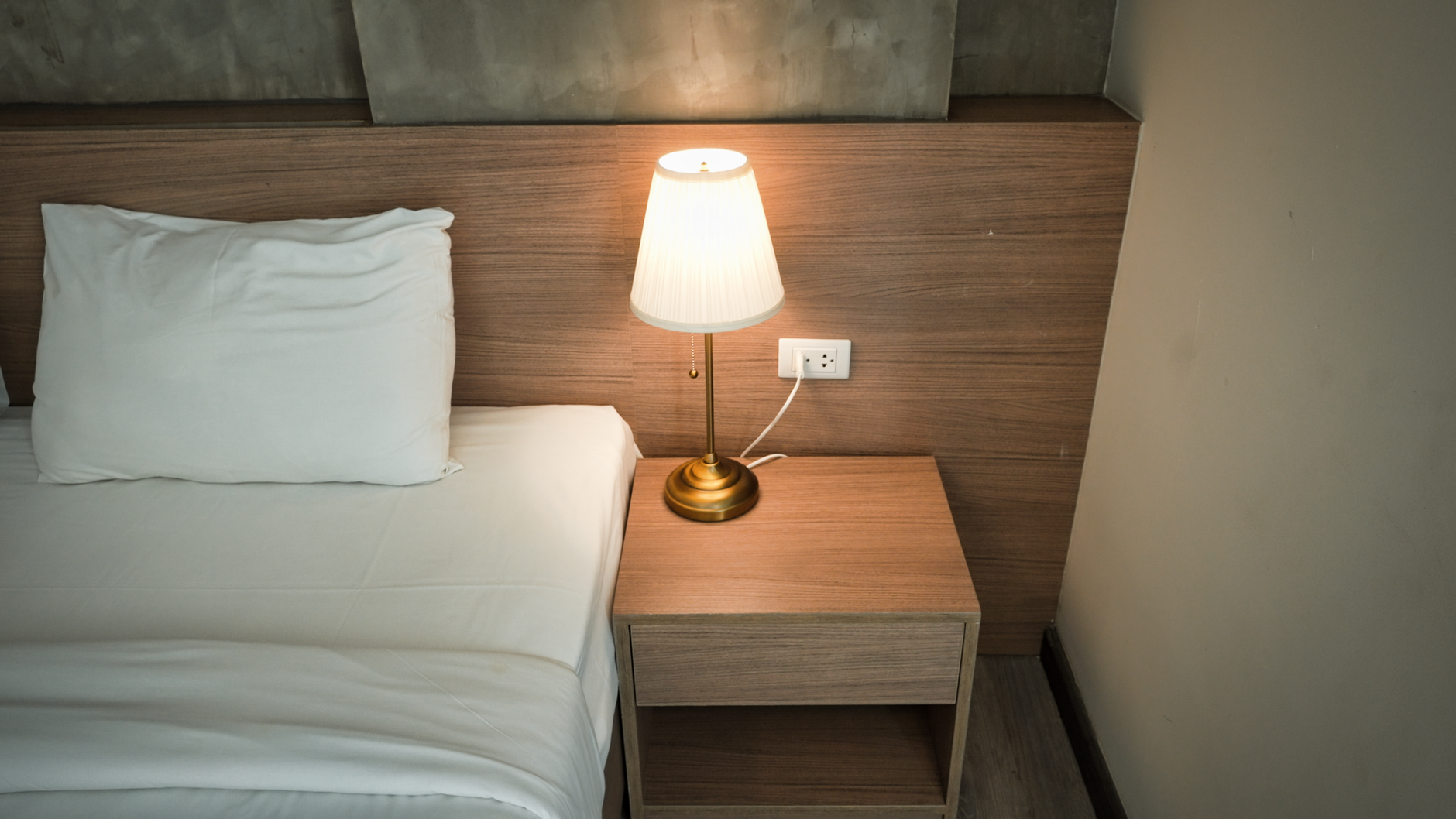
Form School feng shui generally treats a bedroom above a garage as a weak position, because the room sits over an empty, unsupported space rather than solid ground or living space below it. The tradition reads this as a lack of “support” for whoever sleeps there. It is not a rule found in classical Chinese texts, which predate the attached garage, but a modern extension of older ideas about what should sit beneath a bed.
Why does an empty space below the bedroom matter?
In Form School (Xingshi) reasoning, a bedroom benefits from having solid, “full” space underneath it — a room used and occupied, not a void. A garage is usually unheated, often has a large door that lets in temperature swings and street noise, and sits empty for long stretches. The concern is symbolic rather than structural: the room above is thought to lack a stable foundation of supportive chi (qi), the term for the ambient energy or flow the tradition assigns to a space.
No engineering claim is being made here. A garage floor and structure can be perfectly sound; the objection is about what the space represents, not whether it can bear weight. Readers who want the structural side of this — insulation, subfloor, load-bearing questions — should consult a builder or structural engineer, not a feng shui source.
Is this rule found in classical feng shui texts?
No. Classical Form School and Compass School (Liqi) texts describe siting a house relative to hills, water and terrain, and describe the internal layout of a home relative to its main door and the eight compass directions. The attached, ground-floor garage is a 20th-century Western building type, so no historical text addresses it directly. The reading given today is an extrapolation of an older principle — that a bedroom should have solid support beneath it — applied to a modern floor plan.
The Western Black Sect adaptation, known as BTB, tends to be less concerned with what is physically underneath a room and more focused on the bagua (pa kua) map laid over the floor plan from the front door. A BTB-oriented reading is likelier to ask which bagua area the garage-bedroom falls into than to raise the “empty space below” objection at all. This is one of many points where the two traditions genuinely disagree rather than one simply being a stricter version of the other — a distinction covered at greater length on the site’s Form School vs Compass School page.
What is actually said to be the problem — the garage itself, or what’s in it?
Practitioners who raise this concern usually point to three things about the garage specifically, rather than the fact of a void in the abstract:
- Vehicles are associated with exhaust, fuel and mechanical activity — read as active, disruptive energy directly beneath a room meant for rest.
- Garages commonly become storage for clutter, tools and unused items, which the tradition treats as stagnant chi collecting under the bedroom.
- The garage door is a large, often poorly sealed opening, which in practical terms does affect temperature, draughts and noise reaching the room above.
The third point is the one with an ordinary, checkable rationale: a large door and an unheated space below can genuinely make the room above colder, noisier and more prone to fumes drifting up through gaps, particularly around plumbing or ductwork penetrations. That is a building-science issue, not a feng shui one, and it is worth raising with a contractor if the room feels notably colder than the rest of the house.
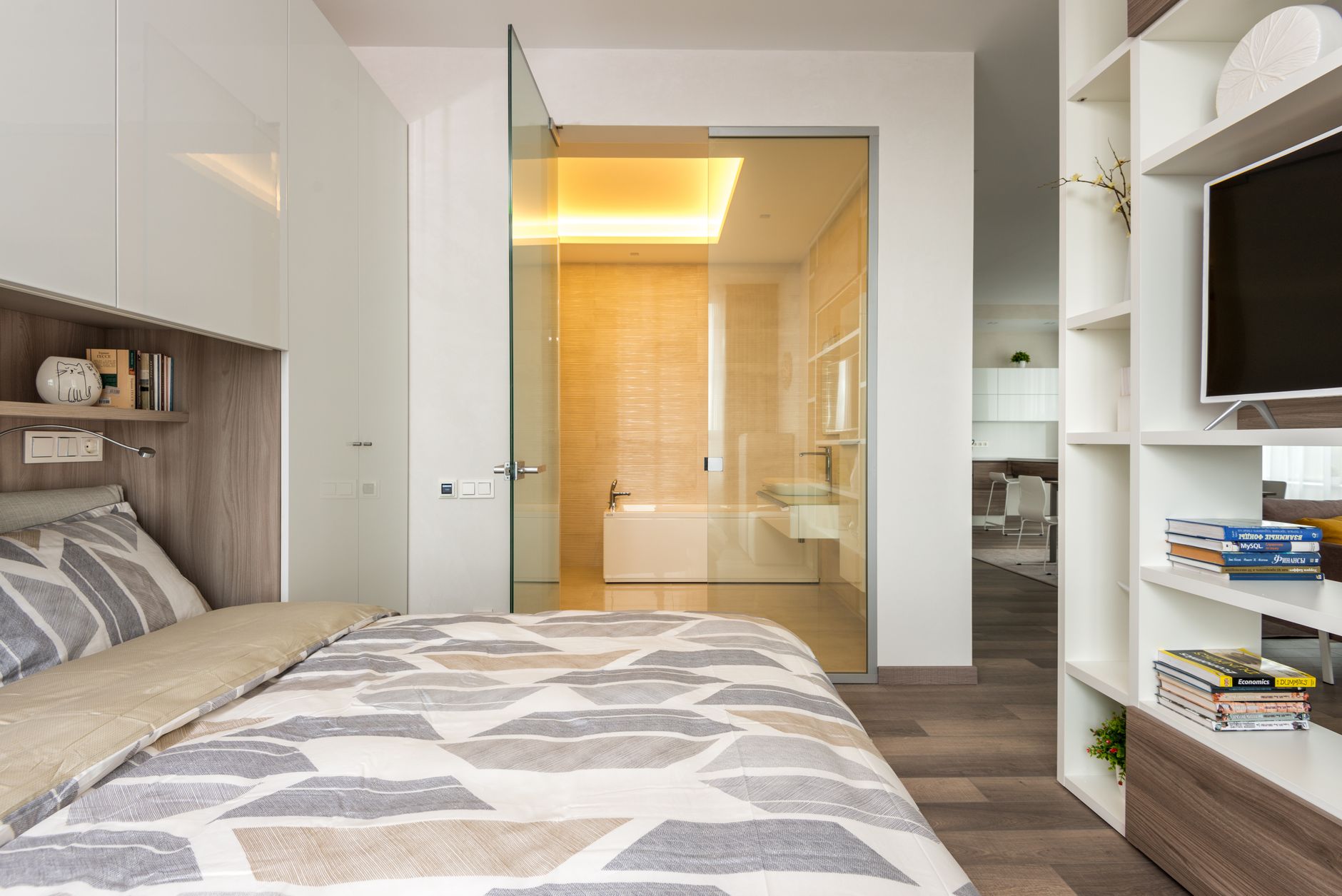
Does it matter which part of the house the garage sits under?
In a bagua-based reading, position matters as much as the fact of the garage existing. The BTB adaptation maps nine life areas — including wealth, career, relationships and health — onto the floor plan starting from the front door wall, a method described on the site’s guide to orienting a bagua map. A garage-bedroom sitting in the area BTB associates with health, for instance, is treated differently from one in the area associated with, say, knowledge or reputation.
Classical Compass School practitioners would instead use a compass reading of the whole building’s facing direction, not the bagua-from-door method, to assess the same room — another point covered in the site’s explainer on what the bagua actually is and how it’s used. Because these methods produce different answers from the same floor plan, no single verdict about a garage-bedroom’s “area” holds across schools. Readers encountering confident, universal claims about this should treat them with the caution outlined in the site’s piece on why feng shui rules contradict each other so often.
What is commonly suggested for a bedroom above a garage?
Suggestions clustered around this layout tend to fall into a few recurring categories. None of them are presented here as things that will produce an outcome — only as what is commonly advised and, where relevant, why it has an ordinary basis as well as a symbolic one.
- Keep the garage itself uncluttered and reasonably organised. The reasoning given is that visible clutter below is read as stagnant chi rising into the room above; the practical benefit is a garage that’s easier to use and safer to move through.
- Address draughts and insulation around the garage ceiling. This is a genuine building-performance fix — sealing gaps and insulating the garage ceiling can measurably reduce cold transfer and noise, independent of any feng shui framing.
- Pay attention to bed placement within the room, since the tradition treats the bed’s position as the single most consequential decision in any bedroom, garage or not — covered in detail on the site’s guide to where the bed should go in a bedroom and its companion piece on the commanding position.
- Treat the room like any other bedroom in terms of door alignment and headboard placement, since being above a garage doesn’t override those separate considerations — see the site’s notes on bedroom door alignment and headboard positioning.
Is there a fix, or is the layout considered fixed once built?
Practitioners generally treat this as a layout that can be worked with rather than one requiring structural change. Suggested adjustments are almost always about what happens inside the two rooms — garage below, bedroom above — rather than about moving the garage or rebuilding the house, which is neither realistic nor something feng shui claims to require.
Some sources recommend placing specific objects in the garage or bedroom said to counteract the effect. This site does not repeat those recommendations as things to buy, in line with its general position on charms and objects sold as fixes: what an object is said to do is worth explaining, but purchasing one is a decision for the reader, not a suggestion made here.
Where the room’s problems are genuinely about temperature, noise or air quality rather than symbolism, an insulation contractor or HVAC technician is the relevant professional — this is a building-performance question, not a feng shui one, and nothing in this article should be read as a substitute for that advice.
Does this affect resale or how a buyer should think about the house?
Feng shui consultants are sometimes retained by buyers or sellers, particularly in markets with a strong feng shui-literate buyer base, and a bedroom over a garage can come up in that context. But this is a matter of individual buyer preference and belief, not a documented, universal effect on property value, and this article makes no claim about resale outcomes. Anyone weighing a property decision on this basis should treat it as one buyer preference among many, and seek independent financial or real estate advice for the transaction itself — this is not financial advice.
How does this fit with feng shui’s broader approach to bedrooms?
A garage below is one factor among several the tradition applies to any bedroom — alongside door alignment, headboard placement, what sits under the bed, and whether the room has a stable, supported feel more generally. The site’s Room by Room archive covers how these principles are applied across different rooms, and the Layout & Furniture archive goes into bed and furniture placement in more depth for readers arranging a bedroom above a garage or anywhere else in a home.
For readers new to the underlying framework — what a bagua map actually maps, and where BTB and classical Compass School genuinely part ways — the site’s Basics archive is the starting point, alongside the dedicated page on Black Sect (BTB) feng shui and why it spread.
About this site. Feng Shui Pack explains what the feng shui tradition holds and which school holds it, from published sources. Feng shui is a tradition of placement and orientation, not a science: nothing here will bring you wealth, health, luck or a relationship, and we never claim otherwise. Where a suggestion has an ordinary practical reason — daylight, airflow, sightlines, less clutter — we say so; where it does not, we say that too. This is not medical, financial, legal or tenancy advice. If a decision matters, talk to a professional in that field.