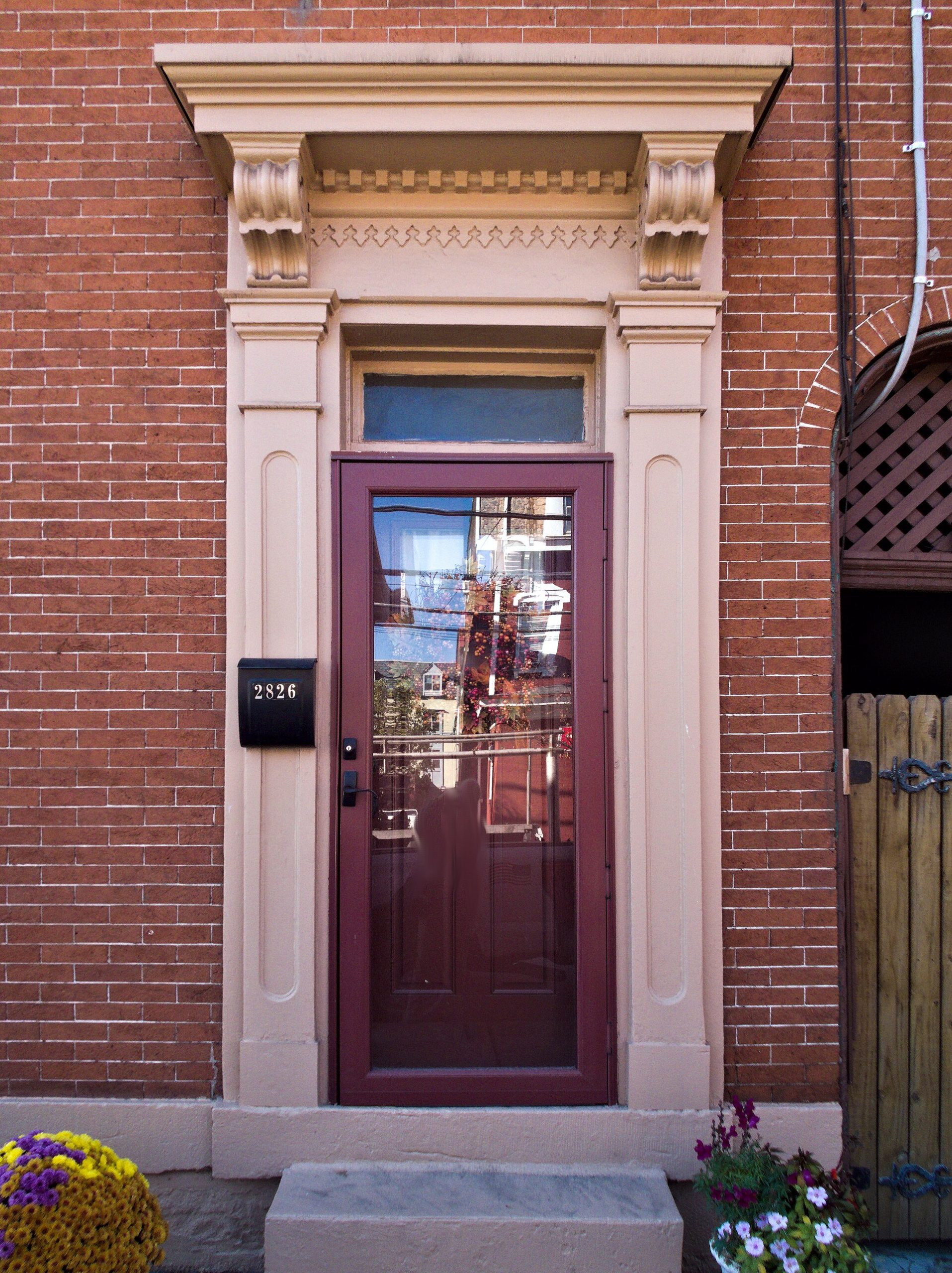
There is no single correct answer. Classical Compass School ties a front door’s ideal colour to which compass direction it faces, using the five elements. The BTB adaptation, more common in Western books, instead ties colour to which “life area” of the bagua map the door falls into. The two systems can give different answers for the same door.
Does feng shui actually specify a front door colour?
Not as a single rule. Feng shui is not one text but several schools of practice that developed separately and sometimes contradict each other — a point covered in more detail in why feng shui rules contradict each other so often. Colour advice for a front door is one of the clearest places this shows up, because Compass School and BTB start from different premises entirely.
What does Compass School say about door colour?
Compass School (Liqi) links colour to the compass direction the door faces, using the five-element system of correspondences. A south-facing door, associated with the fire element, is traditionally discussed alongside red or other fire-associated tones. A north-facing door, associated with water, is discussed alongside black or dark blue. An east or southeast-facing door, associated with wood, is discussed alongside green or brown. A west or northwest-facing door, associated with metal, is discussed alongside white, grey or metallic tones. A southwest or northeast-facing door, associated with earth, is discussed alongside earthy yellows and browns.
This is not arbitrary decoration by the tradition’s own logic — it follows the productive and destructive relationships between elements, explained in full at what the five elements are and how they’re used and the productive cycle of the five elements. Compass School practitioners determine a door’s facing direction with a compass reading, not by eye — a step covered at what a feng shui compass is and whether one is needed.
What does BTB say about door colour, and how is it different?
The Black Sect Tantric Buddhist (BTB) adaptation, developed in the United States in the mid-20th century, does not use compass direction for this at all. It places the bagua map’s nine areas against the wall containing the front door, regardless of which way that wall faces. Colour advice under BTB follows whichever life area the entrance sits in — for example, the “career” area at the centre of the entrance wall is associated in BTB literature with black or dark blue, unrelated to the home’s actual compass orientation.
This is the single most consequential difference in front-door advice online, because most English-language colour lists are BTB without saying so. The background on how and why BTB developed this method is set out at Black Sect (BTB) feng shui: what it is, and why it spread, and the contrast with the older compass-based approach is laid out directly at Form School vs Compass School feng shui: the difference.
Why do the same house’s Compass School and BTB answers disagree?
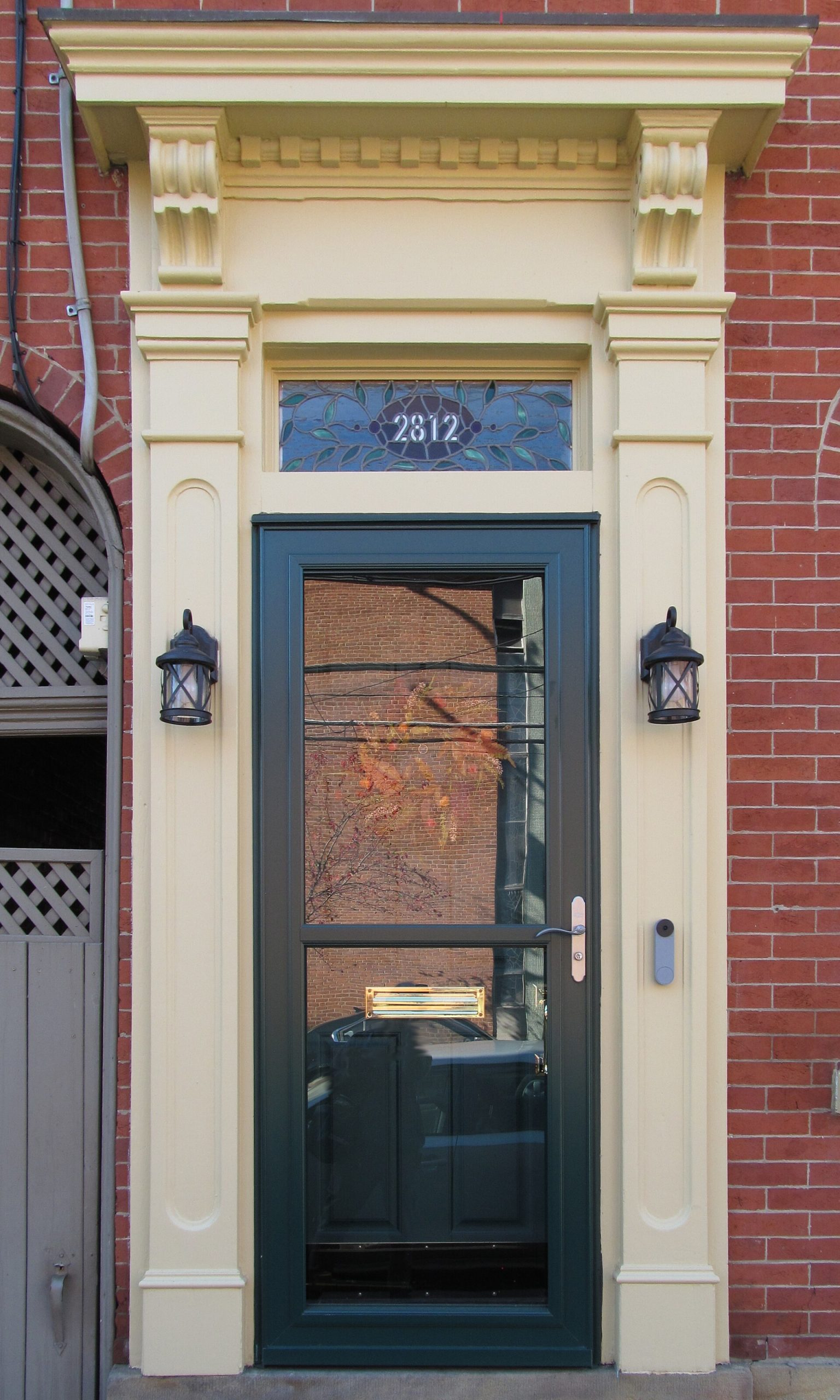
Because the two methods are answering different questions. Compass School asks “which direction does this door face, and what element belongs to that direction?” BTB asks “which life area of the bagua does the entrance sit in, once the map is laid over the entrance wall?” A south-facing door in a home whose entrance corresponds to a different bagua area under BTB can receive two unrelated colour recommendations, both presented online as “feng shui says.”
Neither method is more “authentic” in a way that settles the disagreement for a reader — they come from different historical lineages, discussed at what feng shui is and where it comes from. What matters practically is knowing which one a given piece of advice is using before applying it.
How is the bagua map actually placed over a door in BTB practice?
In the BTB method, the practitioner stands at the front door looking into the home and aligns the bagua’s bottom edge, which contains the “career” area, with the wall the door sits in. The map then extends across the floor plan from there. The full method, including where it departs from Compass School’s use of the bagua, is set out at how to orient a bagua map to a home and what the bagua is and how it’s actually used.
Why is the front door treated as significant at all?
Because in both schools the front door is described as the main channel through which chi (qi) — the tradition’s term for circulating energy, explained at what chi is and what energy flow means in feng shui — enters a home. It is sometimes called the “mouth of chi,” a term with its own history and reasoning, covered at what is the “mouth of chi,” and why the front door is called that. Colour is one of several things discussed in relation to this entry point; door alignment, what faces it, and what sits behind it are treated as at least as significant, and are covered in the broader Entrances & Flow archive.
Is there a practical, non-symbolic reason to consider door colour?
Only a modest one, and it has nothing to do with either school’s element theory. A front door is one of the most visible surfaces on a home’s exterior, and its condition and colour affect how legible the entrance is from the street — a plainly practical matter of way-finding and upkeep rather than energy flow. Beyond that, no practical rationale is offered by either tradition for a specific hue; the reasoning given is symbolic and directional, and it is honest to say so rather than dress it up as design logic.
Any local rules about what colour a front door may legally be — common in conservation areas, listed buildings, or under a homeowners’ association — sit entirely outside feng shui and outside what this site covers. Anyone renovating or repainting a door under such rules should confirm requirements with their local planning authority or property management body; that is a legal and administrative question, not a feng shui one.
What should someone actually do with this, practically?
Decide, before reading further colour advice, which school it is using — the difference between a direction-based answer and a bagua-based one is the whole story here. Beyond that:
- A Compass School approach requires knowing the door’s actual compass facing, not a guess from inside the house.
- A BTB approach requires placing the bagua map correctly against the entrance wall, a step readers can walk through directly rather than relying on secondhand colour lists.
- Either way, the claim is presented by its practitioners as traditional guidance about symbolic association, not a guarantee of any outcome — no school claims a colour choice changes health, income or luck, and this site does not present it that way either.
For the wider architecture of how these two systems diverge — not just on doors but on layout, direction and the bagua generally — the the Basics archive lays out the foundational distinctions this article draws on.
This article is descriptive, not design, legal or planning advice. Where a specific paint colour is genuinely restricted by a conservation order, lease or homeowners’ association rule, that is a matter for the relevant local authority or property body, not a feng shui judgment.
About this site. Feng Shui Pack explains what the feng shui tradition holds and which school holds it, from published sources. Feng shui is a tradition of placement and orientation, not a science: nothing here will bring you wealth, health, luck or a relationship, and we never claim otherwise. Where a suggestion has an ordinary practical reason — daylight, airflow, sightlines, less clutter — we say so; where it does not, we say that too. This is not medical, financial, legal or tenancy advice. If a decision matters, talk to a professional in that field.