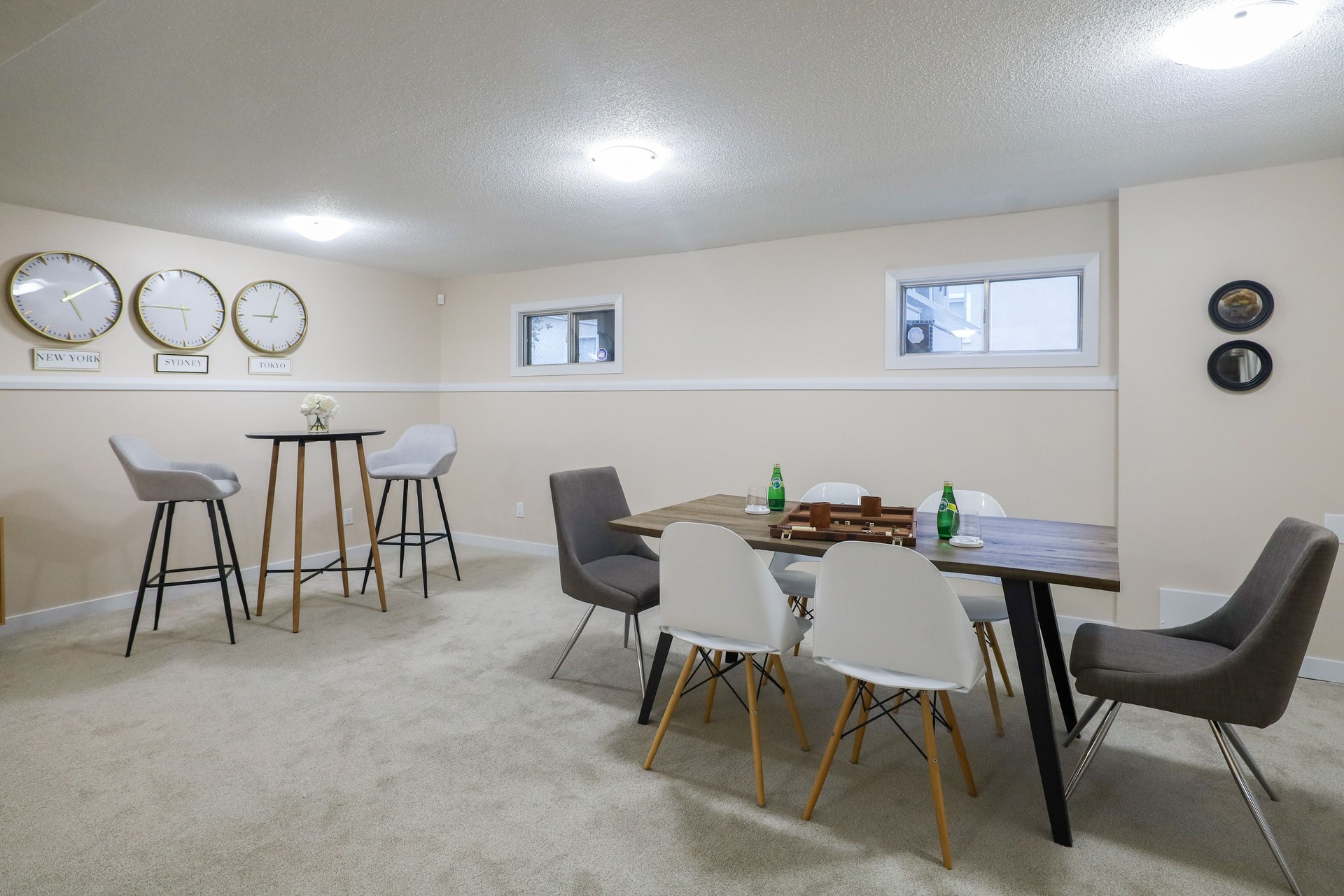
Feng shui does not treat clocks as neutral décor. Most published guidance — largely from the Western Black Sect (BTB) adaptation — holds that a clock’s position, sound and visibility affect a room’s chi (qi), and gives specific rules on which wall it belongs on, whether it should be visible from bed, and whether it should face a front door. Classical Compass School and Form School texts, which predate the mechanical clock, say far less.
What does feng shui actually say about clocks?
Clocks are a relatively recent object by the standard of classical feng shui texts. Compass School (Liqi) and Form School (Xingshi) sources, some centuries old, developed their reasoning around doors, mountains, water and the compass directions of a building — not around a manufactured timepiece. Most of what now circulates as “clock feng shui” comes from later, largely 20th-century popular writing, and heavily from the BTB adaptation, which places the bagua map from the front door and treats many household objects, clocks included, as symbolic carriers of chi.
That does not make the advice meaningless — schools of thought evolve, and BTB is a documented lineage with its own internal logic. It does mean a reader should know which body of ideas a given rule is coming from, rather than assume every clock rule is ancient or universal. For the broader distinction between these systems, see the Basics archive.
Should a clock face or hang opposite the front door?
BTB-derived guidance commonly advises against hanging a clock directly opposite, or clearly visible from, the front door. The reasoning given is symbolic: the front door is called the “mouth of chi” in this tradition, the point where energy is said to enter a home, and a clock positioned to face it is treated as watching that chi leave again on its way out.
Classical Compass School material does not contain an equivalent rule. Its attention to the front door is about the compass direction the door faces relative to the building’s construction period, not about which objects sit opposite it. For more on why the entrance carries this particular symbolic weight, see what the “mouth of chi” means and why the front door is called that.
Should a clock be visible from the bed, or hang above the headboard?
Several strands of popular guidance advise against a clock mounted directly above or behind a headboard, and against a large, loudly ticking clock facing the sleeper. Two separate arguments get bundled together here, and it is worth separating them.
The first is symbolic: an object hanging directly over the head of the bed is treated the same way a structural beam is treated in Form School reasoning — something pressing down on a sleeping person. Readers weighing that comparison can look at how the tradition handles the more literal case in the guide to beams and low ceilings.
The second is closer to ordinary sleep hygiene: a lit, ticking, or chiming clock within easy sight of the pillow makes it simple to check the time repeatedly during the night, which sleep researchers outside feng shui also flag as unhelpful for people who already struggle to fall back asleep. That is a practical observation, not a doctrinal one, and it is not medical advice — anyone with a genuine sleep problem should raise it with a physician or a sleep specialist rather than solve it through furniture placement.
Where a clock does need to sit in a bedroom, the same logic used for the bed itself is worth applying: a position that can be seen without straining, rather than one requiring the sleeper to twist toward a door or wall. That principle is explained more fully in the guide to the commanding position of a room.
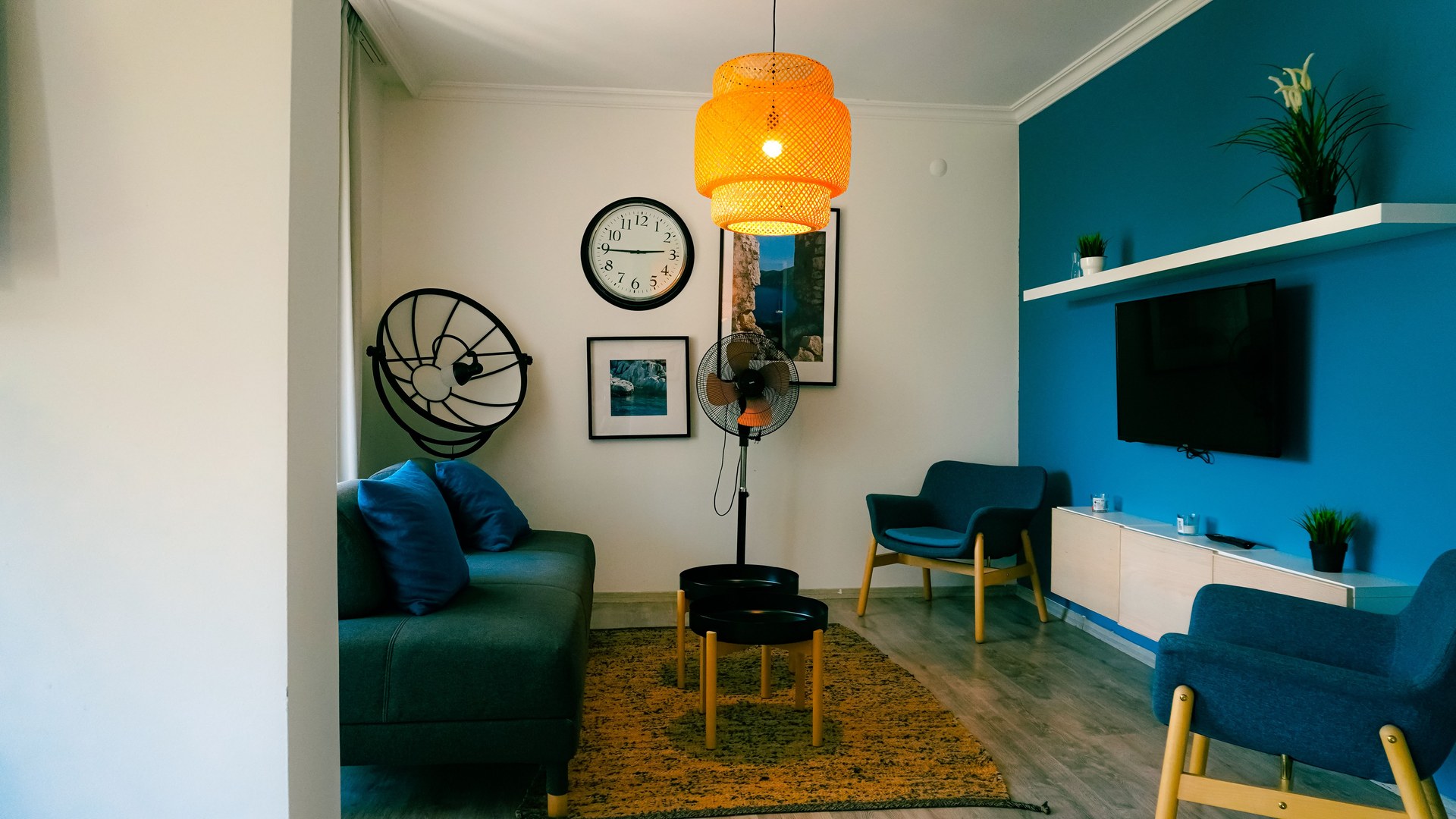
Does the sound of a ticking clock matter?
In the tradition, yes — sound is treated as part of a room’s chi in the same way sightlines are. A loudly ticking mechanical clock, a chiming clock, or a clock with an audible sweep is often discouraged in bedrooms, home offices and any space meant to feel settled, on the reasoning that constant small noise keeps a room subtly “active” rather than calm.
This is comparable to how the tradition treats other sound-producing objects. Wind chimes, for instance, are placed deliberately for their sound rather than avoided for it — the difference is intention. The comparison is worth reading in full at the guide to what wind chimes are said to do in feng shui. A ticking clock, by contrast, is usually framed as background noise nobody chose, which is why silent or quartz mechanisms are the more commonly recommended default in modern guides — a practical point as much as a symbolic one.
What about a clock in the kitchen or dining room?
Kitchens get less specific clock advice than bedrooms, but the reasoning that does appear follows the same pattern as elsewhere in the kitchen: visibility and clear sightlines matter more than symbolism. A clock positioned so it can be checked without turning away from a hot stove has an obvious practical basis, and it echoes the same logic behind cooking-position advice discussed in the guide to the kitchen work triangle and whether feng shui agrees with it.
Dining rooms attract less clock-specific commentary in either classical or BTB sources. Where writers do mention it, the concern is usually the generic one — a large, dominant clock face can make a small dining space feel watched or hurried, which is a design observation rather than a school-specific rule.
Is there a “correct” shape, material or wall for a clock?
Some Compass School–adjacent writing extends the five-element system to household objects, including clocks: a round clock is associated with metal, a square one with earth, and so on, with the suggestion that a clock’s shape can reinforce or clash with the element already dominant in a room’s compass direction. Other schools do not use this framework for clocks at all, and there is no single agreed answer to “which wall.” Where sources disagree this directly, it is more honest to say so than to present one school’s preference as settled fact.
What is more consistent across sources is a plainer point: a clock, like any wall-mounted object, should be secure, at a height that can be read without effort, and not positioned where it competes visually with a mirror or a window. Readers comparing clocks to other wall-mounted objects with their own placement rules may find it useful to look at the guide to what feng shui says about mirrors, since much of the reasoning about reflection, visibility and “doubling” a room overlaps with how clocks are discussed.
Is there a practical reason behind any of this?
Some of it, yes. A clock that cannot be read without turning your head, that ticks audibly in a room meant for rest, or that hangs directly over a sleeping head where it could fall, has an ordinary design or safety rationale independent of any tradition. Those points are worth taking on their own merits.
Other parts of the clock guidance — the objection to a clock facing the front door, the five-element shape correspondences — rest on symbolic reasoning specific to a particular school, and no practical mechanism is offered for them beyond the tradition itself. That is not a criticism of the tradition; it is simply the honest boundary between the two kinds of claim.
What does this mean for placing a clock at home?
A few points come up consistently enough, across different sources, to be worth summarising directly:
- Where sleep quality matters, keep clock faces out of direct sightline from the pillow and choose a silent mechanism — a sleep hygiene point as much as a feng shui one, and not a substitute for medical advice if sleep problems persist.
- If following BTB guidance specifically, avoid hanging a clock in the sightline directly opposite the front door.
- Mount any wall clock securely and at a readable height; this is a household safety matter, not a symbolic one.
- Treat five-element shape and material advice as one school’s optional framework, not a universal rule, if it is used at all.
None of this amounts to advice about structural work, electrical fittings, or wall fixings — for anything beyond a lightweight clock, consult a qualified tradesperson. For the wider set of ideas clocks sit alongside — what objects are said to do, and which school says so — the Objects & Materials archive covers the rest of the household inventory in the same attributed way.
About this site. Feng Shui Pack explains what the feng shui tradition holds and which school holds it, from published sources. Feng shui is a tradition of placement and orientation, not a science: nothing here will bring you wealth, health, luck or a relationship, and we never claim otherwise. Where a suggestion has an ordinary practical reason — daylight, airflow, sightlines, less clutter — we say so; where it does not, we say that too. This is not medical, financial, legal or tenancy advice. If a decision matters, talk to a professional in that field.