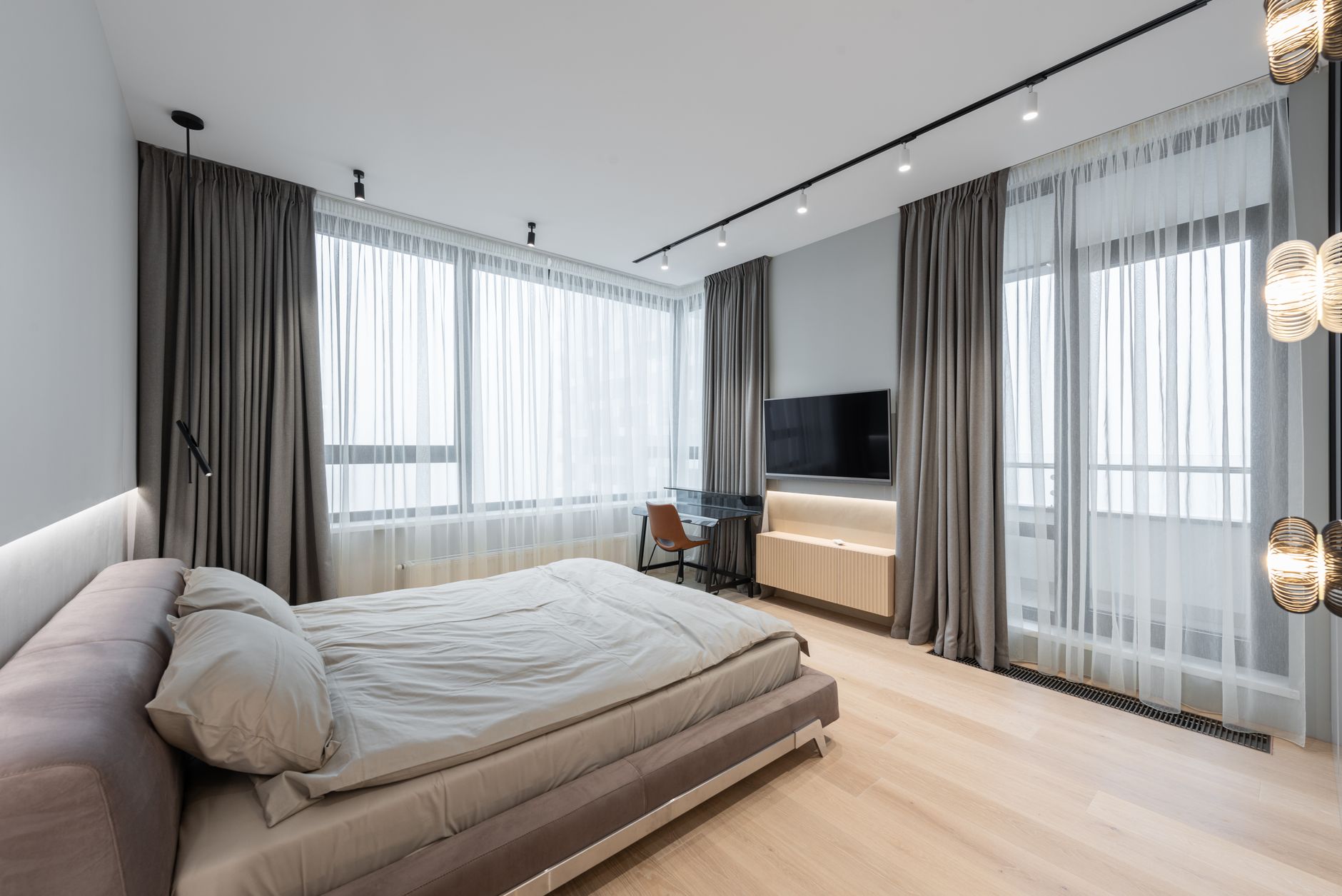
Feng shui treats a child’s bedroom largely the same way it treats any bedroom: the bed goes in the commanding position, clutter and objects under the bed are limited, and mirrors are kept away from where a sleeper’s reflection would be visible on waking. Most of the specific “for children” advice circulating online is a Western Black Sect (BTB) adaptation rather than a classical rule.
Which school’s rules are usually being quoted?
Almost all English-language advice aimed at parents comes from the BTB adaptation, a 20th-century Western school that maps a bagua grid from the front door and applies it room by room, including to a child’s bedroom, in terms of “growth,” “creativity” or “knowledge” corners. Classical Form School and Compass School texts do not single out children’s rooms as a distinct category with their own rule set; they treat bedroom placement, orientation and the building’s construction date as the relevant factors for any occupant. The difference matters because a claim that sounds like settled tradition — “the knowledge corner of a child’s room affects their schoolwork” — is one school’s overlay, not a consensus. Form School vs Compass School covers how the two older traditions actually diverge, and why feng shui rules contradict each other so often is worth reading before treating any single source as definitive.
Where should a child’s bed be placed?
In Form School reasoning, a bed is placed so the sleeper can see the door from the bed without lying directly in line with it — this is the commanding position, and it is not specific to children. The same logic given for adults applies: a sleeper who can see who enters a room is said to rest more easily than one who cannot, which is a plausible design rationale rather than a supernatural one. What Is the Commanding Position, and Why Does It Recur? sets out the reasoning in more detail, and Where Should the Bed Go in a Bedroom? covers the general placement rules that apply here too. A bed pushed under a window, or wedged between a wardrobe and a wall with no sightline to the door, is discouraged on the same practical-plus-traditional grounds as it would be in an adult bedroom.
Does the bed need to face the door?
Facing the door is not the same as being in line with it. Classical guidance distinguishes between a bed positioned so the door is visible at an angle, which is considered acceptable, and a bed placed directly opposite the door in a straight line, sometimes described in the tradition as exposing the sleeper to a direct rush of chi (qi), the flow of energy the tradition assigns to movement, light and air through a space. No measurement instrument detects this; it is a design principle expressed in traditional language. What Does Feng Shui Say About Bedroom Door Alignment? goes through the specific angles and exceptions in more depth.
What about a headboard for a child’s bed?
A solid headboard against a solid wall is the standard recommendation across schools, on the reasoning that a sleeper’s head should be supported and “backed” rather than left against a window, an open doorway, or a shared wall with a bathroom. For a child’s bed specifically there is no separate rule; the same headboard guidance that applies to any single or bunk bed applies here. How Should a Headboard Be Positioned? covers what counts as a supporting wall and what does not, including internal walls backing onto plumbing.
Are mirrors a problem in a child’s room?
The tradition most consistently raised is that a mirror should not face the foot of the bed, so that a sleeper does not see their own reflection on waking. This appears in both Form School and BTB material, though the explanations differ — some frame it as disturbing to a resting mind, others tie it to the doubling of chi (qi) in a bedroom, which classical texts associate with rest rather than activity. No practical rationale beyond the tradition itself is given for the second explanation. Wardrobe doors with integrated mirrors are the most common practical issue in a child’s room, since they are often close to the bed. What Does Feng Shui Say About Mirrors in a Bedroom? covers the reasoning and the usual workarounds, such as angling a mirror or covering it at night.
What should not go under a child’s bed?
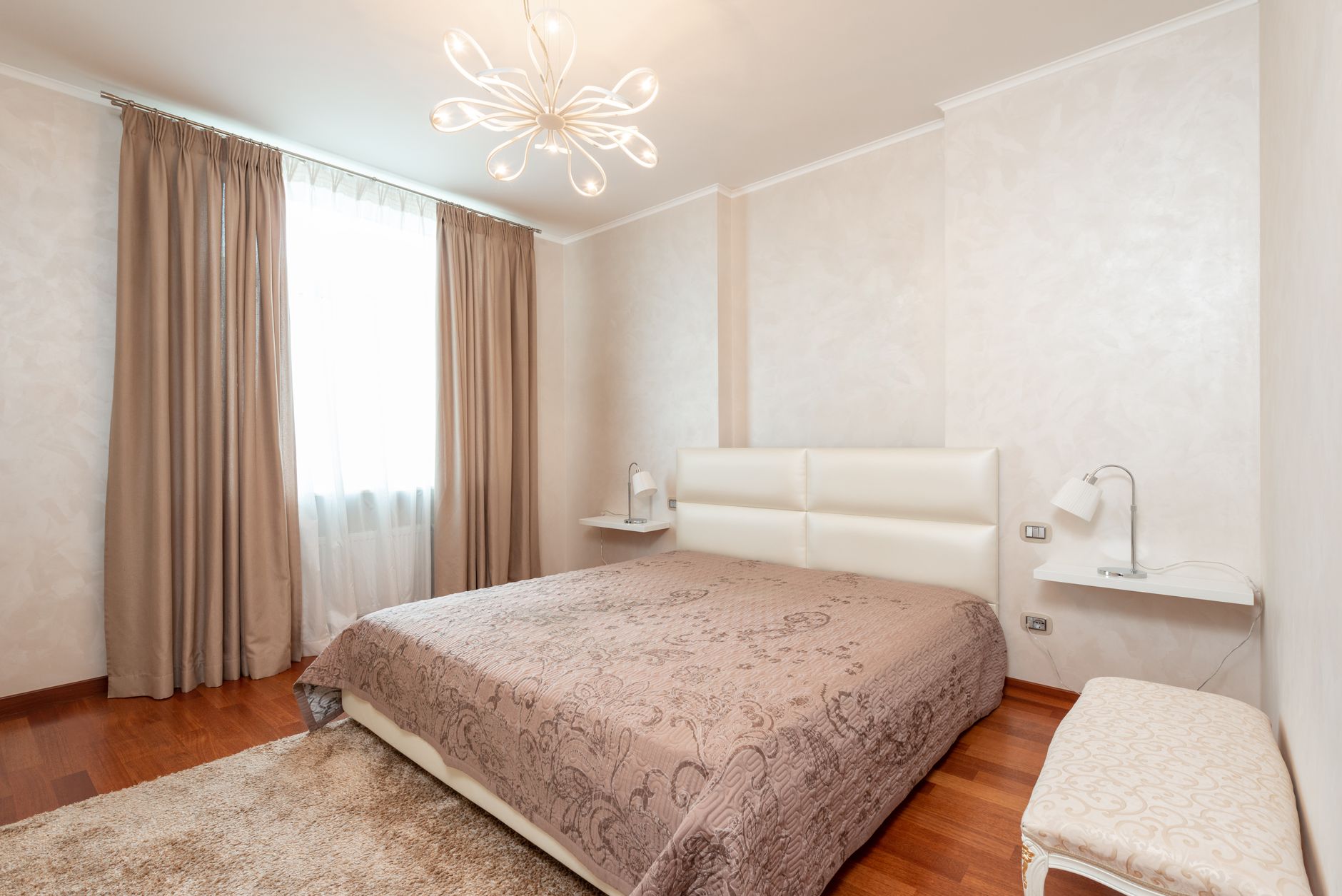
General bedroom guidance discourages storing items under the bed, particularly shoes, books, sharp objects or anything associated with unfinished work, on the reasoning that clutter beneath a sleeper disturbs rest. For a child’s room this is frequently the most-broken rule in practice, since under-bed storage boxes are a common and space-efficient solution in small rooms. The tradition’s stated concern is about disturbed sleep and unresolved “stuck” energy rather than anything else, and What Should Be Under the Bed in Feng Shui, and What Shouldn’t? lays out what is generally treated as acceptable — soft, seasonal items — against what is discouraged.
Do the five elements matter in a child’s room?
Some feng shui writers assign a dominant element to a child based on birth year within the Chinese sexagenary cycle, then recommend colours or materials in the room to match or balance it. This is a Compass School-adjacent extension rather than a universal rule, and it depends on a birth-year element calculation that is itself disputed between schools. Where the five elements are used more generally in a room — to describe balance between wood, fire, earth, metal and water through colour, material and shape — the logic is more consistent across traditions. What Are the Five Elements in Feng Shui, and How Are They Used? explains the framework, and the productive cycle and destructive cycle pages cover how the elements are said to interact.
What about a desk or study corner in a child’s room?
Where a child’s room includes a desk, the same commanding-position reasoning used for a home office is generally applied: a desk positioned so the child can see the door while working, with solid support behind them rather than a window or open doorway at their back. How Should a Study or Work Corner Be Arranged? covers desk placement in more detail, and Where Should a Home Office Desk Face? addresses orientation logic that applies equally to a child’s desk. BTB material sometimes assigns specific bagua directions to “knowledge” or “career,” but this is the same door-based grid discussed above, not a classical claim about a child’s schoolwork.
Is there evidence this affects a child’s sleep or behaviour?
No controlled evidence supports the claim that bed placement, mirror position or colour choice in a child’s room affects sleep quality, academic performance or behaviour. What is well supported by ordinary sleep science — a separate field, not feng shui — is that darkness, quiet, a consistent routine and a room free of screens near bedtime affect a child’s sleep. Where feng shui recommendations overlap with those factors, such as reducing clutter or avoiding a bed under a bright window, the practical effect may be real even if the traditional explanation is not testable. Is There Evidence for Feng Shui? covers what has and has not been studied. This article is not medical advice; a parent with genuine concerns about a child’s sleep should consult a doctor or paediatric sleep specialist rather than treat room layout as a substitute.
What’s the practical takeaway for a child’s room?
Most feng shui advice for a child’s bedroom is ordinary bedroom advice restated: a supported headboard, a bed that is not directly in line with the door, limited clutter underneath it, and a mirror kept away from the foot of the bed. The layer that is specifically “for children” — birth-year elements, BTB bagua zones for creativity or knowledge — is a smaller and more school-specific add-on, worth naming as such rather than presenting as settled tradition. Room by Room covers how these same principles are applied elsewhere in a home, and The Basics is a starting point for readers who want the underlying framework before applying any single rule.
About this site. Feng Shui Pack explains what the feng shui tradition holds and which school holds it, from published sources. Feng shui is a tradition of placement and orientation, not a science: nothing here will bring you wealth, health, luck or a relationship, and we never claim otherwise. Where a suggestion has an ordinary practical reason — daylight, airflow, sightlines, less clutter — we say so; where it does not, we say that too. This is not medical, financial, legal or tenancy advice. If a decision matters, talk to a professional in that field.