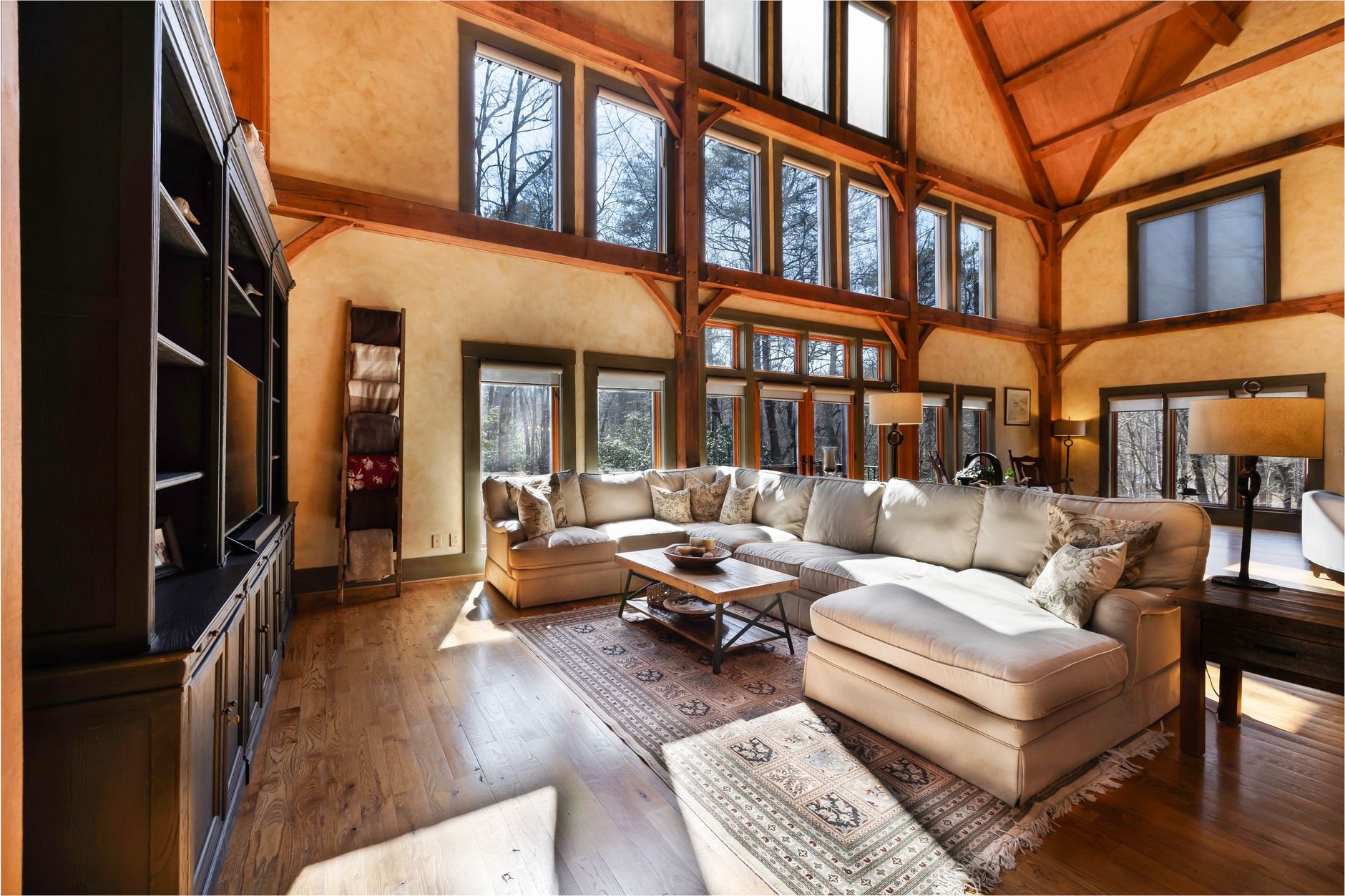
Photograph via Pexels.
Start with the room you are standing in
Feng shui, room by room — with the reasoning attached.
Most advice online is a list of rules with no source and no reason. This is the same material sorted by the room you actually want to change, with the school named and the practical logic separated out from the tradition.
The rooms
Pick a room
Each one covers what the tradition suggests, which school suggests it, and what the ordinary design reason is where there is one.
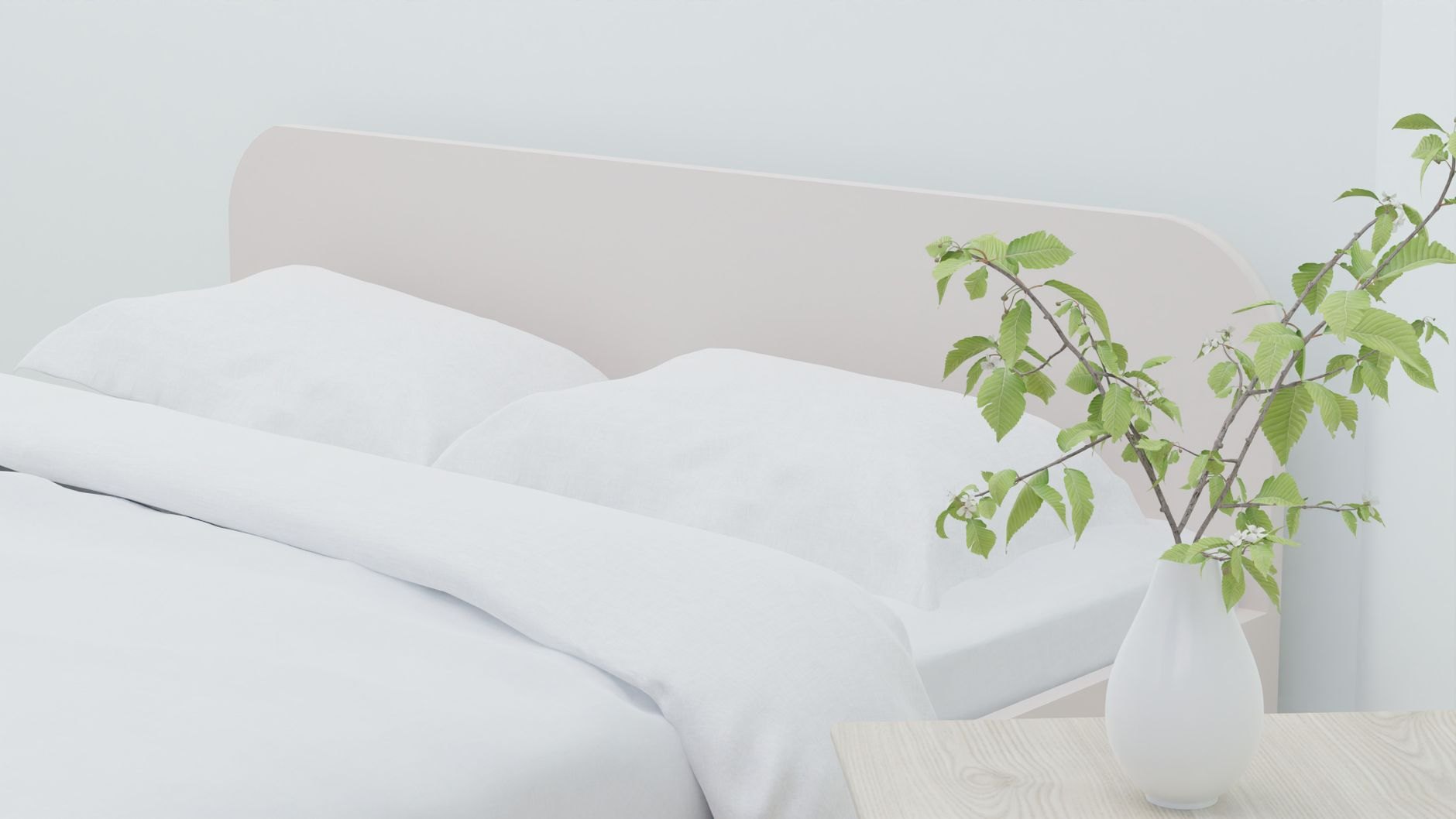 BedroomThe most written-about room in feng shui, and the one with the clearest practical core: where the bed sits relative to the door.Commanding position · mirrors · storage under the bed
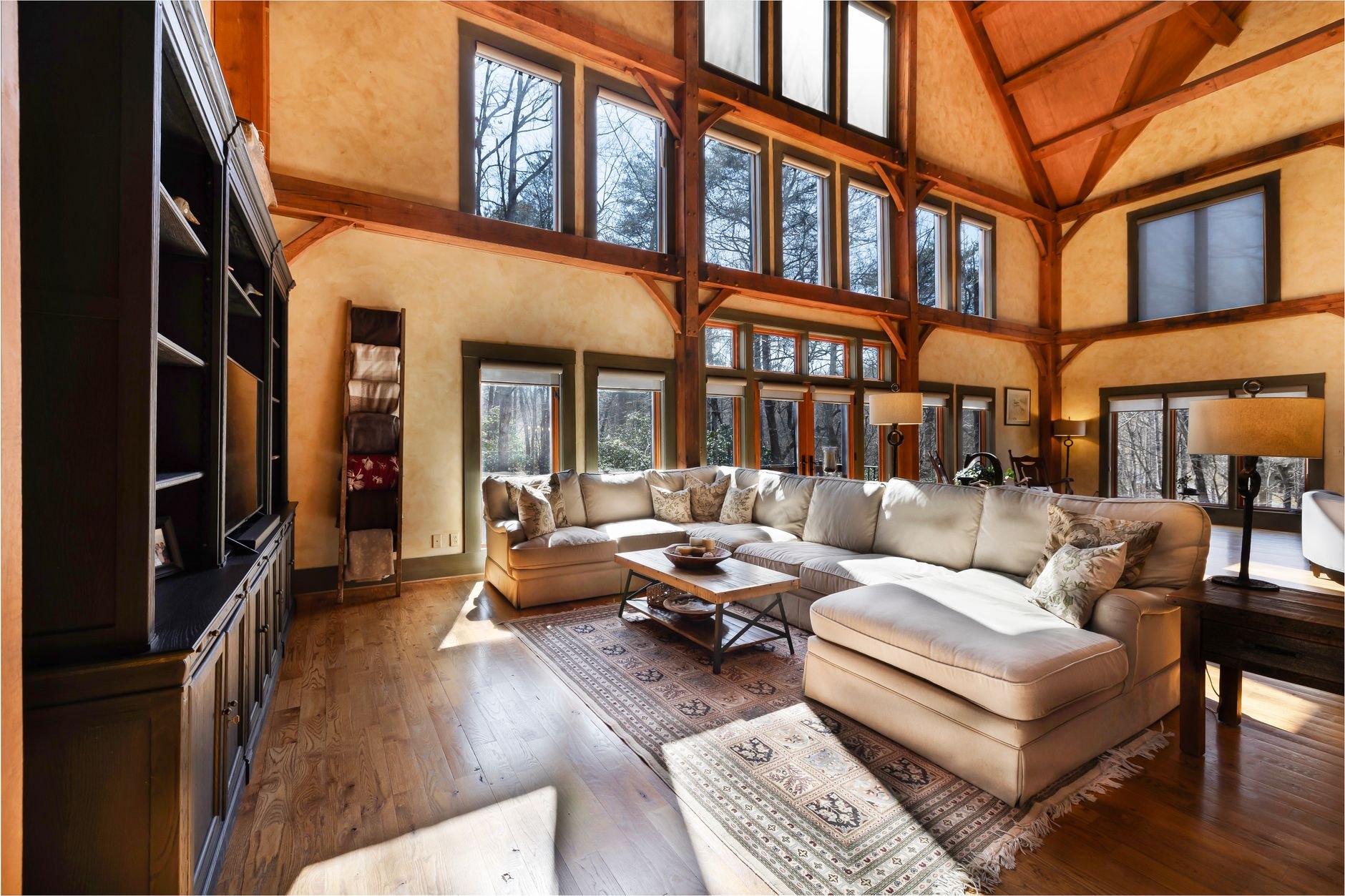 Living roomSeating that faces seating, a clear route through, and somewhere for the eye to rest.Sofa placement · the television · conversation distance
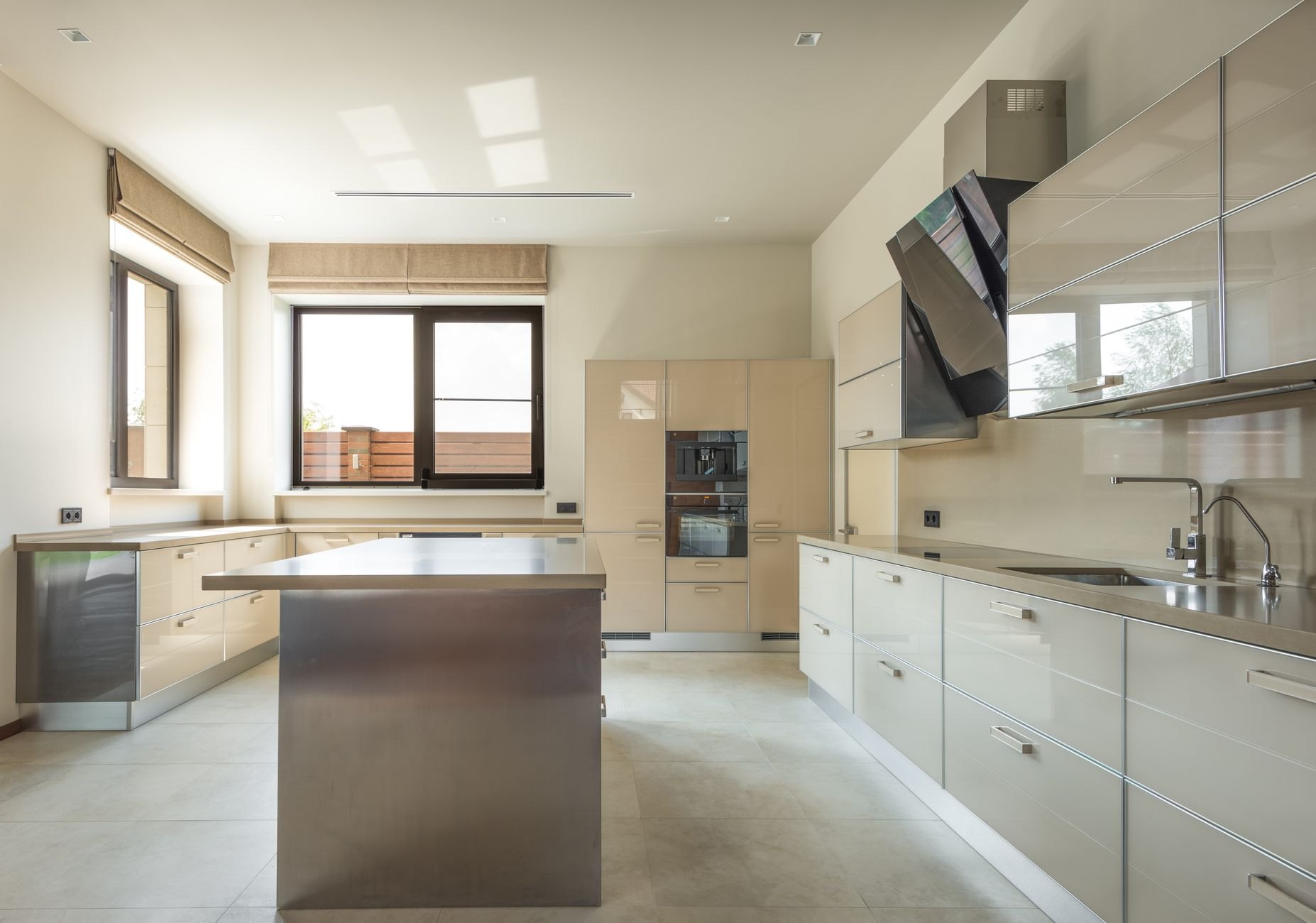 KitchenThe stove is the traditional focus. The modern reasoning is mostly about not standing with your back to the room.Stove position · the work triangle · clutter
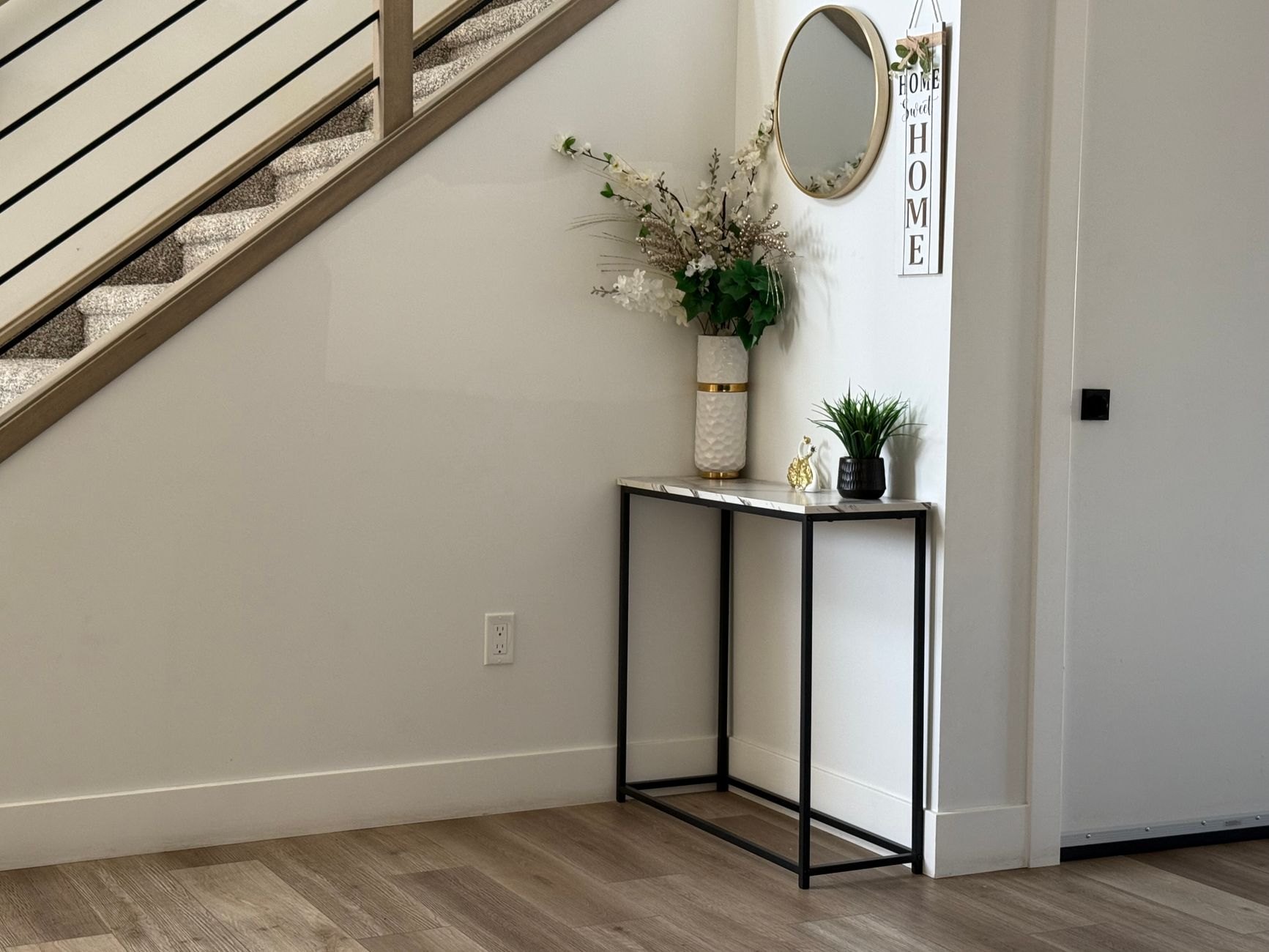 EntrywayCalled the mouth of chi, and the one place where the tradition and ordinary sense agree completely: do not obstruct it.The front door · mirrors · what to keep out
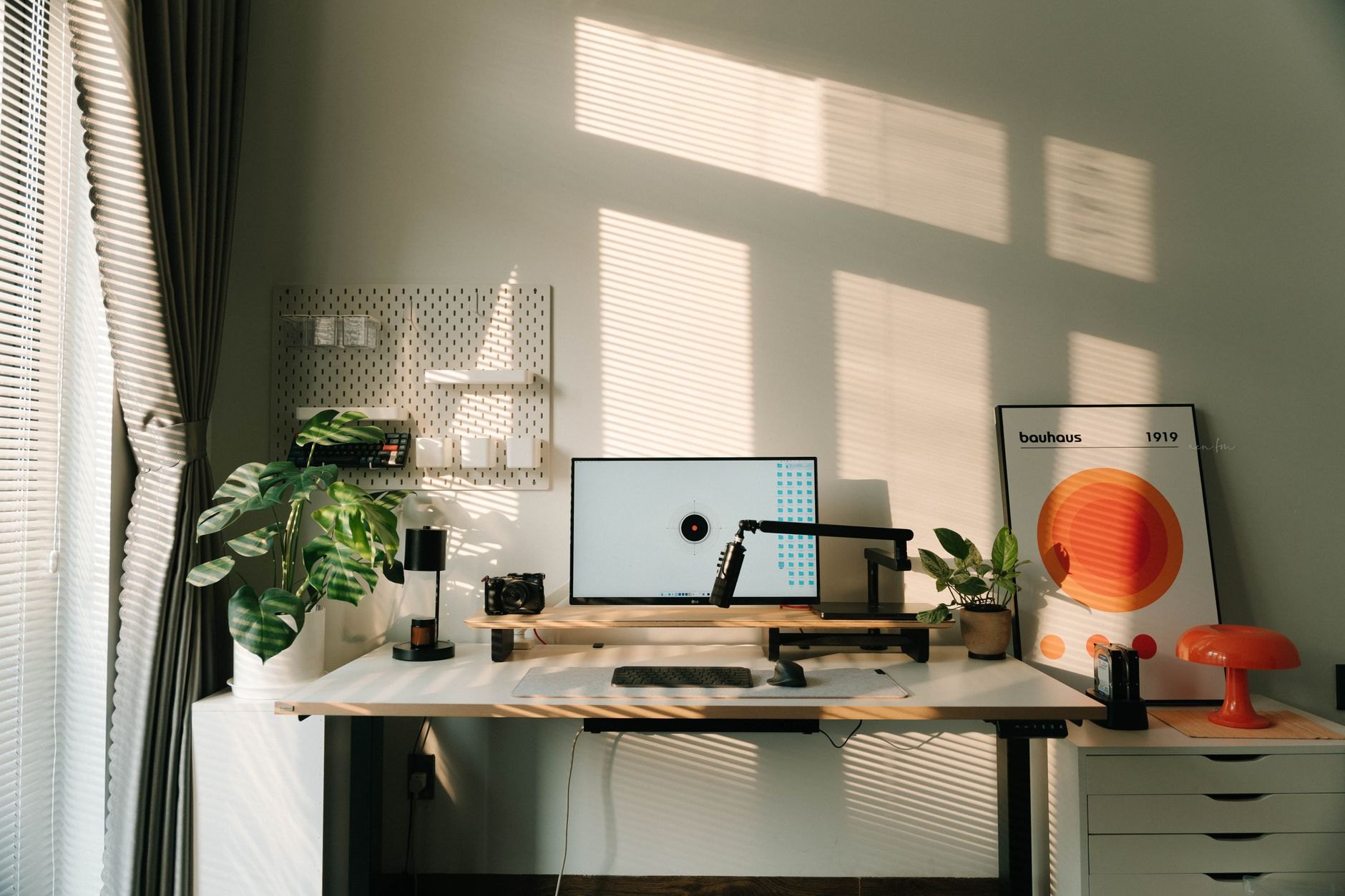 Home officeA desk you can see the door from, daylight that does not sit behind the screen, and a wall at your back.Desk direction · daylight · a bedroom office
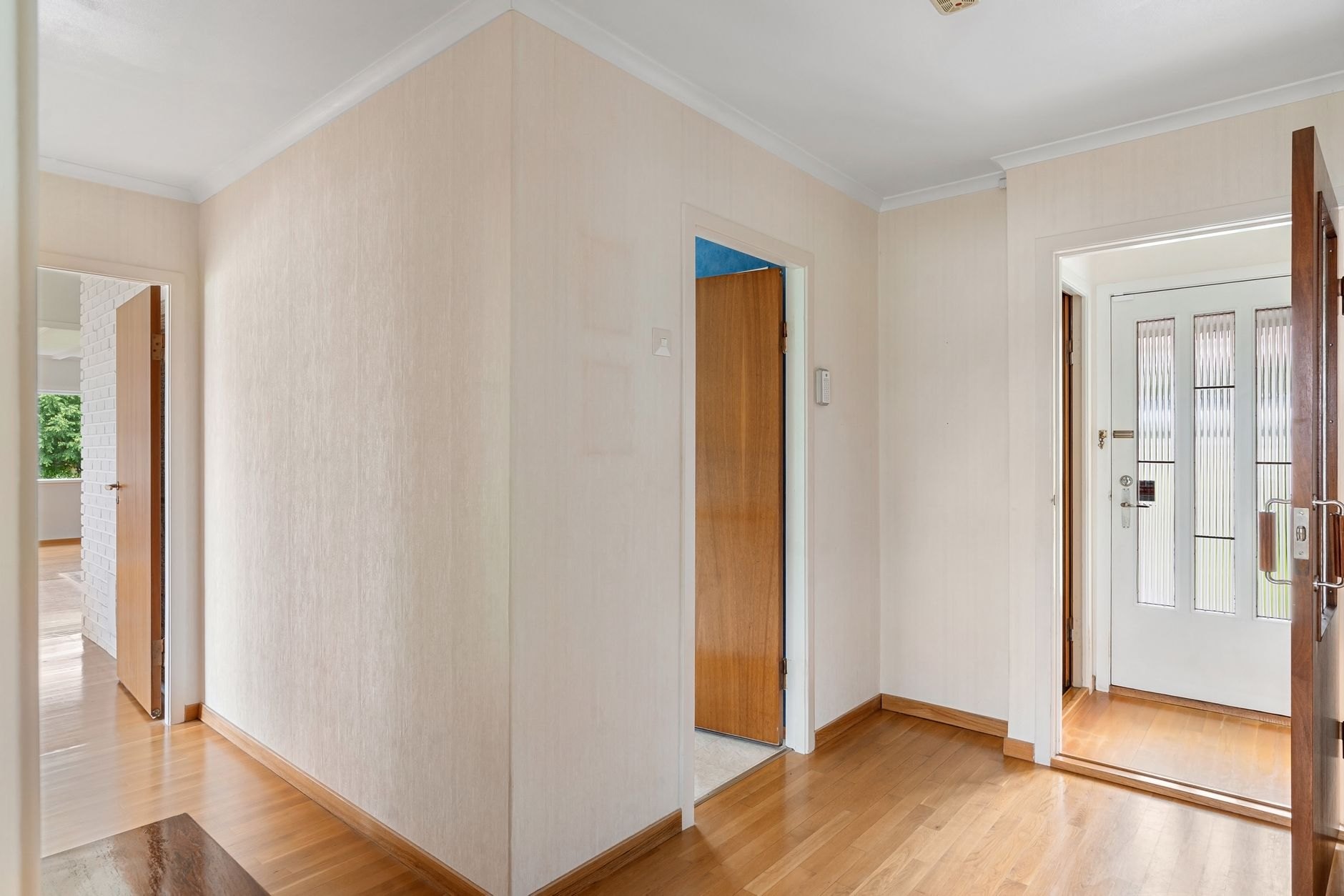 HallwayCirculation, not decoration. Most hallway advice is a restatement of “do not make it hard to walk through”.Narrow halls · doors in line · lighting
The split
The same question, answered twice
Feng shui is two things braided together: an inherited tradition, and ordinary design sense that happens to agree. They are never separated, which is exactly why the advice is impossible to judge — so here they always are.
Why both, every time
Print only the tradition and you have written another unsourced rule list. Print only the practical reason and you have quietly deleted the thing the reader came to ask about. Keeping both also makes the honest line easy to print — sometimes the right-hand column simply says no reason is given for this beyond the tradition itself, and that sentence is worth more than a paragraph of invented justification.
Everything, by subject
Where things live
 Buying & RentingWhat to look at, and what is fixable.
 Common MistakesIncluding the advice worth ignoring.
 Entrances & FlowHow a home is entered and moved through.
 Layout & FurnitureArrangement, spacing, and what to leave empty.
 Light & AirDaylight, ventilation, and why they dominate.
 Objects & MaterialsMirrors, plants, water, wood, metal.
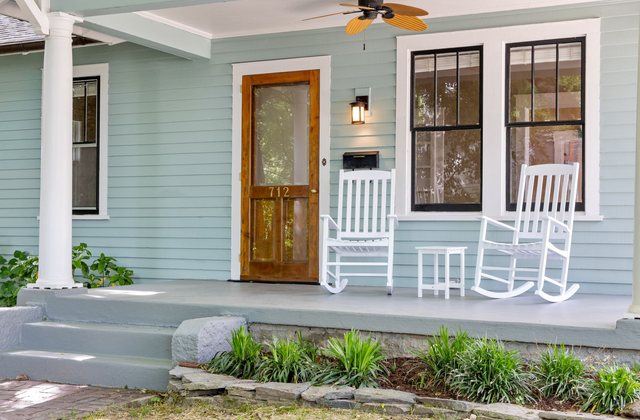 Outdoors & ApproachThe path, the door, the street.
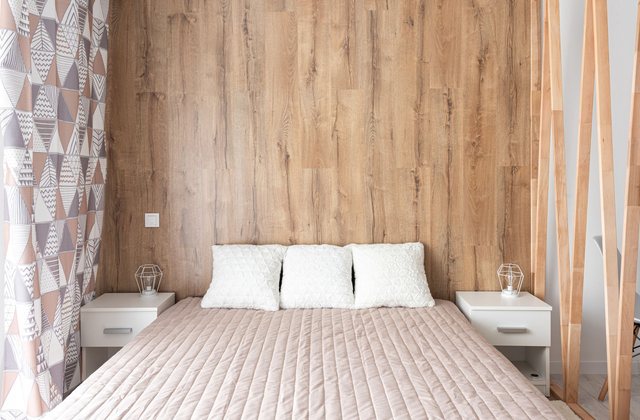 Room by RoomWhat each room is said to want, and why.
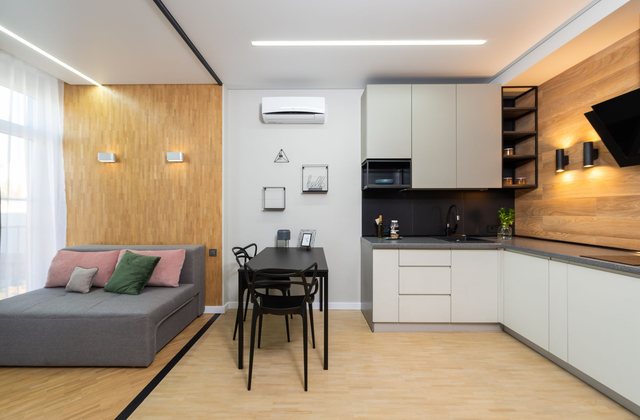 Small SpacesStudios, rentals, rooms you cannot change.
 The BasicsChi, the bagua, the five elements, the schools.
Recently
Newest writing
- 01What Does Feng Shui Say About a Corner Plot?Outdoors & Approach
- 02What Does Feng Shui Say About a Top-Floor Flat?Buying & Renting
- 03What Does Feng Shui Say About a Basement Flat?Outdoors & Approach
- 04Which Layout Problems Are Fixable in Feng Shui — and Which Aren’tLayout & Furniture
- 05What Does Feng Shui Say About a Home’s Previous Occupants?Buying & Renting
- 06What Feng Shui Says About a House That Has Stood EmptyThe Basics
- 07Home Viewing Feng Shui Checklist: What to Look AtBuying & Renting
- 08What Does Feng Shui Say About a Balcony or Terrace?Outdoors & Approach
What we can tell you — and what we will not
- Schools Which school a rule comes from that they agree — they do not
- Outcomes What the tradition holds that it brings wealth, health or luck
- Evidence Where it matches design sense that feng shui has been tested
- Objects What an object is said to be for that you should buy one
- Your home Principles for most rooms a reading of your specific home
- Advice Design, arrangement and light medical, financial or legal advice
Where this site stops
We explain a tradition. We are not practitioners, we have not seen your home, and we will not pretend that moving furniture changes your luck.
- No outcome promises, everNot wealth, health, luck, fertility or a relationship. This is the line the whole genre crosses, and it is the reason most feng shui writing cannot be trusted on anything else.
- We say which school a rule comes fromForm School, Compass School and the Western BTB adaptation contradict each other constantly, and most English-language advice is BTB without ever saying so.
- We separate the tradition from the reasonWhere a suggestion has an ordinary practical basis — daylight, sightlines, circulation — we give it. Where it does not, we say that instead of inventing one.
- We sell nothing in our own voiceNo lucky objects, no crystals, no cures. Where the tradition uses an object we explain what it is said to do and leave you to decide.